Factory Startup Cost Estimator (India 2026)
| Cost Component | Estimated Amount | Notes |
|---|
- Estimates are for Tier-2 city baseline as of mid-2026.
- Compliance & licensing costs (₹2-5 lakhs) not included above.
- Power substation setup (₹3-8 lakhs) may be additional.
- Consult local industrial policy experts for state-specific incentives.
- Bank term loan interest rates: 9-11% (2026).
Most people think starting a factory means buying a massive plant and hiring hundreds of workers. That’s a myth. In reality, the amount of money you need depends entirely on what you make, where you set up shop, and how automated your process is. A small unit producing packaged snacks might require less than ₹50 lakhs, while a mid-sized electronics assembly line could easily cross ₹5 crores. The gap is huge, but it’s not random-it follows specific patterns based on machinery, land, and compliance.
If you’re planning to enter the manufacturing business ideas space in India right now, understanding the financial baseline is your first step. This isn’t just about having cash in the bank; it’s about structuring your capital so you don’t run out of funds before your first sale. Let’s break down the real numbers for 2026, keeping in mind current inflation rates, government subsidies, and regional variations across India.
The Three Pillars of Factory Costing
When you look at total investment, it usually splits into three main buckets: Land & Infrastructure, Machinery & Equipment, and Working Capital. Confusing these leads to budget overruns. For instance, many entrepreneurs focus heavily on expensive machines but forget that working capital-the money needed to buy raw materials and pay salaries before customers pay you-often accounts for 30-40% of the total project cost.
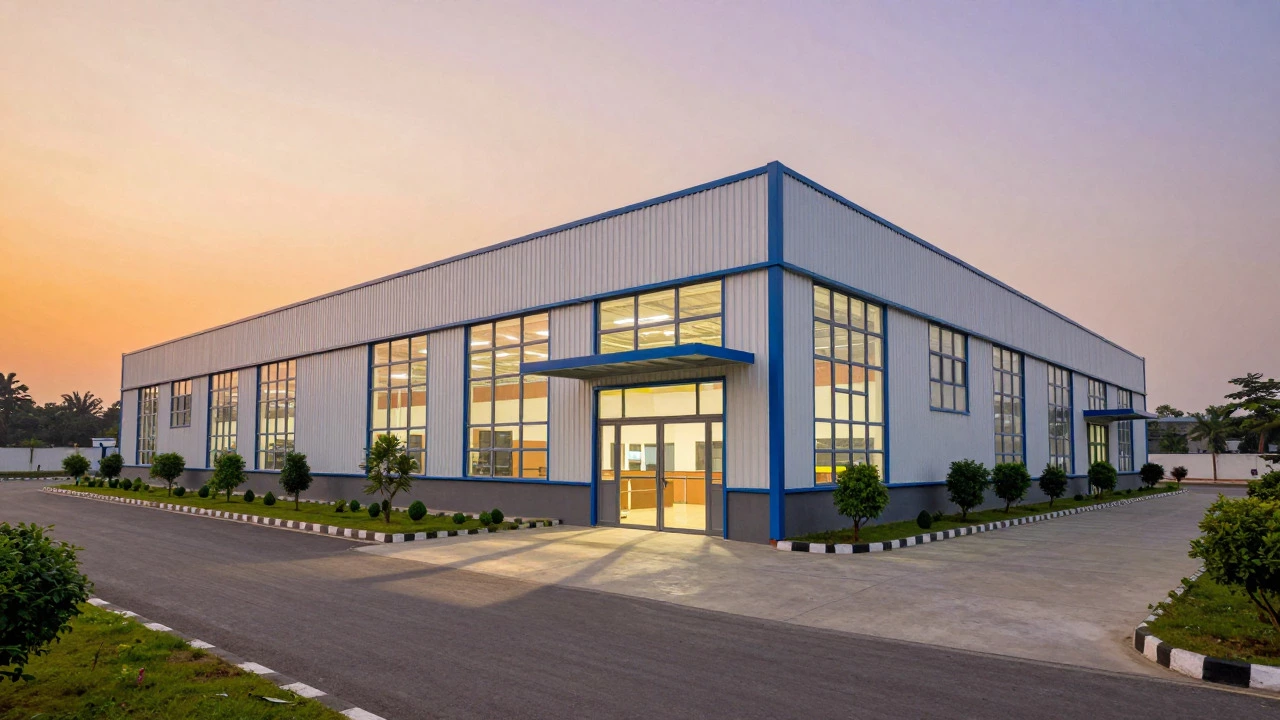
- Land & Building: This includes purchasing or leasing land, constructing the factory shed, and basic utilities like power connections and water supply. In Tier-1 cities like Bangalore or Mumbai, land costs are significantly higher than in Tier-2 or Tier-3 industrial zones.
- Machinery & Tools: The core production equipment. Prices vary wildly depending on whether you buy new from an OEM (Original Equipment Manufacturer) or used/refurbished units.
- Working Capital: Raw material inventory, employee salaries for the first 3-6 months, marketing, and miscellaneous operational expenses.
Cost Breakdown by Industry Type
To give you concrete figures, let’s look at three common sectors with different capital intensities. These estimates assume a standard small-to-medium scale operation in a Tier-2 Indian city as of mid-2026.
| Industry Sector | Land & Infrastructure | Machinery & Setup | Working Capital | Total Estimated Investment |
|---|---|---|---|---|
| Packaged Food (e.g., Biscuits, Snacks) | ₹15 - 25 Lakhs | ₹20 - 40 Lakhs | ₹10 - 15 Lakhs | ₹45 - 80 Lakhs |
| Plastic Products (e.g., Injection Molding) | ₹20 - 35 Lakhs | ₹30 - 60 Lakhs | ₹15 - 20 Lakhs | ₹65 - 1.15 Crores |
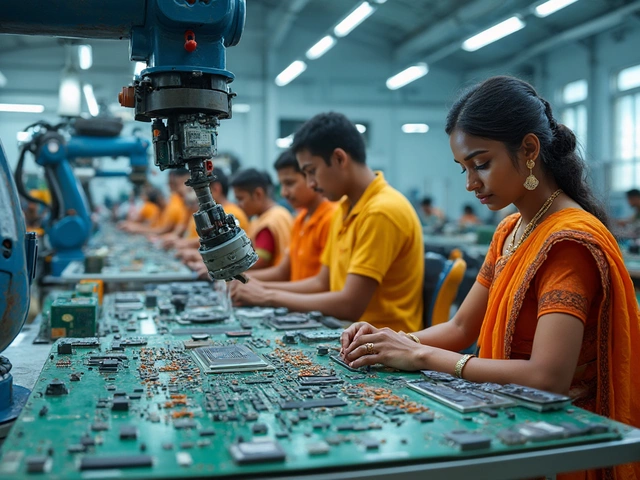
| Electronics Assembly (e.g., Cables, Components) | ₹25 - 40 Lakhs | ₹40 - 80 Lakhs | ₹20 - 30 Lakhs | ₹85 Lakhs - 1.5 Crores |
Notice how the machinery cost fluctuates more than the land cost. This is because technology upgrades happen faster in manufacturing than real estate prices change. If you choose a highly automated line, your upfront machine cost jumps, but your long-term labor costs drop. If you go manual, your initial outlay is lower, but you’ll need more staff, increasing your recurring monthly burn rate.
Hidden Costs That Blow Up Budgets
Beyond the visible numbers, there are several "silent killers" of startup budgets. These are often overlooked in initial projections but become critical once operations begin.
- Compliance & Licensing: Getting a Udyam registration, GST, Pollution Control Board clearance, and Fire Safety NOC can take 3-6 months. Legal fees and consultant charges can range from ₹2 to ₹5 lakhs depending on complexity.
- Power Substation Setup: Industrial power connections require heavy-duty transformers. Installing a 100 KVA connection alone can cost between ₹3 to ₹8 lakhs, plus annual demand charges.
- Quality Testing & Certification: If you’re making food or medical devices, FSSAI or ISO certifications are mandatory. Lab testing for product safety adds another ₹1 to ₹3 lakhs per year.
- Logistics Buffer: Your first few shipments will likely have errors. Keep a 10% buffer in working capital for return logistics and packaging waste during the ramp-up phase.
Leveraging Government Schemes to Reduce Capital Needs
You don’t have to fund 100% of this yourself. The Indian government offers substantial support through schemes like the PMEGP (Prime Minister’s Employment Generation Programme) and the MSME credit guarantee scheme. Under PMEGP, eligible borrowers can get up to 75% subsidy on project cost for special categories and 25% for general category beneficiaries, capped at ₹50 lakhs for rural areas and ₹15 lakhs for urban centers.
Additionally, state-specific industrial policies often provide additional incentives. For example, Karnataka and Tamil Nadu offer electricity duty rebates and stamp duty exemptions for new manufacturing units. If you’re setting up in a Special Economic Zone (SEZ), you might qualify for tax holidays for the first five years. Always consult a local industrial policy expert before finalizing your location, as these benefits can reduce your effective startup cost by 10-15%.
Location Strategy: Tier-1 vs. Tier-2 Cities
Your choice of location impacts both your fixed and variable costs. Setting up in Bangalore or Pune gives you access to skilled labor and better logistics networks, but land and rent are premium. A factory plot in Hoskote (near Bangalore) might cost ₹1.5 crore per acre, whereas a similar plot in a Tier-2 city like Indore or Coimbatore could be ₹60-80 lakhs per acre.
However, labor costs also differ. Average skilled technician salaries in Tier-1 cities are 20-30% higher than in Tier-2 hubs. If your product requires high-end engineering talent, staying in a metro area makes sense. But if you’re doing commodity manufacturing like plastic containers or basic textiles, moving to a Tier-2 or Tier-3 industrial park can save you significant overheads without compromising output quality.

Financing Your Factory: Debt vs. Equity
How you fund the factory matters as much as how much you spend. Most small manufacturers use a mix of personal savings, term loans from banks, and sometimes venture debt. Bank term loans for machinery typically carry interest rates between 9-11% in 2026, with repayment tenures of 5-7 years.
A good rule of thumb: keep your debt service coverage ratio (DSCR) above 1.5x. This means your net operating income should be 1.5 times higher than your annual loan repayments. If your projected sales don’t meet this threshold, consider reducing your machinery automation level or delaying expansion plans until cash flow stabilizes.
Frequently Asked Questions
What is the minimum capital required to start a micro-unit in India?
For a very small-scale unit, such as a home-based packaging or light assembly unit, you can start with as little as ₹10-15 lakhs. However, to establish a formal factory with dedicated infrastructure, expect to invest at least ₹40-50 lakhs.
Is it cheaper to buy used machinery for a new factory?
Yes, buying refurbished machinery can reduce capital expenditure by 30-50%. However, factor in higher maintenance costs and potential downtime. It’s advisable to hire a technical consultant to inspect used equipment before purchase to avoid costly repairs later.
How long does it take to recover the initial investment?
The payback period varies by industry. High-margin sectors like specialized electronics may see returns in 2-3 years, while low-margin commodity manufacturing like plastics might take 4-6 years. Accurate margin analysis is crucial before committing funds.
Do I need a separate account for working capital?
Yes, maintaining a separate working capital account helps track cash flow effectively. Banks often offer overdraft facilities specifically for working capital needs, which can be drawn upon as needed rather than taking a lump-sum loan upfront.
Which sector has the lowest entry barrier in 2026?
Packaged foods and basic consumer goods generally have the lowest entry barriers due to lower machinery costs and faster market turnover. Electronics and heavy machinery require higher precision and thus higher initial investment.