Which is the Future Metal of the World? Steel vs. Aluminum vs. Titanium
Discover which metal dominates the future: steel, aluminum, or titanium. Learn how green steel, lightweight alloys, and copper shape global manufacturing.
View MoreWhen you think about the things that keep our world moving—bridges, cars, skyscrapers—steel is the invisible force behind them. It’s not just a raw material; it’s a whole industry that shapes economies, jobs, and daily life. On this page you’ll find quick, practical info about where steel is made, who buys it, and why the market matters today.
First off, steel’s strength and versatility make it the go‑to metal for pretty much every major sector. Construction crews rely on it for foundations, architects love it for its sleek look, and car makers count on it for safety and durability. This broad demand fuels a global supply chain that stretches from massive U.S. plants in cities like Pittsburgh—the historic steel capital—to modern mills in India and China.
Demand isn’t static. The biggest customers today are still the traditional heavy users—construction, automotive, and machinery manufacturers—but new players are popping up. Renewable energy projects need steel for wind‑turbine towers, and tech companies are buying steel for data‑center frames. Understanding who’s buying helps you spot trends before they become headlines.
We’ve gathered a handful of articles that break down the most asked‑about topics in steel manufacturing. If you’re curious about the city that earned the title “Steel Capital of the USA,” check out the piece on Pittsburgh’s rise and its modern twist. Want to know which industries are driving the biggest demand? There’s a guide that maps out construction, automotive, and even some surprising sectors that eat up more steel than you’d expect.
For those interested in the supply side, we have a deep‑dive on the biggest steel producers worldwide, looking at capacity, market share, and what makes a company the global leader. There’s also an article that explains how big automakers like Ford source their steel, highlighting the balance between cost, quality, and sustainability.
Lastly, if you’re a numbers person, the global steel consumption overview shows which countries use the most steel and why that matters for trade and policy. Knowing which markets are expanding can help you predict where new plants or upgrades might appear.
All these stories are written in plain language, so you don’t need a degree in metallurgy to get the gist. Each piece gives you real examples, clear data, and a quick takeaway you can apply—whether you’re a student, a small‑business owner, or just a curious reader.
In short, steel manufacturing isn’t just about melting iron in a furnace. It’s a network of towns, factories, and buyers that together power the modern world. Use this page as a launch pad to explore the industry’s past, understand its present, and see where it might head next.
Discover which metal dominates the future: steel, aluminum, or titanium. Learn how green steel, lightweight alloys, and copper shape global manufacturing.
View More
Explore the biggest steel mills in the USA, comparing the power of integrated blast furnaces versus the efficiency of Nucor's mini-mills.
View More
Henry Bessemer revolutionized steel production with the Bessemer process, turning steel from an expensive luxury into an affordable industrial material that built modern infrastructure. His innovation enabled railways, skyscrapers, and ships to be made of steel, transforming global industry.
View More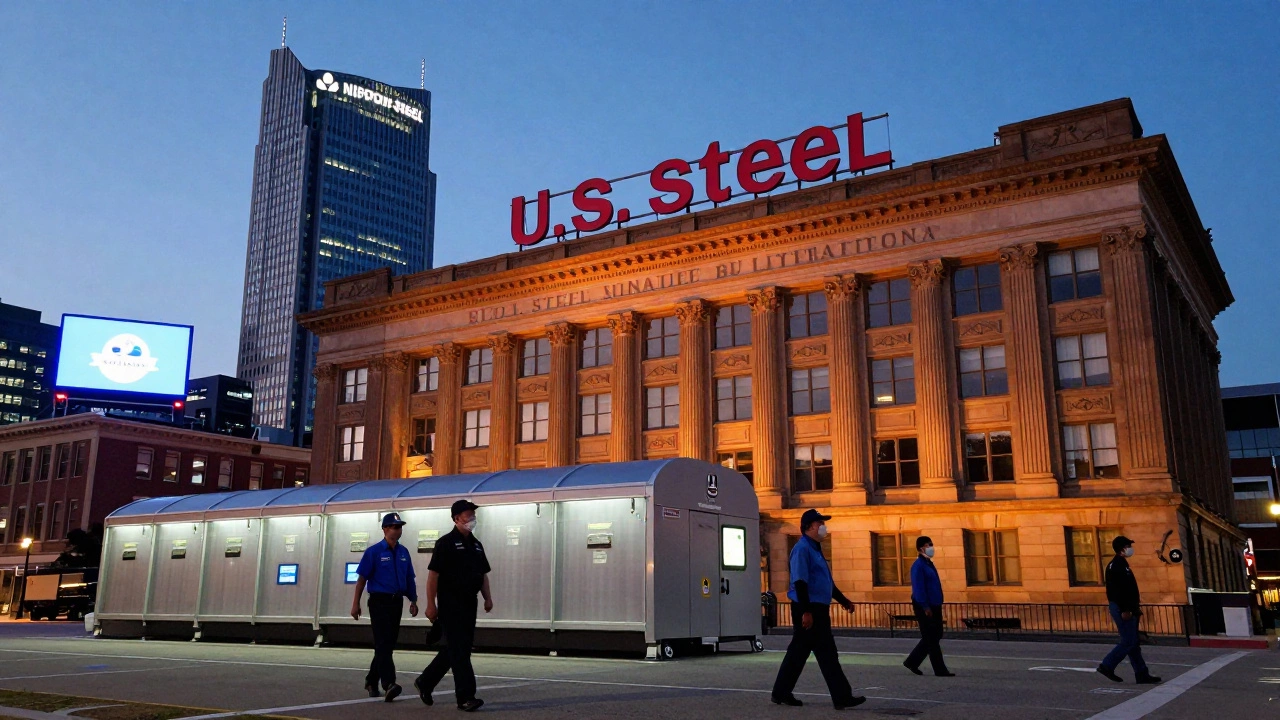
As of 2026, U.S. Steel is owned by Japan's Nippon Steel Corporation after a $14.9 billion acquisition in 2024. The brand still operates in the U.S., with plants active and workers retained. This shift marks the end of American ownership but not American production.
View More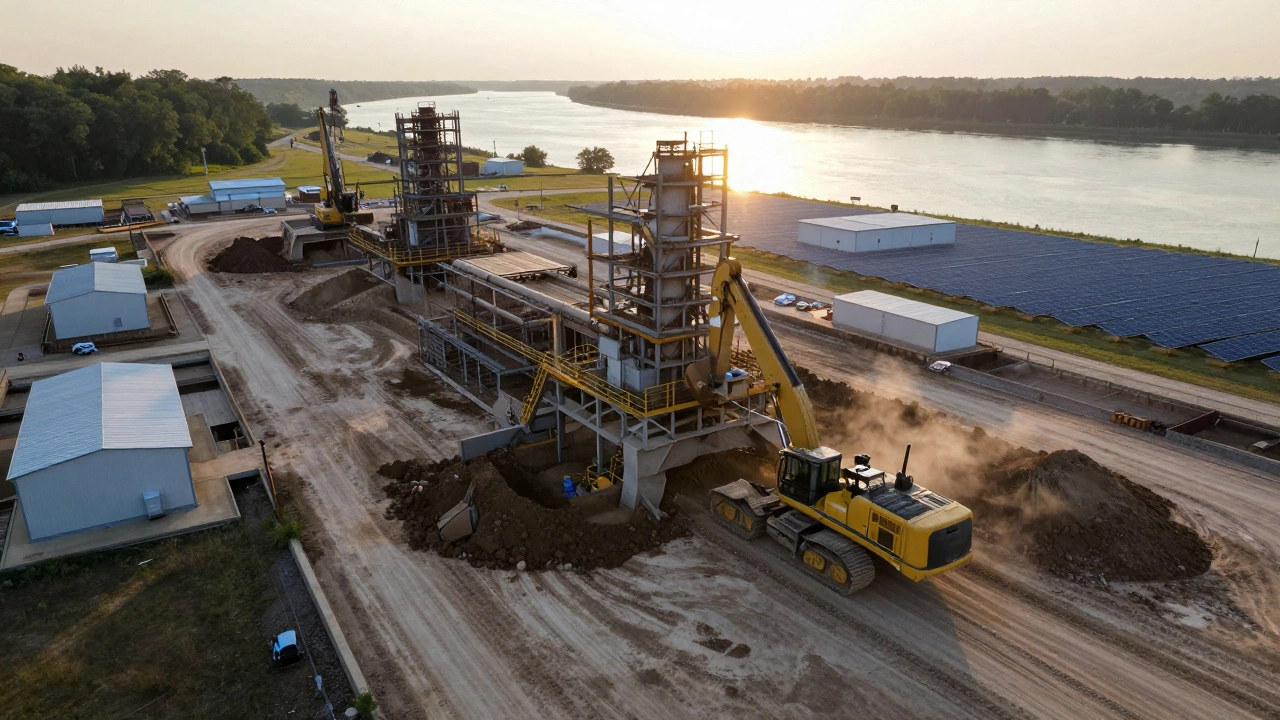
U.S. Steel is building a $3.5 billion clean steel plant in Marshall County, Alabama, set to open in 2027. It will produce high-strength steel for EVs and wind turbines, create 2,500 jobs, and cut emissions by 75%.
View More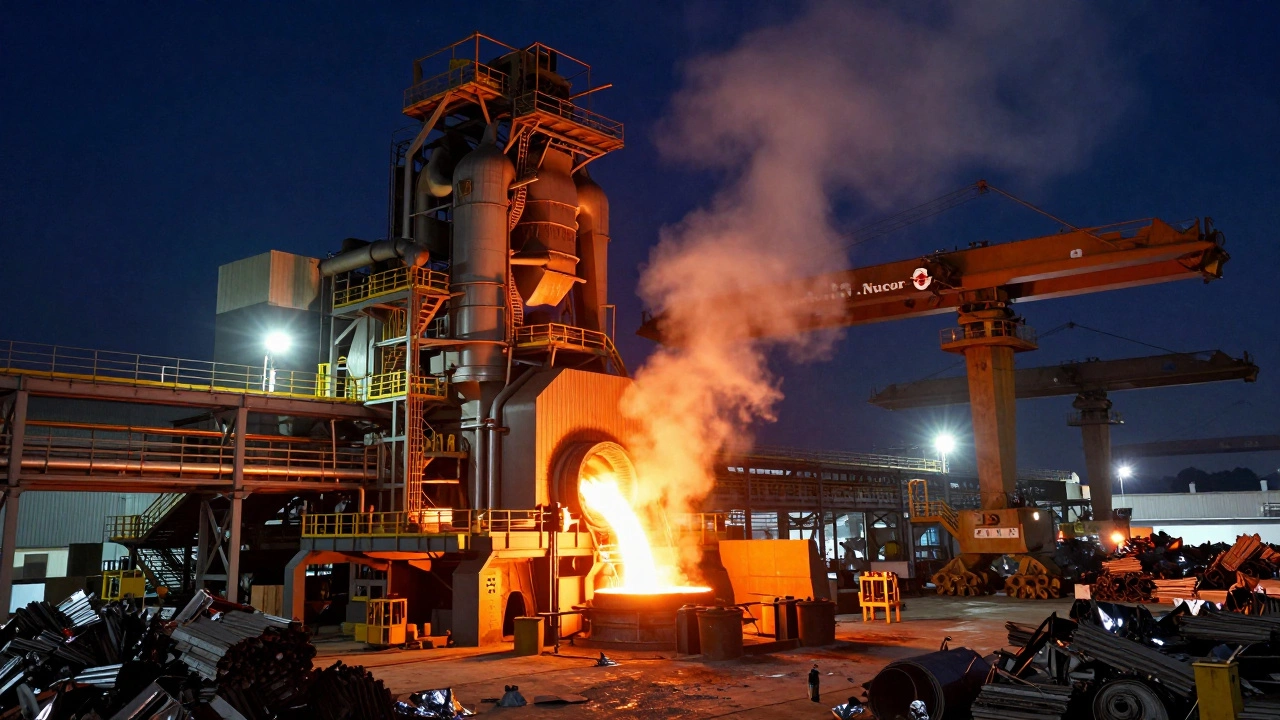
Nucor is America's biggest steel company by production volume, operating 25+ mini-mills that recycle scrap into steel. It outproduces rivals like ArcelorMittal USA and leads in efficiency, sustainability, and U.S. ownership.
View More
Nippon Steel is trying to buy U.S. Steel for $30 billion, sparking political backlash over jobs, national security, and industrial control. Here's what's at stake and what happens next.
View More
U.S. Steel operates seven major plants across the U.S., from Gary Works in Indiana to Big River Steel in Arkansas. Learn where they are, what they produce, and how they power American industry.
View More
The largest steel mill in the US is ArcelorMittal's East Chicago facility in Indiana, producing over 4 million tons of steel annually. It supplies automotive, construction, and renewable energy sectors with high-volume, high-quality steel.
View More
Nucor Corporation is the largest steel fabricator in the US, producing over 25 million tons of steel annually across 170+ fabrication facilities. It dominates construction, infrastructure, and energy markets with efficient electric arc furnace technology and unmatched delivery reliability.
View More
Explore why Chinese steel costs less than US steel, covering labor, energy, subsidies, tariffs, and market dynamics that shape global steel pricing.
View More
Discover how Pittsburgh became the steel capital of the world, changing America's landscape and fueling its industries with massive steel production.
View More