Manufacturing Economic Impact Simulator
Input Parameters
Adjust the slider to simulate the impact of a new manufacturing plant.
Projected Economic Impact
Total Jobs Created
0
Includes direct & indirect roles
GDP Contribution
$0M
Estimated annual value add
Impact Breakdown
- Direct Factory Jobs: 0
- Indirect Support Jobs (Logistics, Services): 0
- Export Potential: $0M
Based on standard economic multipliers where every $1M invested generates approx. 50 direct jobs and 150 indirect jobs, with a 1.5x GDP multiplier over time.
Look around you. The phone in your pocket, the car parked outside, the clothes on your back-they all started as raw materials that were transformed into something useful. That transformation is manufacturing. But what does manufacturing do for the economy beyond just making things? It is the engine that drives national wealth, creates jobs, and builds resilience against global shocks.
In 2026, as economies recover from years of supply chain disruptions, the role of manufacturing has shifted from being a background utility to a central pillar of strategic importance. Governments worldwide are pouring money into industrial policy, recognizing that a strong manufacturing base is not optional-it is essential for survival and prosperity. For countries like India, this shift is particularly critical as they aim to become global production hubs.
The Multiplier Effect: Why One Factory Creates Many Jobs
When we talk about what manufacturing does for the economy, the most immediate answer is employment. But it is not just about the workers on the assembly line. There is a concept called the multiplier effect. For every direct job created in manufacturing, several indirect jobs are created in supporting sectors.
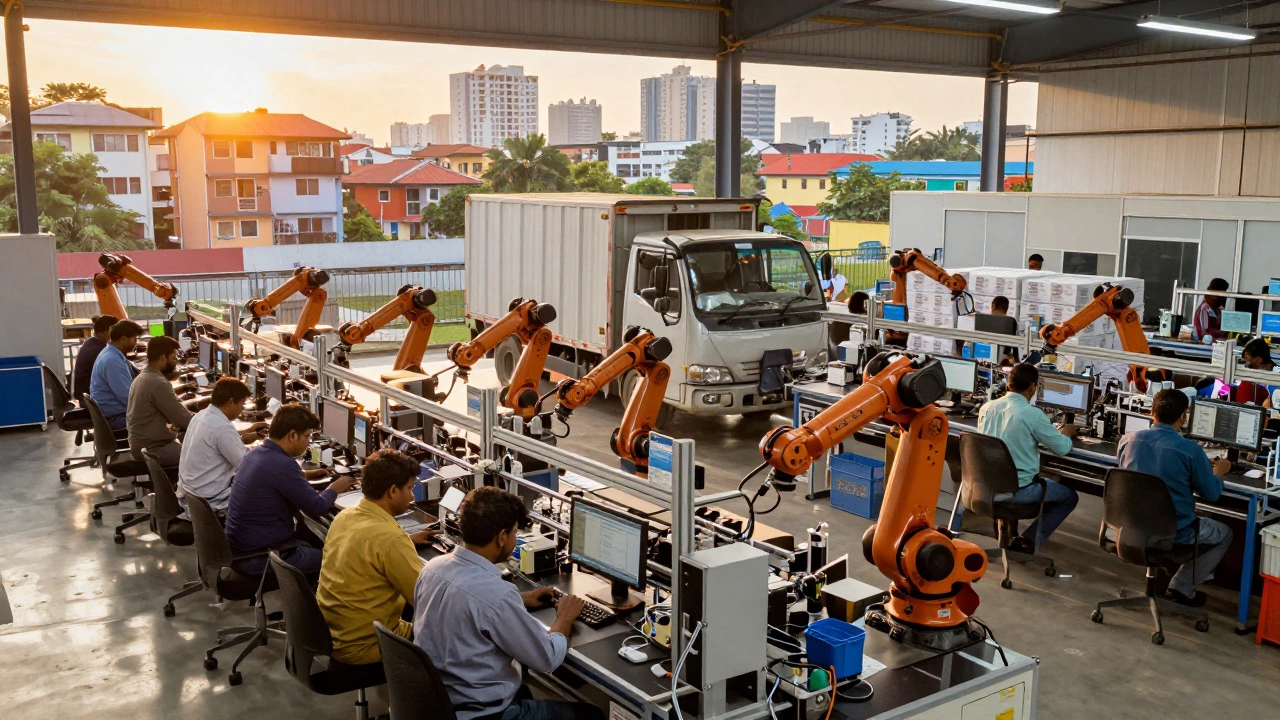
Think about a new electronics plant opening in Bangalore. You need engineers to design the products and technicians to run the machines. But you also need:
- Logistics companies to transport components and finished goods.
- Local restaurants and housing providers for the workforce.
- Software firms to manage inventory and automation systems.
- Security agencies and maintenance crews.
This ripple effect means that manufacturing acts as a magnet for other businesses. It increases local spending power, which boosts service industries. In emerging economies, this transition from agriculture to manufacturing is often the fastest way to lift millions out of poverty. It provides stable incomes that rural farming alone cannot guarantee.
GDP Contribution and Export Earnings
Manufacturing contributes significantly to a country’s Gross Domestic Product (GDP). Unlike services, which can be consumed locally, manufactured goods are easily traded across borders. This makes manufacturing a primary source of foreign exchange earnings through exports.
When a nation exports more than it imports, it runs a trade surplus. This strengthens the local currency and improves the balance of payments. For example, countries with robust automotive or pharmaceutical manufacturing sectors often see stronger economic indicators because their products have high global demand. In 2025-2026, the trend toward "friend-shoring"-moving production to allied nations-has increased export opportunities for manufacturers in stable political environments.
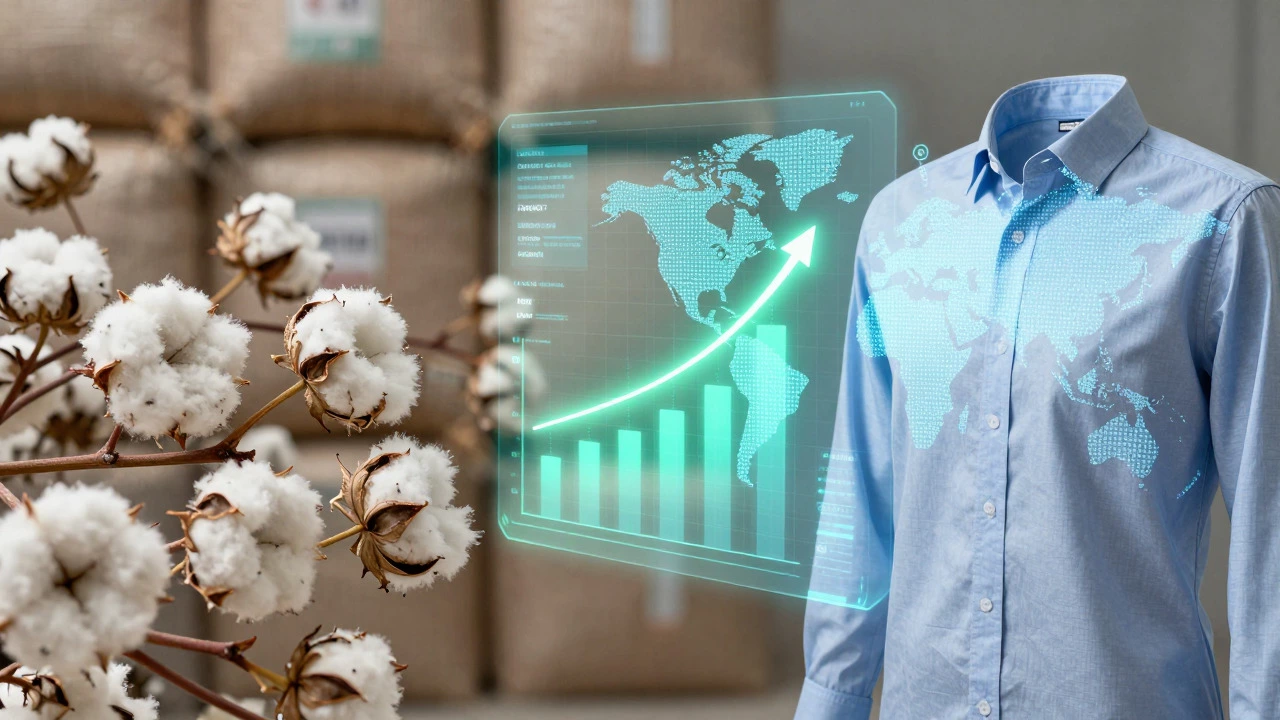
Moreover, manufacturing adds value. Raw cotton might cost $1 per kilogram, but after spinning, weaving, dyeing, and stitching, that same material becomes a shirt worth $20. This value addition is pure economic gain. It transforms low-value inputs into high-value outputs, increasing the overall wealth of the nation.
Innovation and Technological Spillovers
One of the less obvious benefits of manufacturing is its role in driving innovation. Factories are laboratories for technology. To stay competitive, manufacturers constantly invest in research and development (R&D). They adopt new technologies like artificial intelligence, robotics, and Internet of Things (IoT) sensors.
These innovations rarely stay confined to the factory floor. They spill over into other sectors. For instance, advancements in battery technology for electric vehicles eventually lead to better energy storage solutions for homes and grids. Improvements in precision machining for aerospace components find applications in medical devices. This cross-pollination of ideas accelerates technological progress across the entire economy.
Furthermore, manufacturing fosters a culture of efficiency. Techniques like Lean Manufacturing and Six Sigma, originally developed in auto plants, are now used in hospitals, banks, and software companies to reduce waste and improve quality. This mindset shift towards continuous improvement permeates the broader business landscape.
Infrastructure Development and Urbanization
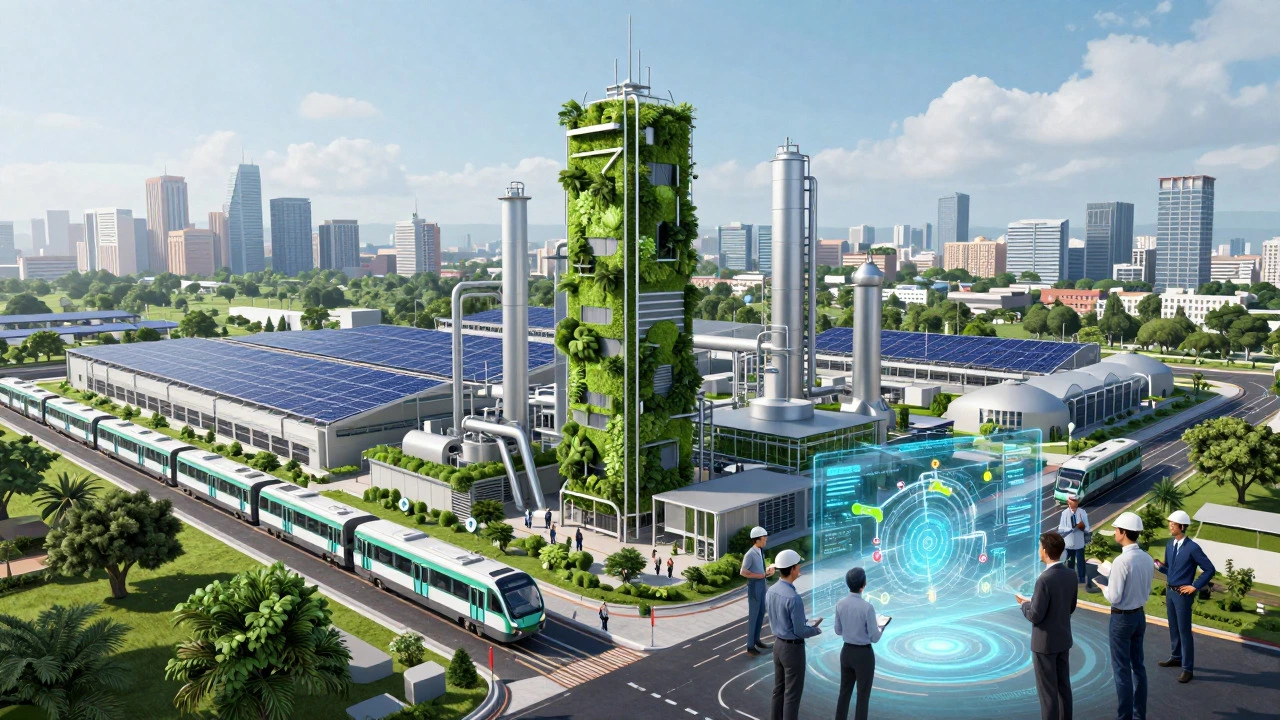
Where there is manufacturing, there is infrastructure. Building factories requires roads, railways, ports, power plants, and water supply systems. Governments often prioritize infrastructure development in industrial zones, which benefits surrounding communities. Better roads mean easier travel for everyone. Reliable electricity supports households and small businesses alike.
This concentration of industry also drives urbanization. As people move to cities for work, demand rises for housing, education, and healthcare. While rapid urbanization can pose challenges, managed growth leads to the development of smart cities with improved public services. Industrial clusters become economic hubs that attract talent and investment, creating vibrant ecosystems where startups and established firms coexist.
Government Schemes and Policy Support in 2026
Recognizing these benefits, governments actively support manufacturing through various schemes. In India, initiatives like Production Linked Incentive (PLI) have been pivotal. These schemes offer financial incentives to companies that increase domestic production and exports. By reducing the cost of setting up units, such policies encourage both foreign and domestic investors to build capacity locally.
Other common government interventions include:
- Tax holidays for new industrial units.
- Subsidies for adopting green technologies.
- Simplified regulatory approvals to reduce bureaucratic delays.
- Funding for skill development programs to address labor shortages.
In 2026, the focus has shifted towards sustainable manufacturing. Policies now emphasize carbon neutrality and circular economy principles. Companies that integrate eco-friendly practices receive preferential treatment in government tenders. This aligns economic growth with environmental responsibility, ensuring long-term viability.
Economic Resilience and Security
The pandemic taught us a harsh lesson: reliance on distant suppliers can be risky. When borders closed, supply chains snapped. Countries without diversified manufacturing bases faced shortages of essential items like medicines and personal protective equipment. This highlighted the strategic importance of self-reliance.
A strong domestic manufacturing sector enhances economic resilience. It ensures that critical goods are available during crises. It reduces vulnerability to geopolitical tensions and trade wars. By producing essentials at home, nations maintain control over their economic destiny. This security aspect is increasingly valued by policymakers who view manufacturing not just as an economic activity but as a matter of national security.
| Indicator | Direct Impact | Indirect Benefit |
|---|---|---|
| Employment | Creates direct factory jobs | Boosts logistics, retail, and services via multiplier effect |
| GDP Growth | Adds value to raw materials | Increases tax revenue for public spending |
| Trade Balance | Generates export earnings | Strengthens currency stability |
| Innovation | Drives R&D investment | Technological spillovers to other sectors |
| Infrastructure | Requires industrial zones | Improves regional connectivity and utilities |
Challenges Facing Modern Manufacturing
Despite its benefits, manufacturing faces hurdles. Automation threatens low-skilled jobs, requiring a reskilling of the workforce. Environmental regulations add compliance costs. Global competition remains fierce, especially from countries with lower labor costs. Additionally, securing raw materials can be volatile due to price fluctuations and geopolitical issues.
To overcome these challenges, collaboration is key. Public-private partnerships can fund large-scale projects. Educational institutions must align curricula with industry needs. Manufacturers themselves must embrace digital transformation to remain agile. The future belongs to those who can produce efficiently while adapting quickly to changing market demands.
Conclusion: The Backbone of Prosperity
So, what does manufacturing do for the economy? It builds wealth, creates jobs, fosters innovation, and ensures security. It turns resources into reality. As we move further into 2026, the emphasis on robust industrial bases will only grow. Supporting manufacturing is not just about protecting old industries; it is about investing in the future. Whether through government schemes or private investment, nurturing this sector is crucial for sustained economic health.
How does manufacturing contribute to GDP?
Manufacturing contributes to GDP by adding value to raw materials. When raw inputs are processed into finished goods, the difference in price represents economic value added. This value is counted in the national income. Additionally, manufacturing generates tax revenues and stimulates related sectors like logistics and retail, further boosting GDP.
Why is manufacturing important for job creation?
Manufacturing creates direct jobs in factories and indirect jobs in supply chains, logistics, and services. The multiplier effect means that one manufacturing job can support several others in the community. It offers stable employment opportunities that help reduce poverty and improve living standards.
What are some government schemes supporting manufacturing in India?
Key schemes include the Production Linked Incentive (PLI), which rewards increased production and exports. Other initiatives involve tax breaks, subsidies for green technology adoption, and simplified regulatory processes. These policies aim to boost domestic capacity and attract foreign investment.
How does manufacturing drive innovation?
Manufacturers invest heavily in R&D to improve efficiency and product quality. Technologies developed for industrial use, such as AI and robotics, often spill over into other sectors like healthcare and finance. This cross-sectoral transfer of knowledge accelerates overall technological progress.
Is manufacturing still relevant in a service-based economy?
Yes, absolutely. Even in service-dominated economies, manufacturing underpins many services. IT services often support manufacturing processes. Moreover, physical goods are always needed. A balanced economy requires a strong manufacturing base to ensure resilience, export competitiveness, and sustainable growth.