Future Metal Selector
Select your primary project constraints below to see which metal aligns best with modern industrial trends like electrification and lightweighting.
Analysis Summary
Adjust the sliders and options above to generate a recommendation.
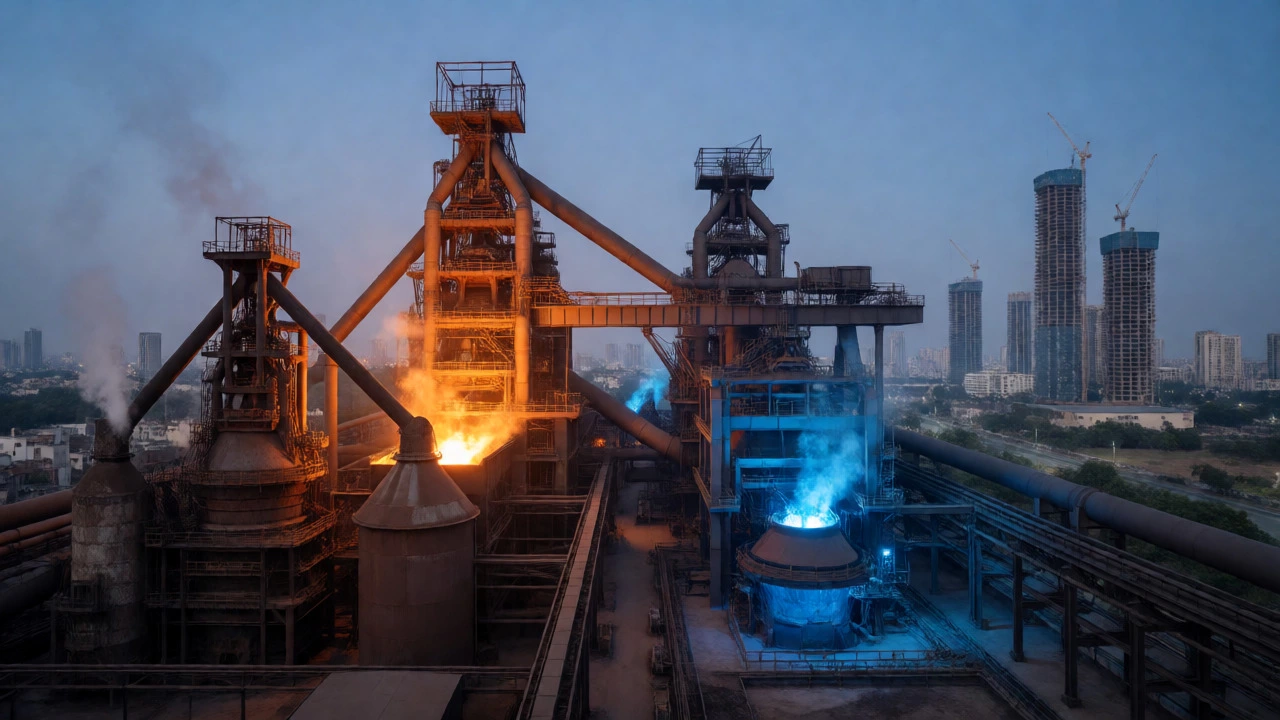
Walk into any major industrial hub in Mumbai or Shanghai today, and you will see a skyline dominated by steel. It is the backbone of modern civilization, holding up skyscrapers, forming the chassis of cars, and carrying water to millions of homes. But here is the uncomfortable truth: the world is running out of cheap ways to make it. The traditional blast furnace method releases massive amounts of carbon dioxide, making steel one of the biggest contributors to global warming. So, when people ask, "Which is the future metal of the world?" they aren't just asking about strength or weight. They are asking about survival.
The answer isn't a single shiny element pulled from the periodic table. It’s a battle between maintaining our current infrastructure with cleaner methods and switching to lighter, more efficient materials for new applications. We are currently witnessing a shift where green steel, high-strength aluminum, and niche titanium alloys are fighting for dominance. Let’s break down who is winning this race and what it means for manufacturing plants around the globe.
Why Steel Still Dominates (But Needs an Upgrade)
You cannot talk about the future without acknowledging the present giant. Steel production hit approximately 1.9 billion tonnes globally in recent years. That is a lot of metal. Why does it remain king? Simple economics and versatility. Iron ore is abundant, and the supply chain for steel is mature. If you need to build a bridge that lasts 100 years, steel is still the default choice because we know exactly how it behaves under stress.
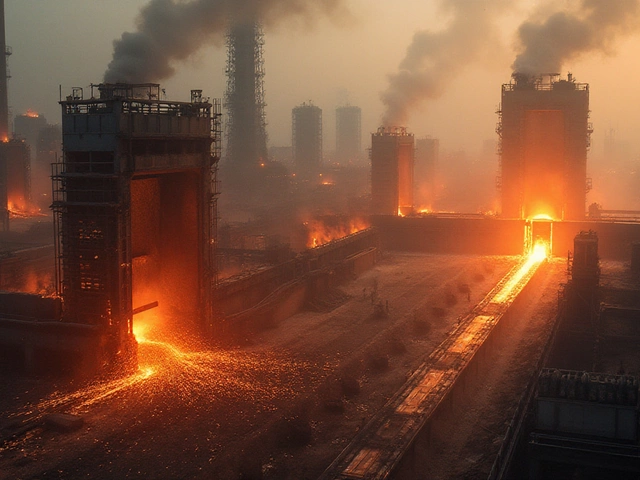
However, the industry faces a crisis. Producing one tonne of conventional steel emits roughly 1.85 tonnes of CO2. To meet net-zero targets by 2050, manufacturers must slash this number drastically. This has sparked the rise of Hydrogen-based Direct Reduced Iron (DRI). Instead of using coal coke to strip oxygen from iron ore, these new plants use hydrogen. The byproduct is water vapor instead of carbon dioxide. Companies like H2 Green Steel in Sweden are already proving this works at scale. If hydrogen becomes cheap enough, steel doesn’t lose its crown; it just gets a green makeover.
The Rise of Aluminum: Lighter is Better
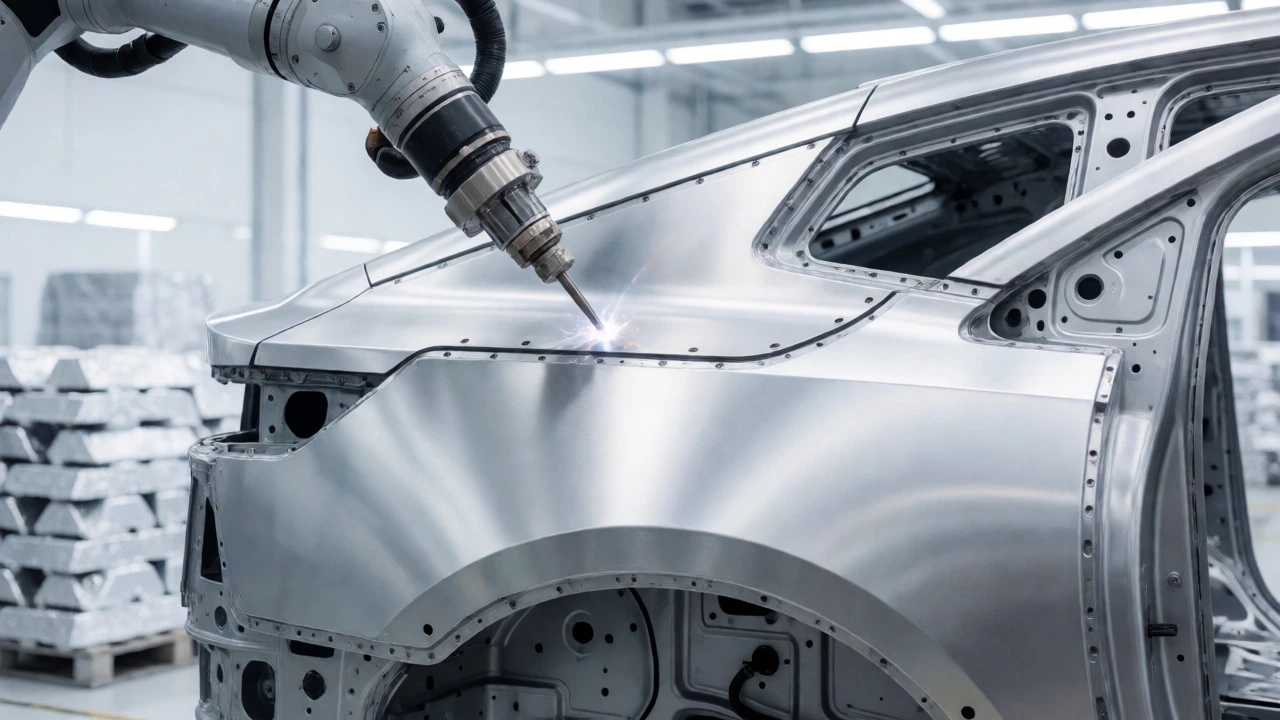
If steel is the muscle, Aluminum is the agility factor. It is three times lighter than steel but offers significant corrosion resistance. This property makes it the darling of the automotive and aerospace industries. As electric vehicles (EVs) try to maximize battery range, every kilogram matters. Replacing steel body panels with aluminum can extend an EV's range by 10-15% simply due to weight reduction.
But aluminum has its own dirty secret. Smelting aluminum requires enormous amounts of electricity. In regions where power comes from coal, aluminum can have a higher carbon footprint per kilogram than steel. However, recycling changes the game. Recycling aluminum uses only 5% of the energy required to produce primary aluminum from bauxite ore. As the circular economy grows, recycled aluminum becomes a low-carbon powerhouse. For consumer electronics, packaging, and transport, aluminum is arguably taking over the lightweight sector.
Titanium: The High-Performance Niche
What about Titanium? You often hear it called the "metal of the future" in tech blogs. It is stronger than steel, lighter than aluminum, and virtually immune to corrosion. Why isn't it everywhere then? Cost and complexity. Titanium is expensive to extract and even harder to machine. It requires specialized equipment and inert gas environments to prevent contamination during welding.
Titanium remains confined to high-value sectors: aerospace, medical implants, and luxury goods. While Boeing and Airbus rely on it for critical components, building a whole car out of titanium would bankrupt most manufacturers. Unless extraction costs drop dramatically-perhaps through new processes like the FFC Cambridge process-titanium will stay a premium material, not a mass-market solution.
Copper: The Unsung Hero of Electrification
We often forget copper in this debate, but it is essential for the transition to renewable energy. Solar panels, wind turbines, and EV motors all require massive amounts of copper wiring. Demand for copper is projected to double by 2035. Unlike steel or aluminum, copper cannot be easily substituted. Its conductivity is unmatched. While it won't replace structural metals, it is becoming a strategic resource that defines the pace of our electrified future.
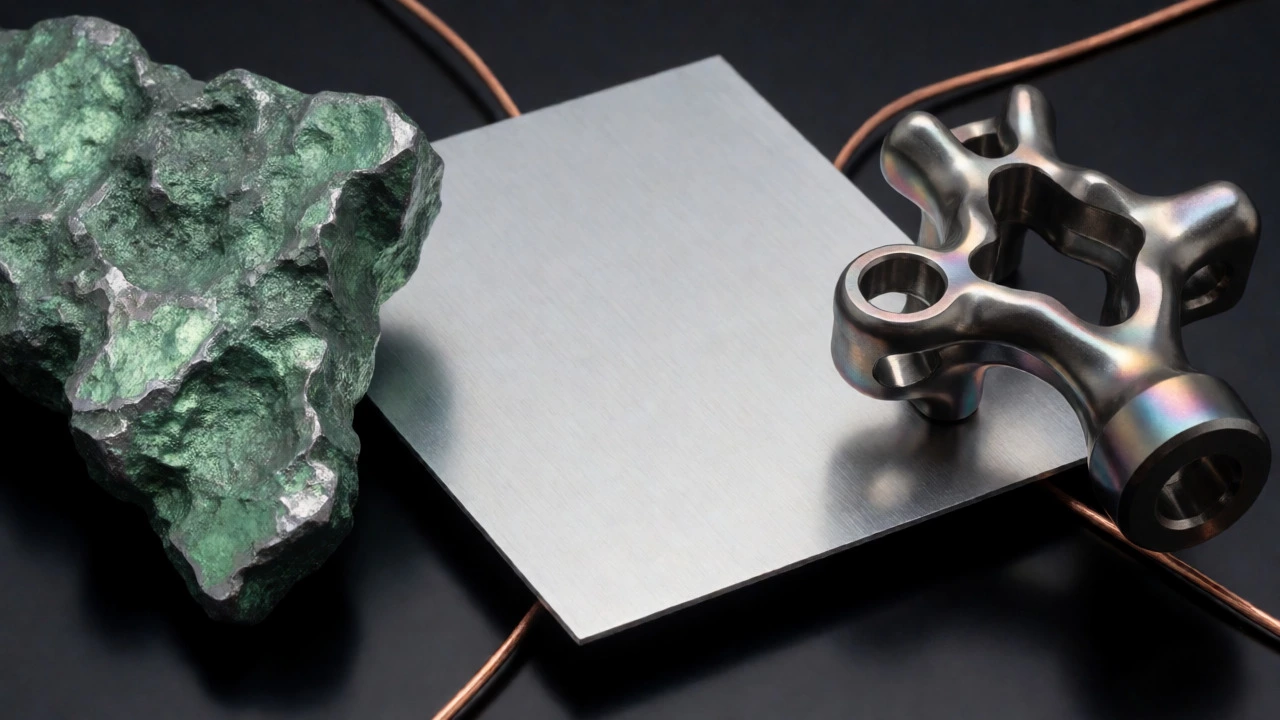
Comparing the Contenders
To help you decide which metal fits your business needs, let’s look at the hard numbers. No metal is perfect, but each excels in specific scenarios.
| Metal | Density (g/cm³) | Tensile Strength (MPa) | Recyclability | Primary Use Case | Carbon Footprint Risk |
|---|---|---|---|---|---|
| Steel | 7.85 | 400 - 2,000+ | High (Magnetic separation easy) | Construction, Infrastructure, Heavy Machinery | High (unless Hydrogen-DRI used) |
| Aluminum | 2.70 | 90 - 600 | Very High (Energy efficient) | Aerospace, EVs, Packaging, Electronics | Medium (Depends on grid source) |
| Titanium | 4.50 | 900 - 1,200 | Moderate (Complex recovery) | Aerospace, Medical, Defense | Low-Medium (Energy intensive extraction) |
| Copper | 8.96 | 200 - 400 | Very High | Electrical Wiring, Renewable Energy | Medium (Mining impact) |
The Verdict: A Multi-Metal Future
So, which is the future metal? The honest answer is that there is no single winner. The future is hybrid. We will continue to use steel for structures where weight doesn't matter as much as cost and durability. But we will clean up steel production using hydrogen technology. Simultaneously, we will shift toward aluminum for anything that moves, especially vehicles, to save energy. Copper will become increasingly valuable as we wire the world for electricity.
For manufacturers, this means adaptability is key. If you run a steel plant, investing in electric arc furnaces (EAFs) powered by renewable energy is no longer optional-it’s survival. If you work in automotive design, understanding aluminum joining techniques is crucial. The era of relying solely on cheap, dirty iron is ending. The future belongs to those who can manage the complex interplay of strength, weight, and carbon efficiency.
Consider the implications for supply chains. Countries rich in iron ore like Australia and Brazil will remain important, but nations with abundant renewable energy for hydrogen production or aluminum smelting will gain leverage. India, with its growing manufacturing base, is well-positioned to lead in both green steel initiatives and aluminum processing if policy support aligns with technological adoption.
Don't bet everything on one horse. Watch the trends in hydrogen pricing, renewable energy costs, and recycling rates. These factors will determine which metal wins in which sector. The metal of the future isn't just a material; it's a system of sustainable production and smart application.
Will steel be replaced by aluminum entirely?
No, steel will not be replaced entirely. While aluminum is gaining ground in transportation and packaging due to its light weight, steel remains superior for large-scale construction, heavy machinery, and applications requiring extreme tensile strength at a lower cost. The two metals will likely coexist, serving different functions within the same products.
Is green steel actually cheaper than traditional steel?
Currently, green steel produced via hydrogen DRI is 10-30% more expensive than traditional blast furnace steel. However, as carbon taxes increase and renewable energy costs fall, the price gap is expected to close. By 2030, many analysts predict green steel could reach price parity in regions with strong climate policies.
Why is titanium not used for everyday products?
Titanium is primarily limited by its high cost and difficult manufacturing processes. Extracting titanium from ore is energy-intensive, and machining it requires specialized tools and conditions to avoid fire hazards. These factors make it prohibitively expensive for mass-market items like furniture or standard car bodies, restricting it to aerospace, medical, and luxury applications.
How does recycling affect the future of aluminum?
Recycling is a game-changer for aluminum. Producing recycled aluminum uses only about 5% of the energy needed for primary production. This makes recycled aluminum significantly more environmentally friendly and cost-effective. As collection systems improve, the proportion of recycled content in new aluminum products will rise, reducing the demand for energy-intensive smelting.
What role does copper play in the future of metals?
Copper is critical for electrification. It is indispensable for electrical wiring in EVs, solar panels, and wind turbines. Unlike structural metals, copper cannot be easily substituted without losing efficiency. Demand for copper is expected to surge as the world transitions away from fossil fuels, potentially leading to supply constraints and higher prices.