Plastic Evolution Explorer
Click on a material below to explore its origins, key properties, and the industrial impact it had on the world.
Celluloid
The early attempt to save the elephants.
Bakelite
The "Material of a Thousand Uses".
Polyethylene
The engine of the consumer boom.
Origin: Plant Cellulose (Nitrocellulose)
Key Property: Highly moldable and versatile.
Critical Flaw: Extremely flammable; could practically explode near heat.
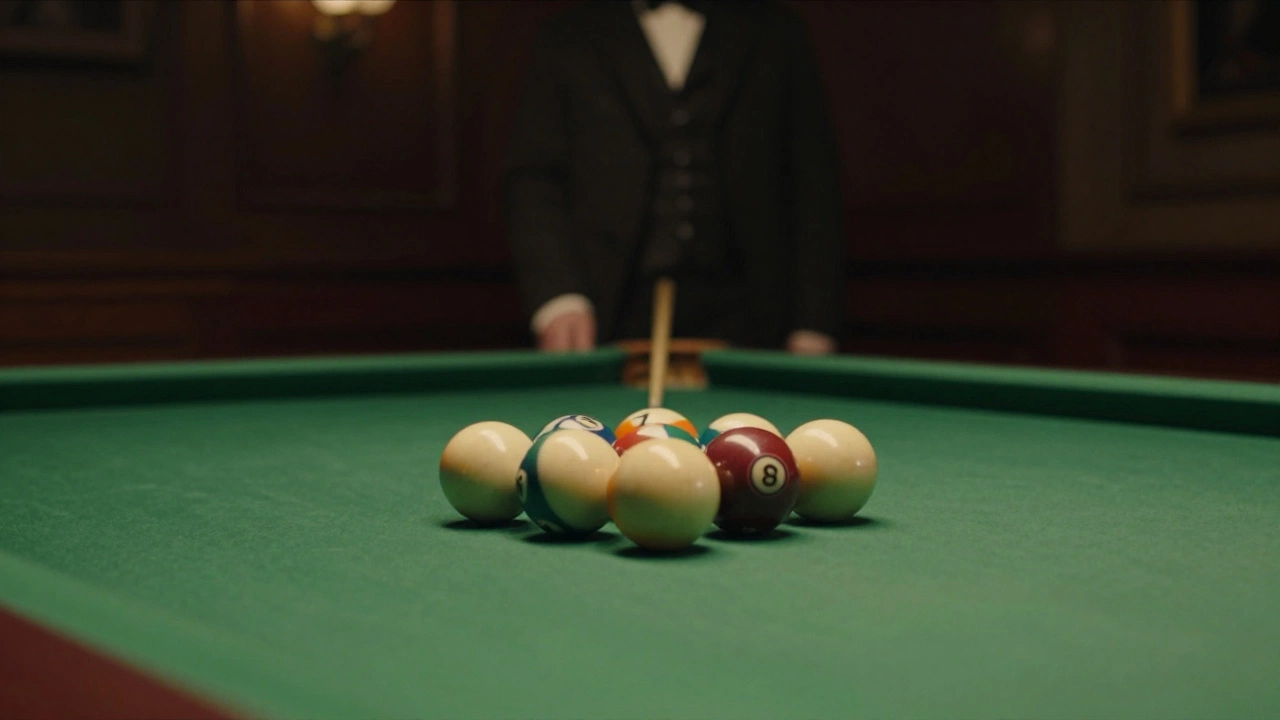
Impact: Provided the first real alternative to Ivory billiard balls, reducing elephant slaughter, but remained dangerous for home use.
Origin: Phenol + Formaldehyde (Synthetic Chemicals)
Key Property: Thermosetting (cannot be re-melted), heat resistant.
Critical Flaw: Brittle and impossible to recycle due to permanent chemical bonds.
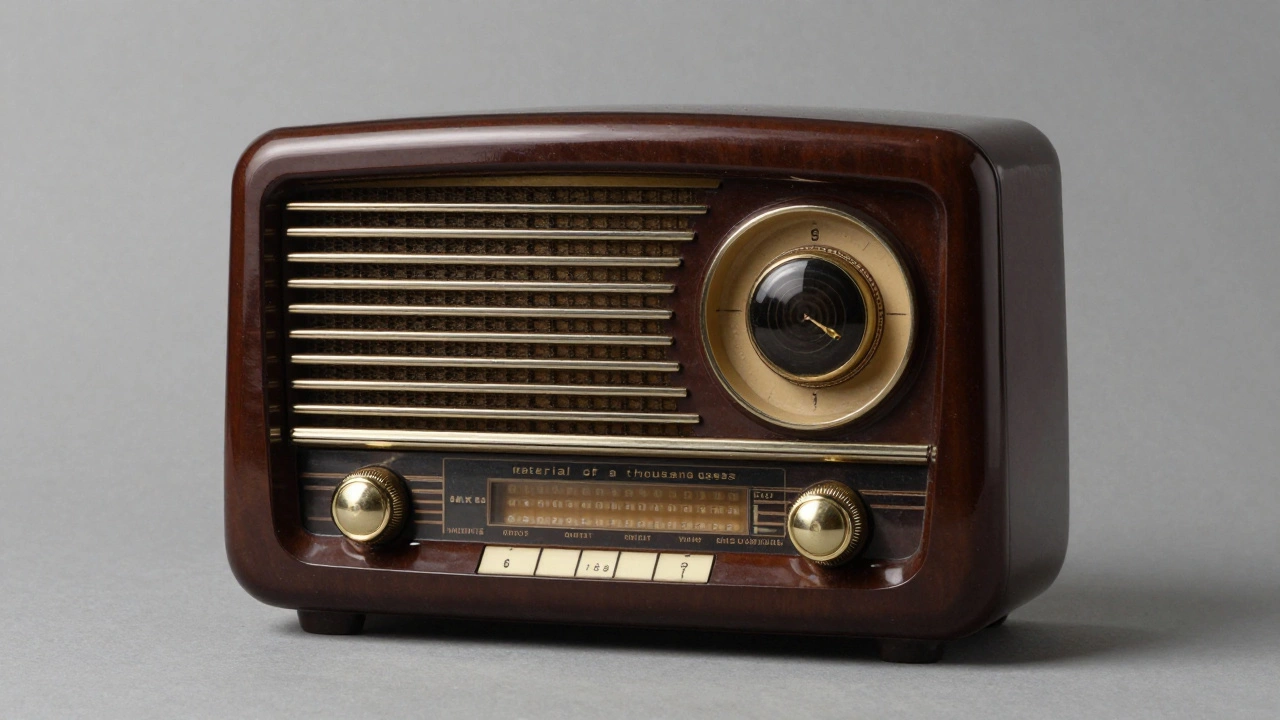
Impact: Revolutionized electrical insulation and luxury goods like early radios and telephones.
Origin: Petroleum and Natural Gas
Key Property: Flexible, waterproof, and cheap to mass-produce.
Critical Flaw: Environmental persistence; does not biodegrade.
Impact: Shifted the global economy toward a "disposable" culture, leading to current plastic pollution crises.
The Quick Summary: Plastic's Origin Story
- The Pre-Era: Humans used natural resins (like shellac) for centuries.
- The Semi-Synthetic Step: Parkesine and Celluloid used plant cellulose to create moldable materials.
- The Big Bang: Leo Baekeland invented Bakelite in 1907, the first 100% synthetic polymer.
- The Evolution: This led to the creation of nylon, PVC, and polyethylene, fueling the modern manufacturing boom.
The Problem That Started It All: The Ivory Crisis
To understand why plastic was invented, you have to look at what people were using back then. In the 19th century, the world was obsessed with billiard balls. Now, you might think, "Who cares about pool balls?" But back then, they were made from Ivory. This meant thousands of elephants were being slaughtered just so people could play a game in a pub.
Inventors were desperate for a substitute. This led to the creation of Celluloid in the 1860s. Now, Celluloid wasn't "true" plastic because it relied on Nitrocellulose, which is derived from cotton fibers. It worked, but it had a massive flaw: it was incredibly flammable. If you put a Celluloid object near a candle, it didn't just melt-it practically exploded. The world needed something stable, heat-resistant, and completely artificial.
Leo Baekeland and the Birth of Bakelite
Enter Leo Baekeland. He wasn't just trying to make a toy; he was looking for a synthetic replacement for shellac, a resin made from beetle secretions used to insulate electrical wires. In 1907, using a device called a "Bakelizer," he combined Phenol (a byproduct of coal tar) and Formaldehyde under heat and pressure.
The result was Bakelite. Unlike everything that came before it, Bakelite was a "thermosetting" plastic. This means once it was molded and set, it would never melt again, no matter how much heat you applied. It was an electrical insulator, it was hard as a rock, and it didn't rely on any plant or animal. For the first time in history, humans had created a material that didn't exist anywhere in the natural world.
| Material | Origin | Key Property | Main Flaw |
|---|---|---|---|
| Celluloid | Plant Cellulose | Easy to mold | Highly explosive/flammable |
| Bakelite | Synthetic Chemicals | Heat resistant | Brittle, cannot be recycled |
| Polyethylene | Petroleum/Gas | Flexible/Waterproof | Environmental persistence |
The Chemistry That Changed Manufacturing
The secret to these inventions is the concept of Polymers. Think of a polymer as a long chain of molecules. In nature, you have polymers like DNA or starch. Scientists figured out that if they could link small molecules (monomers) together in a long, repeating chain, they could create materials with almost any property they wanted.
After Bakelite, the floodgates opened. In the 1930s, Wallace Carothers at DuPont invented Nylon, the first synthetic fiber. This replaced silk in stockings and parachutes during World War II. Then came Polyvinyl Chloride (PVC), which revolutionized plumbing because it didn't rust like iron pipes. Each of these inventions solved a specific industrial problem: durability, weight, or cost.
From Luxury to Ubiquity: The Plastic Boom
For the first few decades, plastics were high-tech luxury items. A Bakelite radio was a status symbol in the 1920s. But after 1945, the chemical industry shifted. The infrastructure built for the war effort-specifically the massive plants for producing synthetic rubber and fuel-was repurposed to make consumer goods.
This is when Polyethylene and Polypropylene became common. These weren't just "hard" plastics like Bakelite; they were flexible and cheap. Suddenly, we had plastic bags, Tupperware, and disposable bottles. The manufacturing world shifted from "making things to last a lifetime" to "making things that are cheap and replaceable." This shift created the modern consumer economy but also the environmental crisis we're dealing with today.
The Dark Side of the Innovation
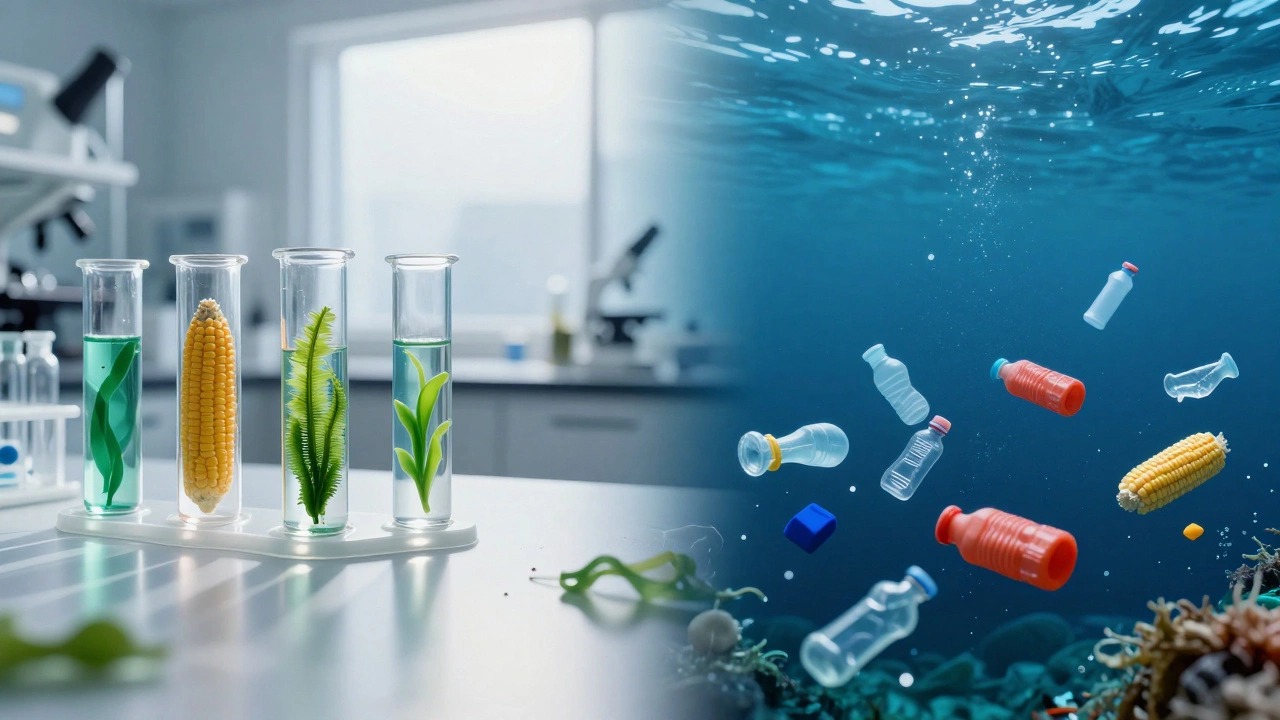
Leo Baekeland probably never imagined that his invention would eventually lead to the Great Pacific Garbage Patch. The very thing that made Bakelite and its successors so successful-their refusal to break down-is exactly why they are now a nightmare for the planet. Because these materials are synthetic, bacteria and fungi don't recognize them as food, so they don't biodegrade.
Current Plastic Manufacturing companies are now racing to undo this. We're seeing a shift toward Bioplastics, which use corn starch or sugarcane instead of petroleum. The goal is to return to the "semi-synthetic" roots of early plastic but with the durability and scale of the Bakelite era.
Was plastic invented by one person?
Not exactly. While Leo Baekeland is credited with inventing the first fully synthetic plastic (Bakelite) in 1907, others like John Wesley Hyatt created semi-synthetic plastics like Celluloid decades earlier. It was a gradual evolution of chemical engineering rather than a single "eureka" moment.
What was the first plastic ever made?
The first semi-synthetic plastic was Parkesine, created by Alexander Parkes in 1856. However, Bakelite, invented in 1907, is recognized as the first truly synthetic plastic because it didn't rely on natural polymers like cellulose.
Why is Bakelite called the 'material of a thousand uses'?
Because it was incredibly versatile. It didn't conduct electricity, it resisted heat, and it could be molded into almost any shape. This made it perfect for everything from telephone casings and radio housings to jewelry and kitchenware.
Is all plastic made from oil?
Most traditional plastics are derived from petroleum or natural gas. However, bioplastics are made from renewable organic sources like corn, soy, or algae. These are designed to be more biodegradable than their oil-based counterparts.
Can Bakelite be recycled?
No. Bakelite is a thermosetting plastic, meaning the chemical bonds are permanent once set. Unlike thermoplastics (like PET bottles) which can be melted down and reshaped, Bakelite cannot be melted, making it nearly impossible to recycle in a traditional sense.
What to Do Now: Moving Toward Sustainable Plastics
If you're in the manufacturing space or just a conscious consumer, the path forward is clear: focus on the "circular economy." This means moving away from the linear "take-make-waste" model that Leo Baekeland's era accidentally started.
For business owners, this looks like investing in Chemical Recycling-a process that breaks polymers back down into monomers so they can be reused infinitely without losing quality. For the average person, it's about choosing materials based on their end-of-life plan. If a product is made from a thermoset plastic, it's effectively permanent; if it's a thermoplastic, it has a chance of being reborn as something else.