US to India Electronics Compatibility Checker
Device Details
Your Gear Checklist
Enter your device details to see if it works in India.
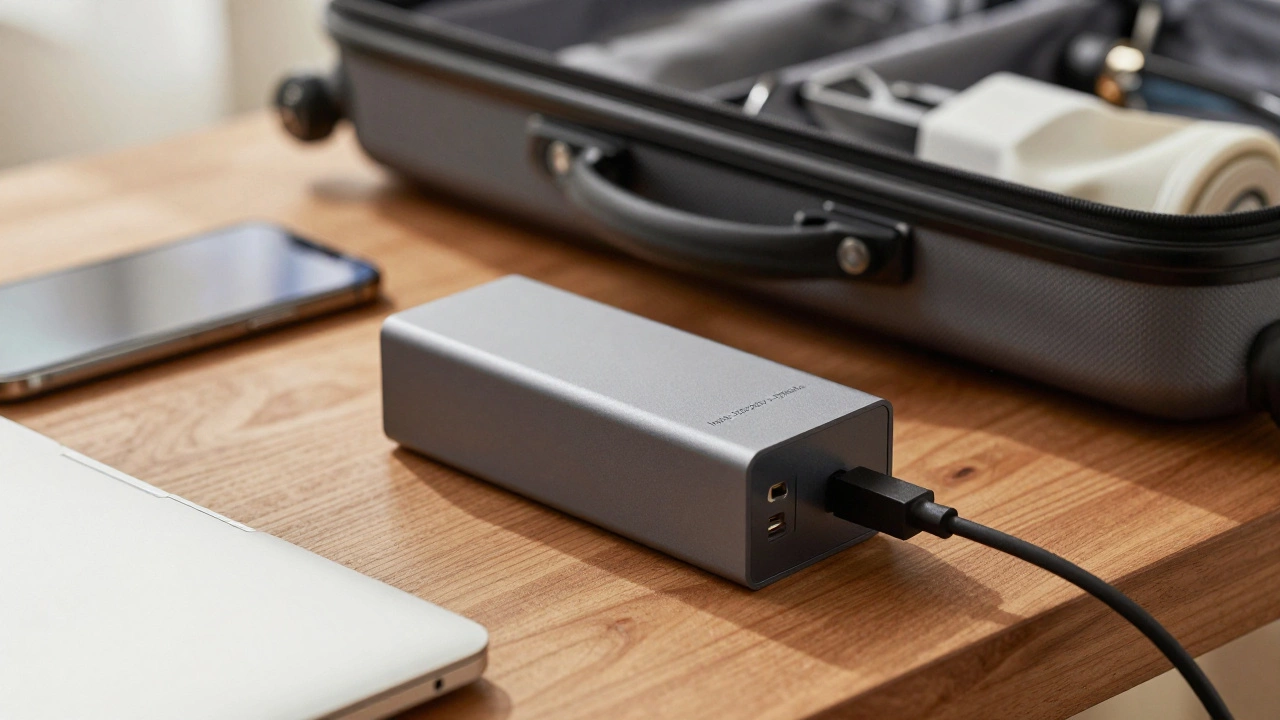
You just bought a brand-new laptop or camera in the United States, and you’re packing it for your trip back to Bangalore. The excitement of using that gadget is quickly dampened by one nagging question: will it actually work when I plug it into an Indian wall socket? It’s a common panic for travelers and expats. The short answer is yes, most modern US electronics will work in India without any extra gear. However, there are specific conditions you need to meet to avoid frying your device or melting your charger.
Understanding the difference between voltage compatibility and physical plug shape is the key here. Many people confuse these two issues, leading them to buy expensive converters they don’t need or skip essential adapters they do. Let’s break down exactly what happens when you take American tech across the ocean.
Voltage Compatibility: The Real Deal
The electrical grid in the United States operates on 120 volts at a frequency of 60 Hz. In contrast, India uses 230 volts at a frequency of 50 Hz. On paper, this looks like a disaster waiting to happen. If you were to plug a single-voltage American appliance-like an old hair dryer or a cheap electric shaver-directly into an Indian socket, the surge of double voltage would likely destroy it instantly.
However, most consumer electronics sold in the US today are designed with global compatibility in mind. This includes laptops, smartphones, tablets, cameras, and their chargers. Look closely at the label on your charger or the bottom of your device. You will see a line that says "Input:" followed by numbers like "100-240V ~ 50/60Hz."
- 100-240V: This range means the device can accept anywhere from 100 volts (US standard) to 240 volts (Indian/European standard). Your device automatically adjusts internally.
- 50/60Hz: This indicates it handles both the US frequency (60Hz) and the Indian frequency (50Hz).
If your charger has this wide input range, you are safe. You do not need a heavy, bulky voltage converter. These devices are called "switch-mode power supplies," and they have become the industry standard because manufacturers want to sell the same product worldwide without building separate versions for different countries.
The Physical Problem: Plug Types
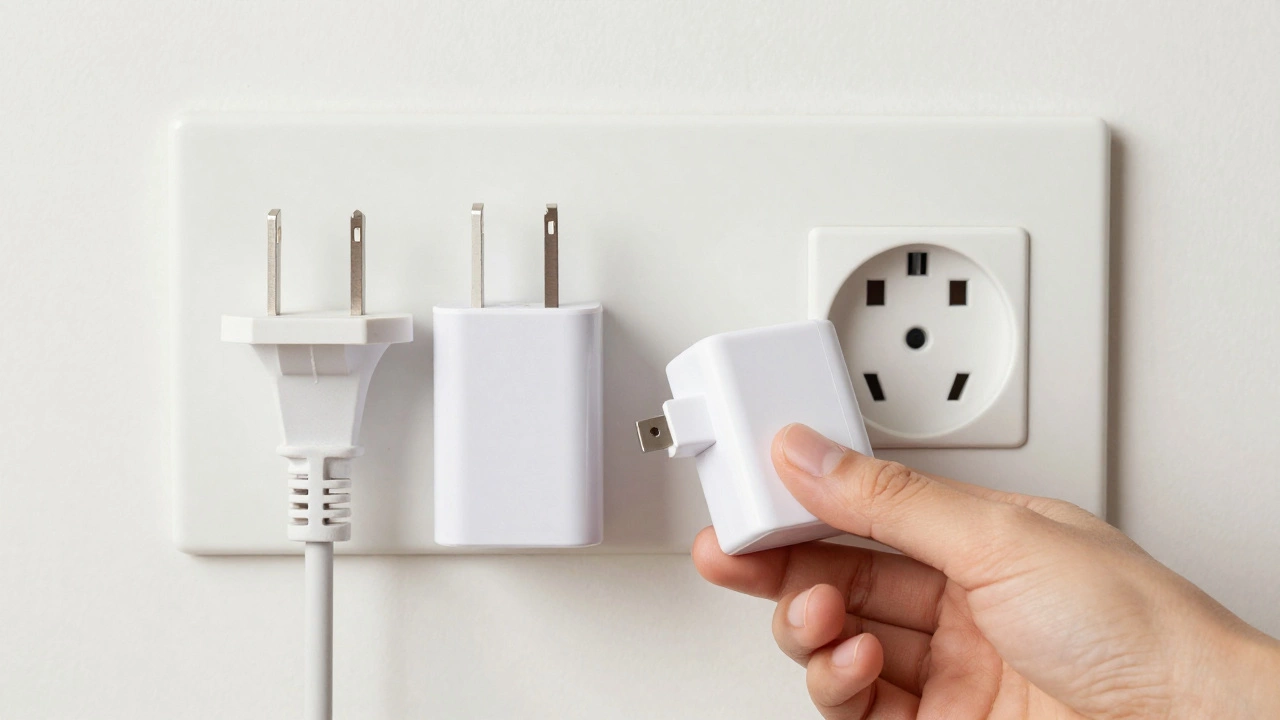
Even if your electronics handle the voltage perfectly, you still face a physical barrier. The plugs themselves are different shapes. The United States primarily uses Type A and Type B plugs, which have flat parallel pins. India predominantly uses Type C, Type D, and Type M sockets, which feature round pins.
A Type A or B plug simply will not fit into a standard Indian Type D socket. The holes are too small, and the pin configuration doesn't match. To solve this, you need a simple plug adapter. This is a small, passive device that changes the shape of your plug so it fits into the wall. It does not change the voltage; it only bridges the physical gap.
You can pick up a universal travel adapter for a few dollars online or at any airport store. Just ensure it supports Type D sockets, which are the most common residential sockets in India. Some newer buildings in cities like Mumbai or Delhi might have universal sockets that accept multiple plug types, but don't count on it. Always carry your own adapter.
Devices That Need Extra Care
While your phone and laptop are safe, other household appliances tell a different story. Items like electric kettles, curling irons, straighteners, and high-power hair dryers often run on single voltage (120V only). These devices rely on heating elements that are sensitive to voltage spikes.
If you must use these items in India, you cannot just use a plug adapter. You need a voltage converter or transformer. These devices step down the 230V Indian supply to the 120V your appliance needs. Keep in mind that these converters can be large, heavy, and inefficient. They also generate heat. For high-wattage items like a 1500W hair dryer, you’d need a massive converter that costs almost as much as buying a new local appliance.
My advice? Leave the high-power heating appliances in the US. Buy a cheap local equivalent in India. It’s safer, lighter, and more convenient. For sensitive electronics like medical devices or vintage audio equipment, always check the manual. If it says "120V Only," treat it with extreme caution.
Power Quality and Surge Protection
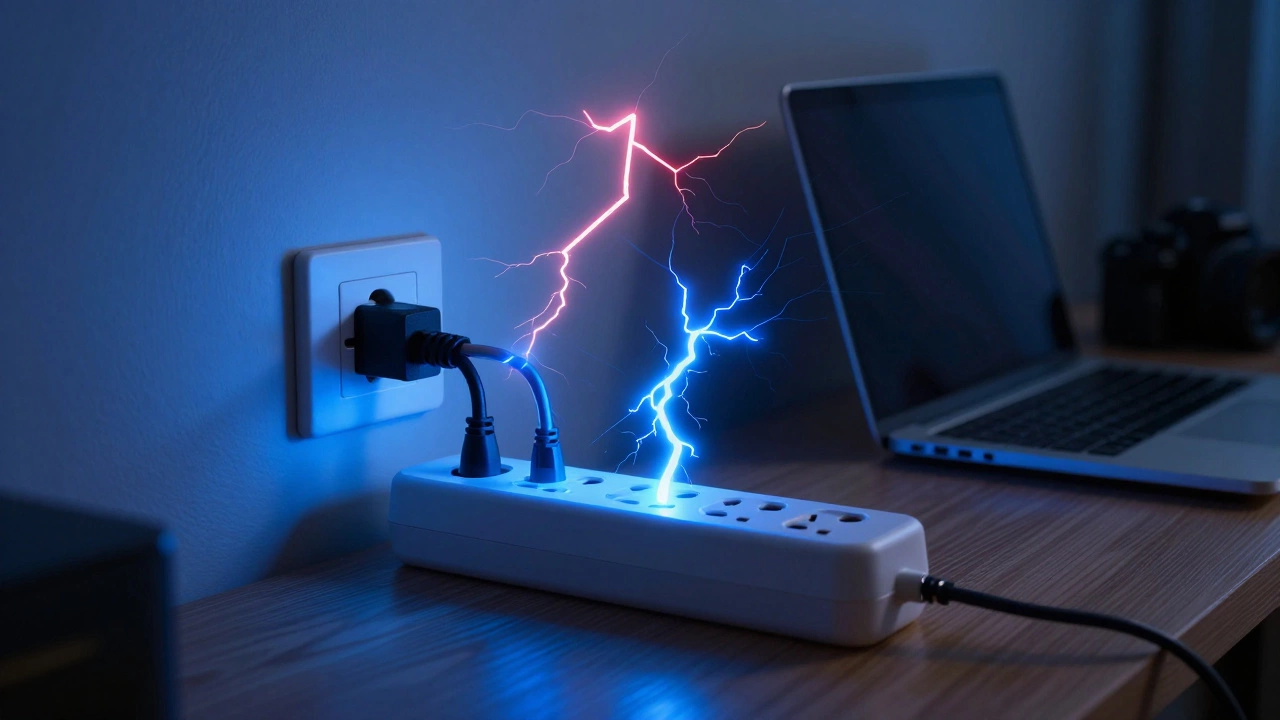
Another factor to consider is the quality of the power supply. While urban areas in India generally have stable electricity, voltage fluctuations and surges can still occur, especially during peak usage hours or in older buildings. Even though your laptop charger handles 100-240V, sudden spikes can damage internal components over time.
To protect your expensive gadgets, use a surge protector or a UPS (Uninterruptible Power Supply) with built-in surge protection. This adds a layer of defense against transient voltage spikes. It’s a small investment that can save you hundreds of dollars in repair costs. Most modern power strips available in India come with surge protection features labeled as "Lightning Guard" or similar.
Also, be mindful of grounding. Indian Type D sockets often lack proper earthing (grounding) in older installations. If your device has a three-prong plug (including the ground pin), ensure the socket you’re using is properly grounded. Using an ungrounded socket with a grounded device can lead to static buildup or minor shocks, though it rarely damages modern electronics with isolated power supplies.
Practical Tips for Travelers
Here is a quick checklist to keep your electronics safe and functional while in India:
- Check the Label: Before you pack, look for "100-240V" on every charger. If it’s missing, assume it’s 120V only.
- Buy a Universal Adapter: Get one that supports Type A, B, C, D, and G plugs. This covers most of Asia and Europe.
- Skip Heavy Appliances: Don’t bring hair dryers or kettles unless you have a heavy-duty converter.
- Use Surge Protection: Plug your devices into a surge-protected strip, not directly into the wall.
- Test First: When you arrive, test your charger with a low-risk device first (like a phone) before plugging in your laptop.
For those interested in deeper technical specifications regarding power standards, you might find resources like this directory useful for unrelated travel planning, but for electronics, stick to the guidelines above. Understanding these basics ensures your tech stays powered up without risk.
Frequently Asked Questions
Can I use my US iPhone charger in India?
Yes, absolutely. Apple chargers are dual-voltage (100-240V). You just need a plug adapter to fit the Indian socket.
Do I need a voltage converter for my laptop?
No. Modern laptops (MacBook, Dell, HP, etc.) have power bricks that support 100-240V. A simple plug adapter is sufficient.
What type of plug adapter do I need for India?
You need an adapter that converts Type A/B (US) to Type C/D (India). Type D has three round pins and is the most common in Indian homes.
Will my US hair dryer work in India?
Only if it explicitly states "100-240V" on the body. Most US hair dryers are 120V only and will burn out if plugged into India's 230V supply without a heavy-duty converter.
Is the electricity in India unstable?
In major cities, it is quite stable. However, voltage spikes can occur. Using a surge protector is highly recommended to protect sensitive electronics.