Electronics Manufacturing in India: What’s Happening and Why It Matters
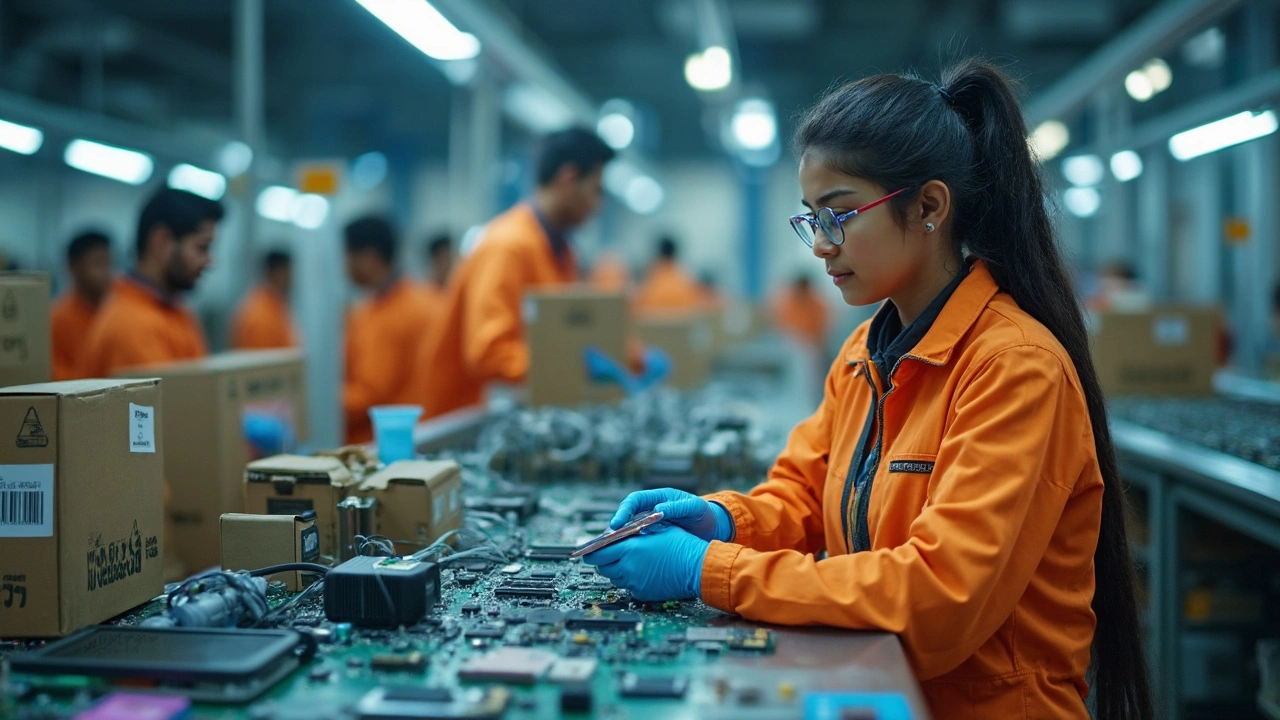
India isn’t just a market for smartphones; it’s becoming a major place where those phones are built. If you’ve ever wondered why your next gadget might be assembled in Mumbai or Bengaluru, the answer lies in a mix of cheap labor, government support, and a growing tech talent pool. Below we break down the main forces shaping this surge and what they mean for you.
What’s Driving the Boom?
First, the Indian government rolled out the Production Linked Incentive (PLI) scheme, which gives cash back to companies that set up factories locally. That policy alone has attracted giants like Samsung, Apple, and Foxconn to start large‑scale plants. Second, the country’s cheap electricity and competitive land prices cut production costs dramatically compared with China.
Third, a skilled workforce is emerging fast. Over 10 million engineering graduates leave campuses each year, many training in electronics, IoT, and AI. Employers can tap this talent without the high payrolls seen in Western markets. Finally, the rise of domestic brands such as Micromax and Lava pushes local R&D, ensuring the supply chain stays within the country.
Where to Look for Opportunities
If you’re an investor or a supplier, focus on the three tech hubs that lead the charge: Bengaluru for design and software integration, Gujarat’s electronics park for component manufacturing, and Tamil Nadu’s assembly lines for consumer devices. Each region offers a slightly different niche, so choose based on whether you’re selling raw parts, finished products, or design services.
Export markets matter too. The United States remains the top buyer of Indian‑made electronics, especially smartphones and printed circuit boards. Europe is catching up, thanks to EU‑India trade talks that aim to lower tariffs on tech goods. When you plan a product launch, consider these destinations to maximize profit.Another practical tip: partner with local logistics firms that specialize in “last‑mile” delivery to industrial parks. They know the permitting process, customs paperwork, and can save you weeks of delay.
Don’t overlook sustainability. New factories are being built with solar roofs and water‑recycling systems because the government offers extra incentives for green manufacturing. Companies that adopt these measures often win contracts with global brands that demand low‑carbon footprints.
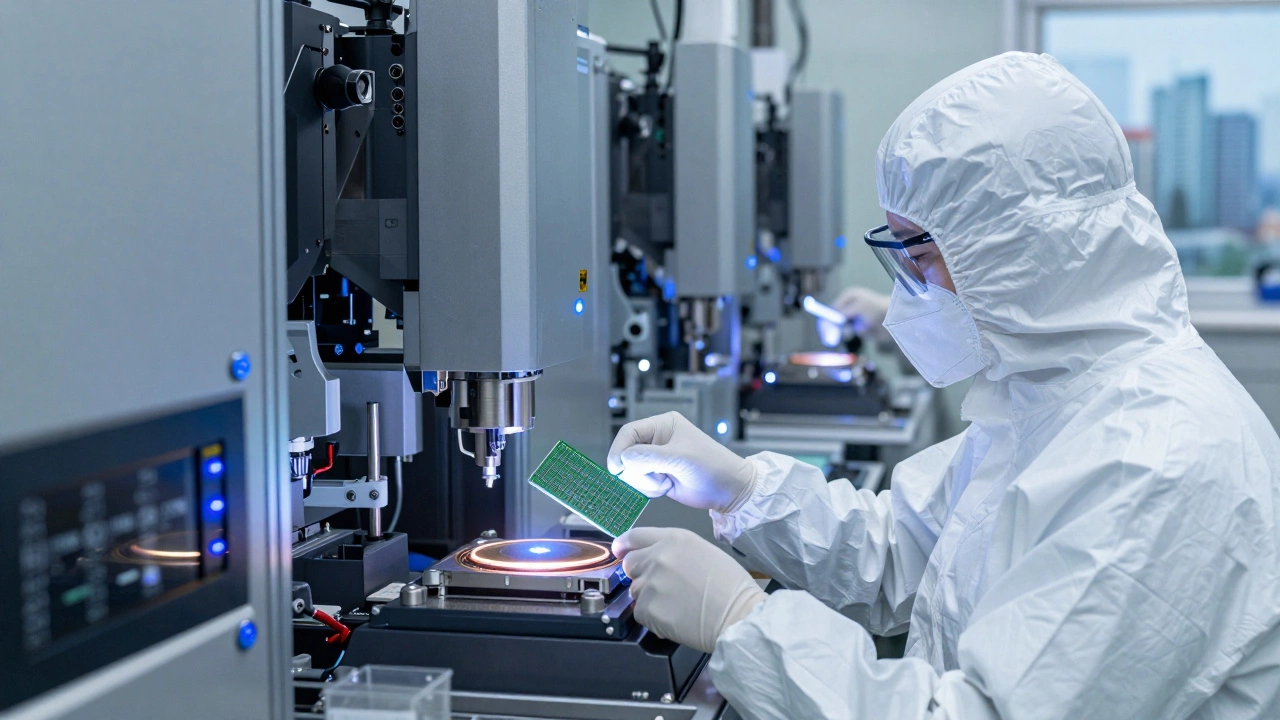
Finally, keep an eye on emerging technologies like AI‑driven quality control and IoT‑connected assembly lines. These tools cut defect rates and boost output, giving early adopters a clear edge. Training your staff on these systems now will pay off as the industry standard evolves.
In short, India’s electronics manufacturing sector is growing because of smart policies, affordable resources, and a flood of engineering talent. Whether you’re looking to invest, source parts, or launch a new gadget, the country offers a mix of cost advantages and market reach that’s hard to beat. Start by identifying the right hub, align with sustainability goals, and tap into the local talent pool – that’s the recipe for success in today’s fast‑moving tech world.