Small Scale Production Limitations: A Real-World Guide
Discover the real limitations of small scale production, from high unit costs to labor issues. Learn how to navigate these challenges and turn constraints into competitive advantages.
View MoreIf you’re eyeing a business that fits a modest budget yet offers real growth, small scale manufacturing might be the sweet spot. It means producing goods with limited capital, a small team, and a focus on niche markets. Think of it as the bridge between a home shop and a big factory.
Why does it matter? In India, small scale industries generate a huge chunk of employment and fuel local innovation. They can respond fast to market trends, experiment with new designs, and keep overhead low. That agility often translates into higher profit margins compared to larger, slower operations.
First, pick a product that solves a problem or satisfies a trend. Do a quick market scan – look at what people are searching for, what’s missing from local stores, and where you can add value. Next, map out your costs: raw material, equipment, labor, and any licensing fees. Keep the numbers realistic; a common mistake is under‑estimating hidden expenses like electricity or waste disposal.
Once the budget is set, secure a small workshop space. It doesn’t have to be fancy – a garage, a rented unit, or a shared industrial hub works. Register your business under the MSME category to enjoy tax breaks and easy credit options. Then, source reliable suppliers and test a few prototype batches. Quality checks at this stage save you headaches later.
Don’t forget the paperwork. Obtain a factory licence, pollution control clearance if needed, and any specific certifications for your product (like food safety for edible items). A clear compliance checklist keeps the launch smooth and avoids costly fines.
Eco‑friendly products are hot right now. Think biodegradable cutlery, reusable cloth bags, or solar‑powered gadgets. Consumers are willing to pay a premium for green alternatives, and the raw materials are often cheap.
Personalized items also sell well. Customized phone cases, engraved metal accessories, or tailor‑made home décor let you charge higher margins because each piece feels unique to the buyer.
Home‑based food items like artisanal jams, spice mixes, or healthy snack bars have low entry barriers. With proper packaging and a story about local sourcing, you can tap into the growing health‑conscious crowd.
Another winner is small‑batch industrial components – things like precision metal brackets or plastic casings for niche equipment. Companies often outsource these parts, and they’re willing to pay for consistency and quick turnaround.
Whatever you choose, focus on a product that you can produce consistently, market easily, and improve over time. Start with a limited SKU range, master the process, then expand.
Running a small scale operation means wearing many hats: designer, manager, accountant, and marketer. Use affordable tools – free accounting software, social media for promotion, and online marketplaces to reach customers beyond your town.
Keep an eye on cash flow. Track every expense and invoice, and aim for a break‑even point within the first six months. Reinvest early profits into better equipment or a larger inventory to fuel growth.
Finally, stay adaptable. Market demand shifts, new tech arrives, and regulations change. The small scale model lets you pivot faster than a big corporation, so use that advantage to experiment and stay ahead.

Discover the real limitations of small scale production, from high unit costs to labor issues. Learn how to navigate these challenges and turn constraints into competitive advantages.
View More
Discover what qualifies as a manufacturer in India. Learn about MSME criteria, GST implications, and steps to register your small-scale production business.
View More
Discover the top 10 high-demand small scale manufacturing products in 2026. From biodegradable packaging to personalized supplements, find profitable business ideas with low investment.
View More
Discover the most profitable small-scale manufacturing ideas in 2025 with high margins, low startup costs, and real examples from Indian entrepreneurs. Start small, earn big.
View More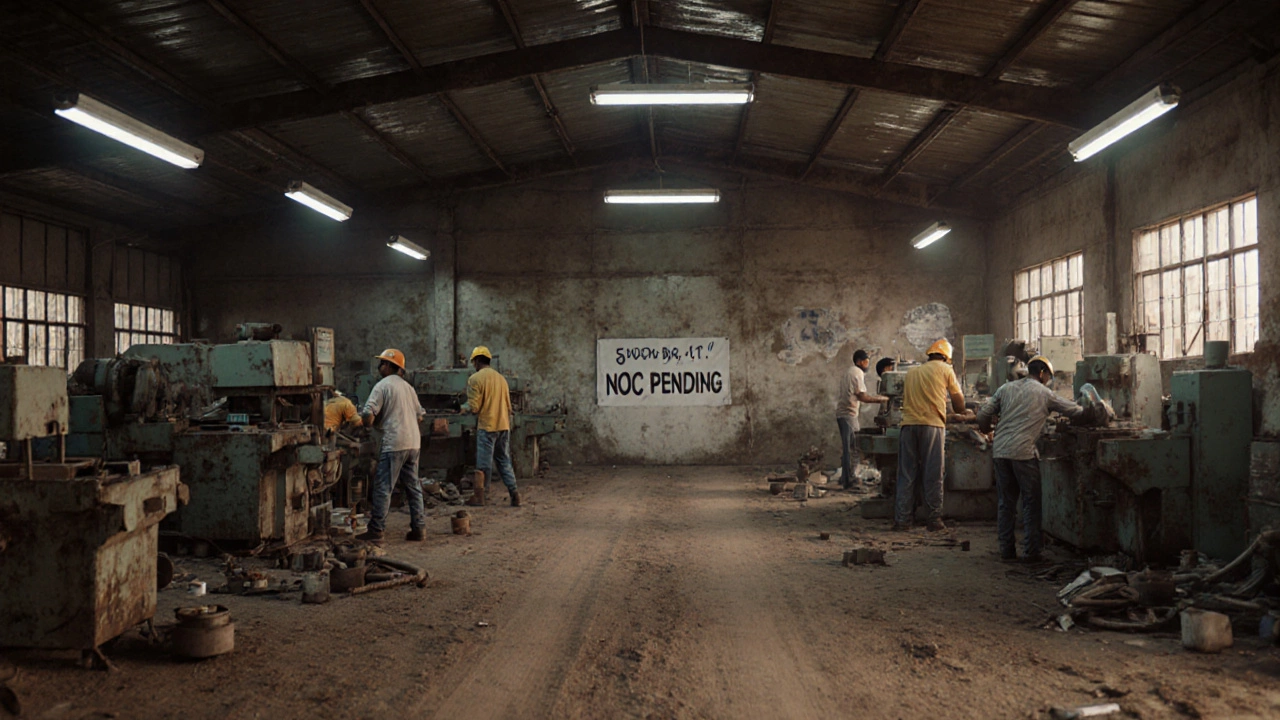
Setting up a small factory in India costs between ₹80 lakh and ₹1.75 crore, including land, machinery, permits, labor, and working capital. Learn real costs, hidden expenses, and how to reduce them legally.
View More
You can start a manufacturing business with no money by using free tools, bartering for materials, and leveraging government schemes. Learn how real entrepreneurs in India built profitable small-scale manufacturing businesses from scratch.
View More
Discover the most profitable small-scale manufacturing ideas you can launch with $100K, compare costs, margins, and learn step-by-step how to start and avoid common pitfalls.
View More
Learn what micro small scale industry (MSME) means, its classification, registration steps, government schemes, and future outlook for India's vital MSME sector.
View More
This article breaks down what really qualifies as a small scale industry and which business sectors make the list. You’ll get clear examples and learn how small scale industries are defined in terms of investment, size, and workforce. We’ll also touch on some cool facts you might not know about these businesses and share practical tips for entrepreneurs. Whether you’re just curious or planning to start something, you’ll get real answers and insights tailored for today’s market. Forget the jargon—just straightforward info, right here.
View More
In today's labor-driven market, small-scale manufacturing offers lucrative opportunities for entrepreneurs. By understanding the current demand, emerging trends, and cost-saving techniques, aspiring business owners can identify profitable avenues. Highlighting industries like eco-friendly products, personalized goods, and home-based manufacturing, this article delves into the most profitable small-scale manufacturing avenues. Practical insights and tips pave the way for ambitious ventures in the manufacturing sector.
View More
Small scale industries are crucial to economic growth, often characterized by limited capital, localized operations, and a focus on niche markets. They typically employ fewer than 50 people and prioritize adaptable business models. Understanding these industries' unique traits can reveal their impact on innovation and community development.
View More
Small scale production can be an exciting venture for budding entrepreneurs and established businesses alike. This process involves careful planning, resource management, and adaptability to succeed in the world of manufacturing. From selecting the right materials to optimizing workflows, small scale production offers unique challenges and opportunities. Here, we'll explore what really happens on the production floor and provide insights to make your journey smoother.
View More