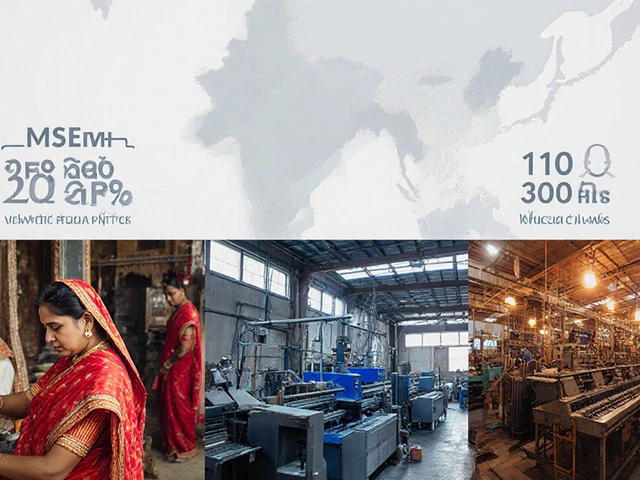
Small-Scale Manufacturing Opportunity Finder
Step 1: Define Your Profile
Recommended Manufacturing Niche
Based on your profile, this sector offers the best balance of demand and feasibility.
Result Title
Description goes here.
Pro Tip for Success
Tip content goes here.
You don’t need a massive factory or millions in capital to start a successful manufacturing business today. In fact, the biggest opportunities often lie in niche, specialized products that large corporations overlook because they aren’t scalable enough for their assembly lines. As we move through 2026, consumer habits have shifted dramatically toward sustainability, personalization, and health-conscious choices. This shift has created a goldmine for small-scale manufacturers who can produce high-quality, unique goods efficiently.
If you are looking to enter the manufacturing space with limited resources, choosing the right product is half the battle. The wrong choice leads to inventory pile-ups and cash flow nightmares. The right choice creates recurring revenue and loyal customers. Here is a breakdown of the most in-demand manufacturing products right now, specifically tailored for small-scale operations.
1. Biodegradable Packaging Solutions
The war on single-use plastics is no longer just a slogan; it is a legal reality in many regions. Governments worldwide are tightening regulations on plastic waste, forcing restaurants, e-commerce companies, and retailers to find alternatives. This regulatory pressure is the primary driver behind the explosive growth in biodegradable packaging, which includes bags, cutlery, and food containers made from natural materials.
For a small manufacturer, this is an accessible entry point. You can start by producing packaging from cornstarch (polylactic acid), bagasse (sugarcane fiber), or recycled paper. The machinery required for molding bagasse or cutting paper-based packaging is relatively affordable compared to heavy industrial presses. Moreover, the supply chain for raw materials like agricultural waste is local and inexpensive in many rural areas. Customers are willing to pay a premium for eco-friendly options, giving you healthy profit margins even at small volumes.
2. Personalized Health Supplements
The wellness industry has moved beyond generic multivitamins. Today’s consumers want supplements tailored to their specific needs-whether it’s better sleep, enhanced focus, or gut health. This trend has given rise to the manufacturing of custom herbal capsules, protein powders, and functional beverages. Unlike pharmaceutical drugs, these products face less stringent regulatory hurdles, making them ideal for small-scale producers.
You don’t need to invent new chemical compounds. Instead, focus on blending existing, proven ingredients like ashwagandha, turmeric, collagen, or adaptogens into convenient formats. For example, creating pre-mixed tea blends for stress relief or vegan protein bars with locally sourced nuts allows you to compete on quality and branding rather than price. The key here is transparency; modern buyers read labels meticulously. If you can source organic, traceable ingredients, you build trust quickly.
3. Custom Furniture and Home Decor
Mass-produced furniture often lacks character and durability. There is a growing segment of homeowners who prefer handcrafted, bespoke pieces that fit their exact space and style. This demand supports small workshops specializing in solid wood furniture, upcycled metal decor, or handmade ceramic tiles. The rise of remote work has also increased the need for ergonomic home office solutions, such as standing desks and custom shelving units.
Small-scale furniture manufacturing relies more on skilled labor than expensive automation. A team of three carpenters with CNC routers can outproduce a larger, less efficient factory while maintaining higher quality standards. You can differentiate yourself by offering customization options-different finishes, sizes, or integrated cable management systems. Social media platforms like Instagram and Pinterest are powerful tools for showcasing your craftsmanship directly to potential buyers without needing a physical showroom.

4. Organic Skincare and Cosmetics
Consumers are increasingly wary of synthetic chemicals in their skincare routines. They are seeking clean, cruelty-free, and naturally derived products. This shift has opened doors for small manufacturers to create artisanal soaps, serums, moisturizers, and hair care products. The barrier to entry is low because you can start with basic mixing equipment and essential oils, then scale up as demand grows.
The secret to success in this sector is formulation and branding. Develop unique recipes that solve specific problems, such as acne-prone skin or dryness caused by harsh weather. Use packaging that reflects your brand values-minimalist, recyclable, and aesthetically pleasing. Collaborating with local influencers or dermatologists can provide the credibility needed to stand out in a crowded market. Remember, consistency is crucial; every batch must meet the same quality standards to retain customer loyalty.
5. Electric Vehicle (EV) Components
The transition to electric vehicles is accelerating globally. While big automakers handle the cars themselves, there is a massive ecosystem of smaller components needed for EVs. Small manufacturers can produce charging station accessories, battery enclosures, wiring harnesses, or even custom parts for electric scooters and bicycles. This sector benefits from government incentives aimed at boosting green transportation infrastructure.
Manufacturing EV components requires precision but not necessarily huge factories. Injection molding machines can produce durable plastic casings for chargers, while laser cutters can fabricate metal brackets. Partnering with local EV assembly shops or repair centers can provide a steady stream of orders. As the second-hand EV market grows, there will be increasing demand for replacement parts, offering another revenue stream for small producers.
6. Smart Home Devices
Home automation is becoming mainstream. People want their homes to be smarter, safer, and more energy-efficient. This creates opportunities for small manufacturers to produce smart plugs, LED lighting controllers, security sensors, and voice-activated switches. These devices do not require complex software development if you use existing open-source hardware platforms like Raspberry Pi or Arduino.
Your value proposition lies in design, ease of installation, and localized support. Large tech companies often release products that are difficult to set up or lack regional compatibility. By focusing on user-friendly designs and providing excellent after-sales service, you can capture a loyal customer base. Additionally, integrating features like energy monitoring can appeal to cost-conscious consumers looking to reduce their electricity bills.

7. Specialty Food Products
The food industry is ripe for innovation, especially in the realm of specialty diets. Gluten-free snacks, keto-friendly meals, plant-based meat alternatives, and fermented foods like kimchi or kombucha are seeing surging demand. Small-scale food processing plants can cater to these niches effectively because they allow for flexibility in recipe development and small-batch production.
Start with a product that leverages local ingredients. For instance, if you are in a region known for spices, create ready-to-use spice mixes for exotic cuisines. If dairy is abundant, experiment with artisanal cheeses or yogurt variants. Food safety certifications are critical here, so invest time in understanding hygiene standards and labeling laws. Direct-to-consumer sales through farmers' markets or online subscriptions can help you test products before approaching retail chains.
| Product Category | Initial Investment Level | Key Success Factor | Regulatory Complexity |
|---|---|---|---|
| Biodegradable Packaging | Medium | Sustainable Sourcing | Low to Medium |
| Health Supplements | Low | Ingredient Transparency | Medium |
| Custom Furniture | Medium | Craftsmanship & Design | Low |
| Organic Skincare | Low | Brand Storytelling | Medium |
| EV Components | High | Precision Engineering | High |
How to Validate Your Product Idea Before Investing
Before you buy any machinery, you need to confirm that people actually want what you plan to make. Many entrepreneurs fail because they fall in love with the product rather than solving a customer problem. Start by conducting simple market research. Talk to potential buyers, join relevant online communities, and analyze competitors’ reviews to identify gaps.
Create a minimum viable product (MVP). This could be a small batch of handmade items or a prototype. Sell it through local markets, social media, or friends and family. Gather feedback on pricing, quality, and usability. If people are willing to pay full price and recommend it to others, you have a viable business. If not, pivot quickly without having sunk significant capital into equipment.
Scaling Responsibly: From Workshop to Factory
Once you have validated your product, the next step is scaling. However, rapid expansion can kill a small business if not managed carefully. Focus on improving processes gradually. Document every step of your production line to identify bottlenecks. Invest in semi-automated tools only when manual labor becomes a constraint.
Build strong relationships with suppliers. Reliable access to raw materials is crucial for consistent production. Negotiate favorable terms, but prioritize reliability over lowest cost. A delayed shipment can disrupt your entire schedule and damage your reputation. Additionally, consider diversifying your sales channels. Relying solely on one platform or retailer makes you vulnerable to algorithm changes or contract terminations.
What is the least expensive manufacturing business to start?
Handmade soap or candle making is often the least expensive way to start. The initial investment can be under $500 for basic molds, wax/oils, and packaging. These products have high perceived value and can be sold directly to consumers via online platforms or local craft fairs.
Do I need a license to start a small manufacturing unit?
Yes, almost all manufacturing activities require some form of registration. At a minimum, you need a business license and tax identification number. Depending on the product, you may also need environmental clearances, food safety certifications (FSSAI in India), or ISO standards for quality management. Always check local municipal regulations first.
How much profit margin can I expect in small scale manufacturing?
Profit margins vary widely by industry. Handicrafts and custom furniture can see margins of 30-50%, while commodity-like items such as packaging materials might range from 10-20%. Higher margins usually come with higher marketing costs or specialized labor requirements. Focus on gross margin initially to ensure your pricing covers variable costs.
Is it better to manufacture locally or import raw materials?
Local sourcing is generally preferred for small businesses due to lower shipping costs, faster delivery times, and easier communication. It also supports the local economy and reduces carbon footprint, which appeals to eco-conscious consumers. Import should only be considered if the material is unavailable locally or offers a significant cost advantage that outweighs logistics complexities.
Can I run a manufacturing business from home?
Many small-scale operations start from home, especially those involving crafts, food preparation, or electronics assembly. However, you must comply with zoning laws and safety regulations. Ensure adequate ventilation, fire safety measures, and separation between living and working spaces. As you grow, you may need to move to a commercial warehouse to accommodate larger equipment and staff.