U.S. Manufacturing Output Estimator
Select a primary sector and enter an investment or production volume factor (1-10) to see estimated output value.
Chemical Manufacturing
Fertilizers, plastics, pharmaceuticalsWalk into any big-box store in America today, and you might feel a wave of nostalgia-or perhaps frustration-as you scan the labels on your clothes, electronics, or kitchenware. For decades, the narrative was simple: manufacturing left the United States for cheaper labor overseas, leaving behind rusted factories and hollowed-out towns. But if you look closer at the landscape in 2026, that story is no longer the whole truth. The question isn't whether anything is made in the U.S. anymore; it's what *kind* of things are being made, where they are going, and why the tide has finally started to turn.
The short answer is yes. A massive amount of goods are still manufactured within American borders. In fact, the U.S. remains the second-largest manufacturing economy in the world, trailing only China but leading Europe and Japan combined in output value. However, the composition of that output has shifted dramatically from low-cost consumer goods to high-value, technology-intensive products. Understanding this shift requires looking beyond the headlines and diving into the data, the policies, and the real-world examples driving the resurgence of American industry.
The Numbers Behind the Narrative
To understand the current state of play, we need to separate perception from reality. While the number of manufacturing jobs in the U.S. has declined since its peak in the late 1970s, productivity has skyrocketed. This means fewer people are needed to produce more goods, thanks to automation and advanced robotics. According to the U.S. Bureau of Labor Statistics, manufacturing output hit record highs in recent years, even as employment figures fluctuated.
In 2025 alone, the U.S. produced over $2.8 trillion worth of manufactured goods. That’s not just a drop in the bucket; it’s a substantial portion of the national GDP. The key insight here is specialization. The U.S. hasn’t stopped making things; it has stopped making *cheap* things. We have moved up the value chain. Instead of competing on labor costs, American manufacturers compete on innovation, speed, and quality.
| Sector | Estimated Annual Output ($ Billions) | Key Products |
|---|---|---|
| Chemical Manufacturing | $950+ | Fertilizers, plastics, pharmaceuticals |
| Food Processing | $850+ | Packaged foods, beverages, meat processing |
| Computer & Electronic Products | $800+ | Semiconductors, servers, communication equipment |
| Machinery | $650+ | Agricultural machinery, industrial robots, turbines |
| Aerospace & Defense | $600+ | Commercial aircraft, military jets, satellites |
Notice what’s missing from the top spots? Textiles and basic apparel. Those industries did largely move offshore due to intense price competition. But the sectors that remain-and grow-are those requiring significant capital investment, skilled labor, and proximity to research hubs. This distinction is crucial for anyone trying to gauge the health of the American industrial base.
The Reshoring Revolution: Why Companies Are Coming Back
If you’ve been following business news, you’ve likely heard the term “reshoring.” It refers to the trend of companies bringing production back to their home country after previously outsourcing it abroad. This isn’t just a political talking point; it’s a strategic business decision driven by several converging factors.
First, there’s the issue of supply chain resilience. The global disruptions of the early 2020s exposed the fragility of long, complex supply chains. When ports clogged and shipping containers vanished, companies realized that having inventory sitting in a warehouse three weeks away wasn’t a luxury-it was a liability. By manufacturing closer to home, companies can respond faster to market changes and reduce the risk of catastrophic delays.
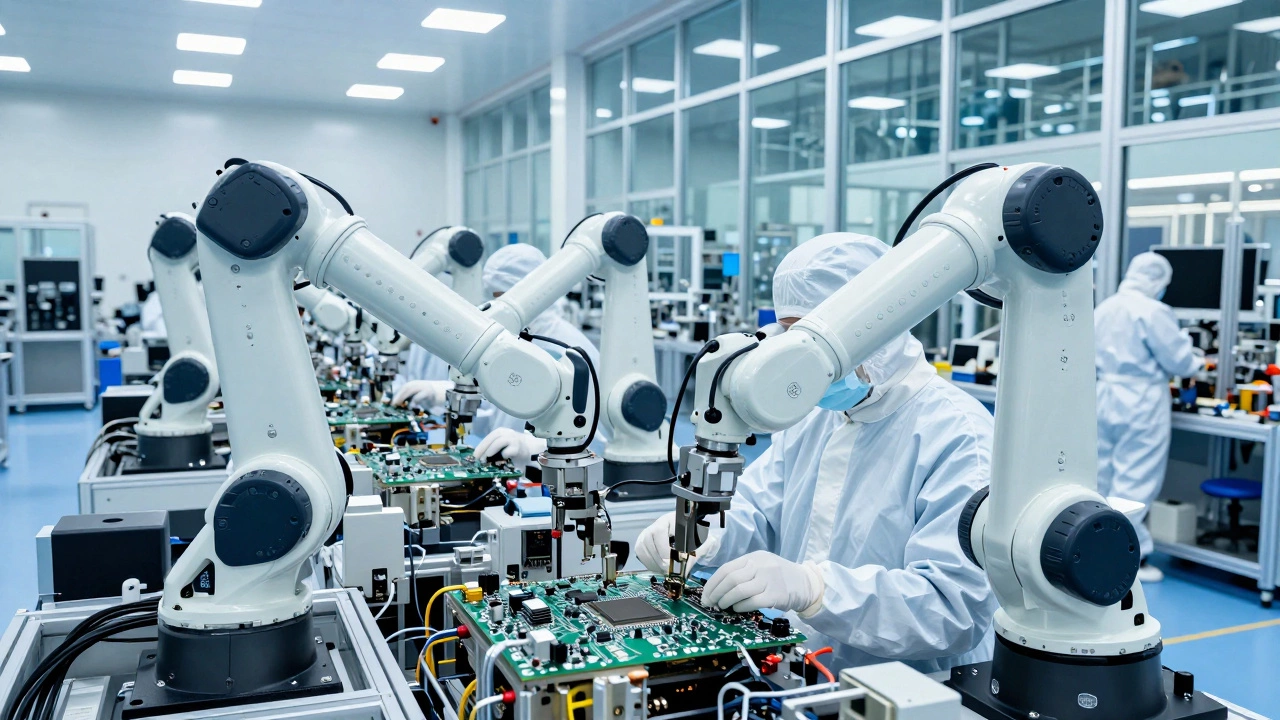
Second, automation has changed the math on labor costs. Robots don’t sleep, don’t take vacations, and don’t require healthcare benefits. As robotic systems become more affordable and flexible, the cost advantage of cheap overseas labor diminishes significantly. A factory in Ohio equipped with modern robotics can often produce goods at a comparable cost to one in Southeast Asia, while offering superior quality control and shorter lead times.
Third, and perhaps most importantly, government policy has played a pivotal role. Initiatives like the CHIPS and Science Act and the Inflation Reduction Act (IRA) have provided billions of dollars in incentives for domestic manufacturing. These aren’t just handouts; they’re targeted investments designed to rebuild critical infrastructure and secure national security interests.
For example, the CHIPS Act has spurred over $200 billion in private investment in semiconductor fabrication plants across states like Arizona, New York, and Texas. Companies like Intel, TSMC, and Samsung are building some of the most advanced chip factories in the world on American soil. This is a stark contrast to the narrative that the U.S. lost its ability to make high-tech components.
What Is Actually Being Made?
So, if you’re wondering what you can buy that’s truly made in the USA, the list is longer than you might think. It just requires looking past the fast-fashion racks and generic electronics bins.
- Pharmaceuticals: The U.S. is a global leader in drug development and production. Most prescription medications sold in America are manufactured domestically, often by major players like Pfizer, Merck, and Johnson & Johnson.
- Heavy Machinery: From tractors made by John Deere in Illinois to wind turbines assembled in Texas, heavy equipment remains a cornerstone of American manufacturing.
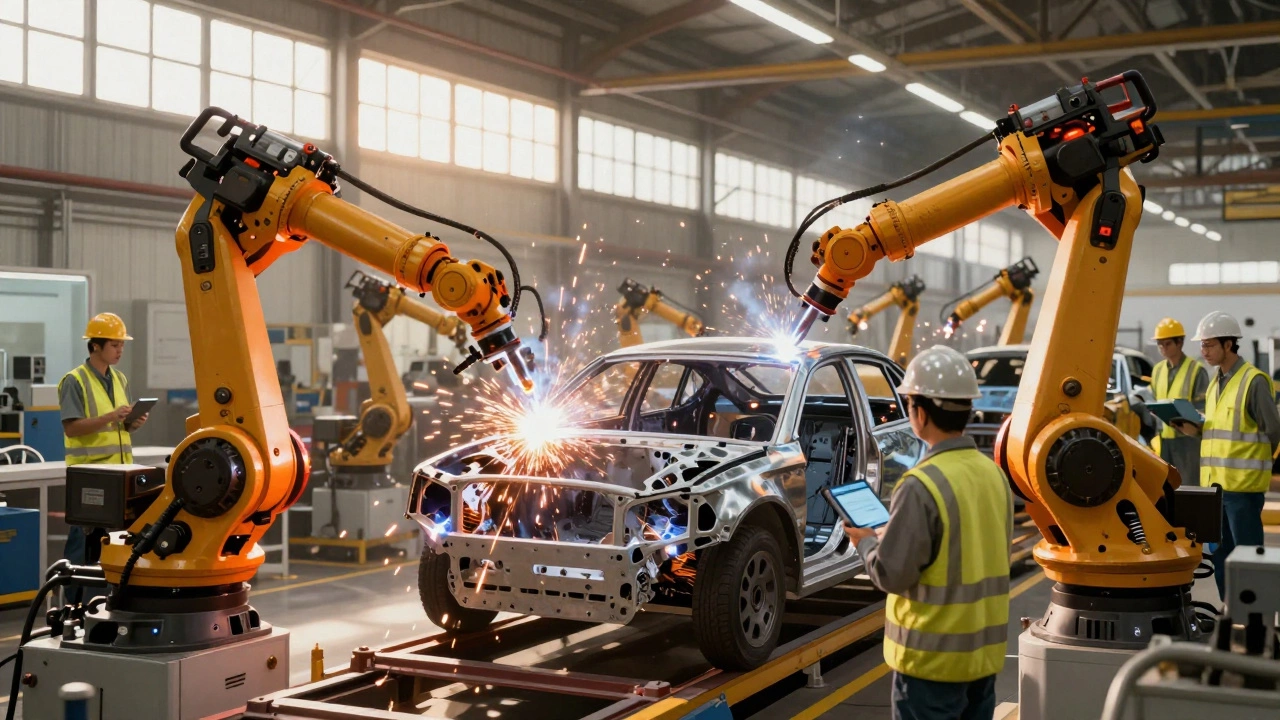
- Automobiles: While the automotive industry has seen shifts, millions of cars and trucks are still built in the U.S. Brands like Ford, General Motors, and even foreign automakers like Toyota and BMW operate extensive networks of assembly plants across the Midwest and South.
- Aerospace: Boeing and Lockheed Martin continue to build commercial and military aircraft primarily in Washington State and other key locations.
- Food & Beverage: Almost all fresh food, dairy, meat, and beverages consumed in the U.S. are processed and packaged locally. Think of brands like Coca-Cola, Kraft Heinz, and countless regional breweries.
Even in consumer electronics, there’s a growing niche for domestically produced goods. Companies like Framework Computer assemble modular laptops in California, emphasizing repairability and sustainability. While these products may carry a premium price tag, they appeal to consumers who value transparency and local economic support.
The Role of Government Schemes in Revitalizing Industry
You can’t talk about modern U.S. manufacturing without addressing the elephant in the room: government intervention. Critics argue that subsidies distort markets and prop up inefficient industries. Proponents counter that strategic investment is necessary to correct market failures and ensure national security.
The Department of Energy (DOE) and the Department of Commerce have launched numerous programs aimed at supporting small and medium-sized manufacturers. Grants for workforce training, tax credits for research and development, and loans for upgrading equipment have helped thousands of businesses stay competitive.
One notable initiative is the Manufacturing Extension Partnership (MEP), which provides technical assistance to small manufacturers. Through local centers, MEP helps companies adopt new technologies, improve efficiency, and access export markets. Since its inception, MEP has assisted over 100,000 firms, generating billions in revenue and creating tens of thousands of jobs.
Moreover, state-level governments are actively competing to attract new facilities. States like Michigan, Tennessee, and Georgia offer tailored incentive packages including land grants, infrastructure improvements, and workforce development funds. This “race to the bottom” criticism aside, the result has been a surge in new construction projects and job creation in regions that had previously struggled with economic decline.
Challenges Remain: Skills Gap and Infrastructure
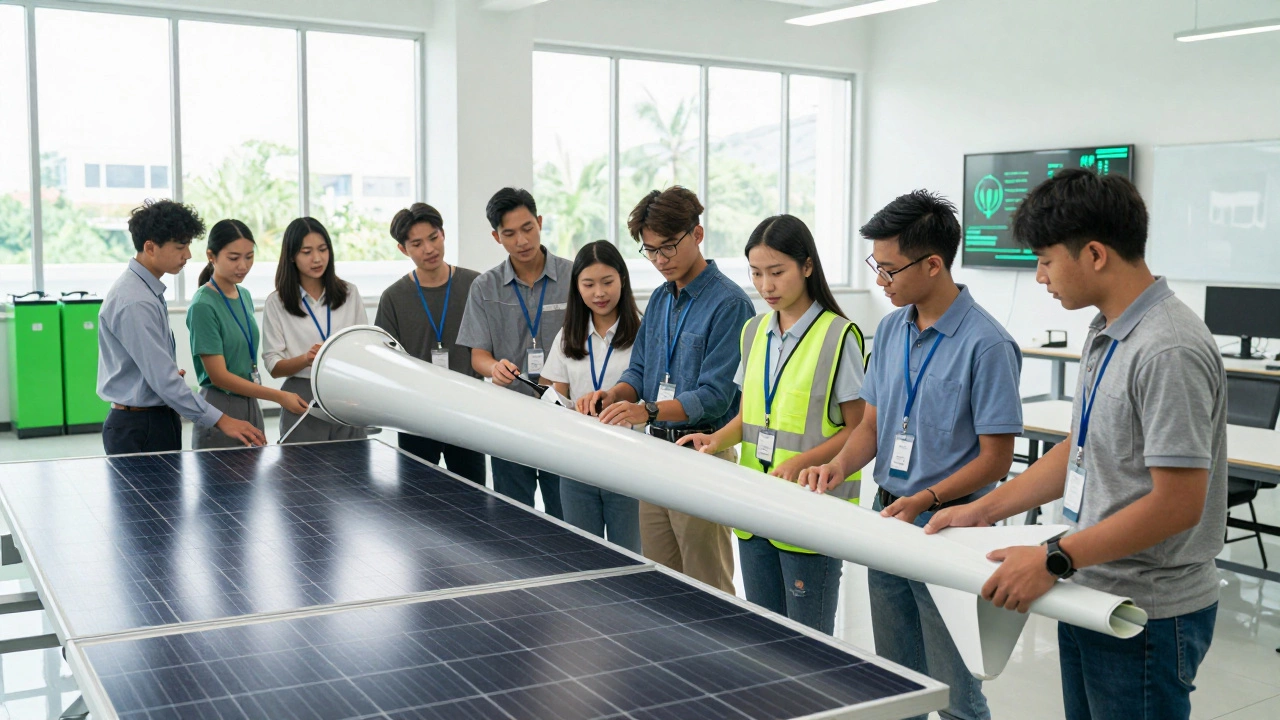
Despite the positive trends, challenges persist. One of the biggest hurdles is the skills gap. As manufacturing becomes more automated and digital, the demand for workers with specialized technical skills increases. Yet, many young Americans view factory work as outdated or undesirable, preferring service-sector jobs or higher education paths that don’t align with industrial needs.
Addressing this requires a cultural shift and robust vocational training programs. Community colleges and apprenticeship initiatives are stepping up, but scaling these efforts nationwide takes time and resources. Additionally, aging infrastructure-roads, bridges, ports, and power grids-can hinder logistics and increase operational costs for manufacturers.
Energy reliability is another concern. With the rise of electric vehicle production and data center expansion, demand for electricity is soaring. Ensuring a stable, affordable, and clean energy supply is critical for sustaining growth in energy-intensive industries like aluminum smelting and steel production.
Looking Ahead: The Future of American Making
So, is anything manufactured in the U.S. anymore? Absolutely. And not just anything-some of the most sophisticated, high-value products in the world. The era of mass-produced, low-margin goods may be gone, but the age of smart, sustainable, and secure manufacturing is just beginning.
As we move further into 2026, expect to see continued growth in sectors like biotechnology, renewable energy components, and advanced materials. The focus will increasingly be on reducing carbon footprints, enhancing supply chain transparency, and leveraging artificial intelligence to optimize production processes.
For consumers, this means more options for ethically sourced, locally made products. For investors, it signals opportunities in companies positioned at the intersection of technology and traditional industry. And for policymakers, it underscores the importance of maintaining supportive frameworks that foster innovation and competitiveness.
The next time you pick up a product, take a moment to check the label. You might be surprised to find “Made in USA” stamped right there-a testament to an industry that didn’t disappear, but evolved.
What percentage of goods sold in the U.S. are actually made in the U.S.?
While exact percentages vary by sector, approximately 40-50% of retail sales value comes from domestically produced goods when accounting for high-value items like vehicles, chemicals, and food. However, in terms of unit count, imported goods dominate categories like clothing, toys, and furniture due to lower production costs abroad.
Why are so few consumer electronics made in the U.S.?
Consumer electronics involve complex global supply chains with hundreds of components sourced from different countries. Assembly is highly labor-intensive and sensitive to cost differences. While final assembly for some premium brands occurs in the U.S., most mass-market devices are assembled in Asia where economies of scale and established supplier networks exist.
How does the CHIPS Act affect everyday consumers?
The CHIPS Act aims to secure the domestic supply of semiconductors, which are essential for everything from smartphones to cars. In the long run, this should lead to greater stability in prices and availability of tech products, reduced vulnerability to geopolitical shocks, and potentially lower costs as domestic capacity scales up.
Are there tax benefits for buying American-made products?
Generally, no direct consumer tax credits exist for purchasing American-made goods. However, certain business purchases under the Inflation Reduction Act qualify for tax incentives if they meet specific domestic content requirements, particularly in clean energy technologies like solar panels and wind turbines.
Can small businesses compete with large manufacturers in the U.S.?
Yes, especially through niche markets and customization. Small manufacturers often excel in agility, personalized service, and rapid prototyping. Programs like the Manufacturing Extension Partnership provide resources to help smaller firms adopt efficient practices and access broader markets, leveling the playing field against larger competitors.