Small-Scale Production Cost & Scalability Estimator
You’ve got a great product idea. Maybe it’s a new type of organic soap, a custom furniture piece, or a niche electronic gadget. You set up a small workshop in Chennai, hire two or three skilled workers, and start making things by hand or with basic machines. It feels exciting. But then the orders come in faster than you can handle, costs creep up unexpectedly, and your profit margins shrink to nothing. Sound familiar? This is the reality for many entrepreneurs who underestimate the limitations of small scale production.
It’s not just about working harder. Small-scale operations face structural hurdles that big factories don’t. If you’re running a micro-manufacturing unit, understanding these bottlenecks is the only way to survive and grow. Let’s break down exactly where things go wrong and what you can do about it.
The Cost Trap: Why Your Unit Price Is Always Higher
Here’s the brutal math of manufacturing: if you buy raw materials in bulk, you get a discount. If you buy them in small quantities, you pay retail prices. Large manufacturers operate on economies of scale. They buy steel, plastic, or fabric by the ton, driving their per-unit material cost down significantly. As a small producer, you might be paying 15-20% more for the exact same inputs.
This isn’t just about buying power. It’s about overhead distribution. Imagine you spend ₹50,000 a month on rent, electricity, and admin staff. If you produce 1,000 units, that’s ₹50 added to each item’s cost. If you produce 10,000 units, it drops to ₹5. Small producers often lack the volume to spread fixed costs effectively. This makes competing on price nearly impossible against mass-produced alternatives unless your product offers unique value that justifies a premium.
Labor Dependency and Skill Gaps
In large factories, processes are automated or highly standardized. In small-scale setups, quality often depends entirely on the individual worker. If your best welder calls in sick, your production line stalls. If a new employee takes three months to learn how to assemble your product correctly, your output suffers during that period.
Finding and retaining skilled labor is another headache. Big companies offer benefits, career paths, and job security. Small workshops often struggle to match this. You might find yourself training someone well, only for them to leave for a slightly better-paying job across town. This constant churn disrupts workflow and forces you to repeatedly invest time in training rather than innovation. The result? Inconsistent quality control. One batch might be perfect, while the next has minor defects because the person assembling it was having an off day.
Capacity Ceilings and Scaling Bottlenecks
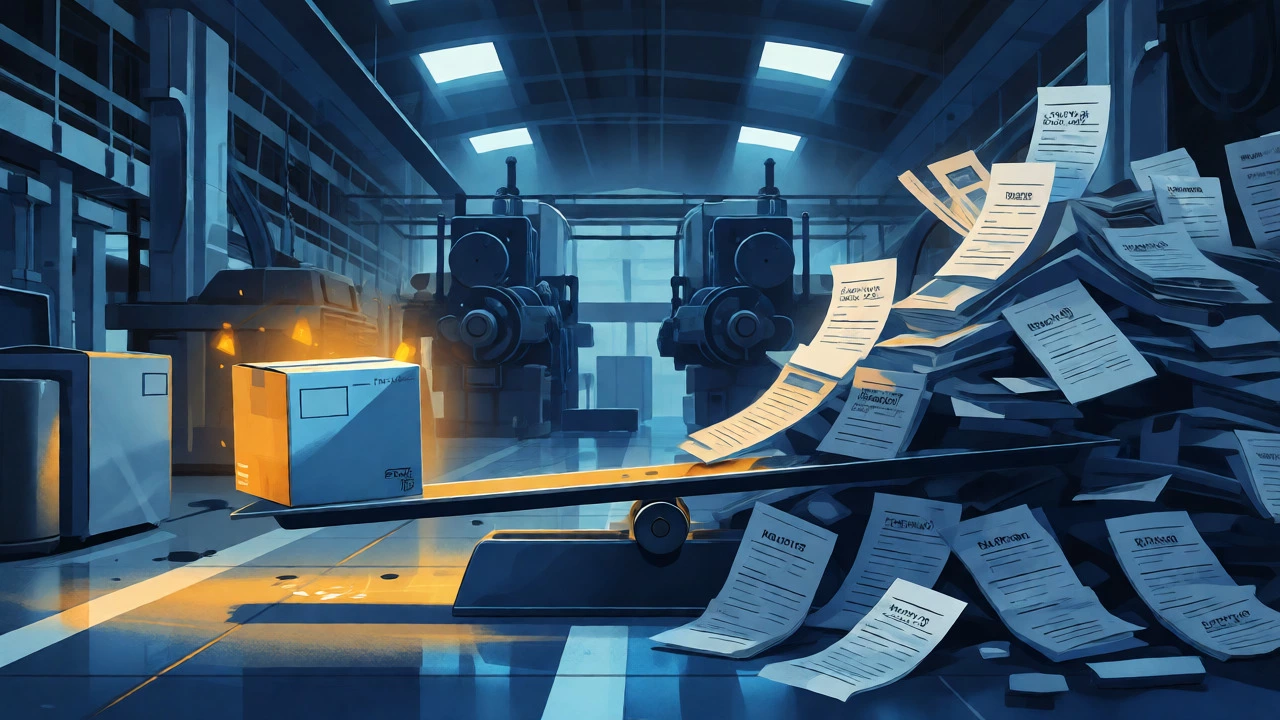
Growth is the goal, but scaling small-scale production is tricky. You can’t just double your output overnight. Physical space limits how many machines you can fit. Power supply constraints might prevent you from adding heavy-duty equipment. Hiring more people requires more supervision, which adds complexity and management overhead.
Consider a scenario where you receive a large order from a retailer. To fulfill it, you need to run overtime shifts. But overtime costs money. Or maybe you outsource part of the work to another small vendor. Now you have to manage quality control at a distance, which is difficult when you’re already stretched thin. Many small manufacturers hit a "capacity wall" where taking on more work actually reduces profitability due to inefficiencies and stress.
Technology and Automation Barriers
Automation promises efficiency, but it comes with a high upfront cost. A CNC machine that speeds up cutting by 50% might cost lakhs of rupees. For a small producer, that capital might be tied up in inventory or emergency funds. There’s also the risk of obsolescence. Technology changes fast. Investing heavily in a specific machine now might mean you’re stuck with outdated tech in five years, while larger competitors upgrade seamlessly.
Beyond hardware, there’s the software gap. Enterprise Resource Planning (ERP) systems help big firms track inventory, sales, and production in real-time. Small businesses often rely on spreadsheets or memory. This leads to errors-overstocking raw materials that tie up cash, or understocking critical components that halt production. Without data-driven insights, decision-making becomes reactive rather than proactive.

Supply Chain Vulnerability
Large corporations have multiple suppliers for every component. If one fails, they switch to another. Small producers often rely on single-source suppliers because they lack the leverage to negotiate multi-vendor contracts. If your sole supplier of packaging material faces a delay, your entire production stops.
Logistics is another pain point. Shipping small batches means higher per-unit freight costs. You don’t fill trucks; you send parcels. This eats into margins further. Additionally, payment terms are usually less favorable. Suppliers may demand upfront payment from small buyers, whereas they offer credit lines to big clients. This strains cash flow, forcing you to borrow or delay other investments.
| Factor | Small-Scale Production | Large-Scale Production |
|---|---|---|
| Raw Material Cost | High (Retail/Bulk-lite pricing) | Low (Contractual bulk discounts) |
| Overhead Distribution | Poor (High per-unit impact) | Excellent (Low per-unit impact) |
| Quality Consistency | Variable (Skill-dependent) | Standardized (Machine/Process-controlled) |
| Flexibility | High (Quick changeovers) | Low (Long setup times) |
| Cash Flow Pressure | High (Upfront payments common) | Low (Credit terms available) |
How to Turn Limitations into Advantages
So, is small-scale production doomed? Absolutely not. The key is playing a different game. Don’t try to beat giants on price. Beat them on agility and customization. Because you don’t have massive assembly lines, you can pivot quickly. Want to change a design feature? You can do it tomorrow. A big factory might take weeks to retool.
Focus on niches where personalization matters. Handmade goods, bespoke furniture, or specialized industrial parts often command higher prices because customers value uniqueness over cheapness. Use technology smartly, not expensively. Cloud-based accounting software is affordable and helps track cash flow better than Excel. Partner with other small manufacturers to buy materials collectively, mimicking some economies of scale.
Finally, build strong relationships with local suppliers. In cities like Chennai, trust networks matter. If you pay on time and communicate clearly, suppliers might offer flexible delivery schedules even without formal contracts. This informal safety net can mitigate some supply chain risks.
Why are unit costs higher in small scale production?
Unit costs are higher primarily due to the inability to leverage economies of scale. Small producers pay more for raw materials because they buy in smaller quantities, and fixed overheads like rent and salaries are spread over fewer units, increasing the cost per item.
What is the biggest operational challenge for small manufacturers?
Labor dependency is often the biggest challenge. Quality and output consistency rely heavily on individual skill levels, and finding or retaining trained workers is difficult compared to large corporations that use automation and standardized processes.
Can small scale production compete with mass production?
Yes, but not on price alone. Small scale production competes by offering customization, flexibility, and rapid prototyping. Niche markets that value unique, high-quality, or locally made products are willing to pay a premium, offsetting higher production costs.
How does cash flow affect small scale manufacturing?
Cash flow is critical because small manufacturers often lack access to favorable credit terms from suppliers. They may need to pay upfront for materials while waiting for customer payments, creating liquidity gaps that can stall production or growth.
Is automation feasible for small scale units?
Full automation is often too expensive, but partial automation is feasible. Small units can adopt affordable tools like semi-automatic machinery or cloud-based management software to improve efficiency without the massive capital expenditure required for full robotic lines.