Food Manufacturing Diagnostic Tool
Are your problems caused by bad machines or bad processes? Answer the questions below to identify the root cause of your factory's inefficiencies.
Symptom Checker
Fill out the form to see your diagnostic report.
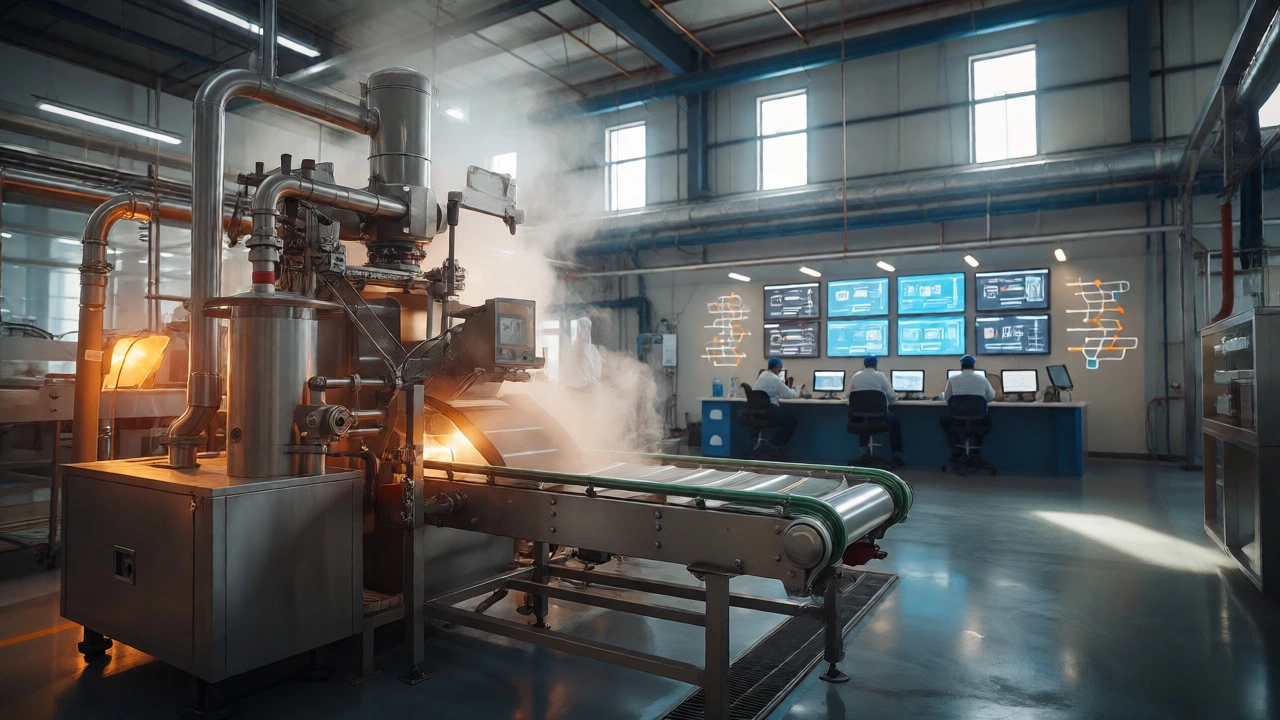
You walk into a factory floor, and you see two things everywhere: massive machines humming with power, and small control panels blinking with data. One feels like the muscle; the other feels like the brain. In food processing units, this distinction isn't just philosophical-it's the difference between a product that passes quality checks and one that gets recalled.
Many new entrepreneurs confuse the "core" of their business with the actual machinery they buy. They think buying a high-end pasteurizer means they have a solid core. But without the right integration, that machine is just expensive metal. So, what exactly separates the operational heart of your factory from the individual machines running on it? Let's break down the anatomy of a modern food plant.
The Core: Your Operational Backbone
Think of the Manufacturing Core as the central nervous system of your operation. It is the integrated set of processes, people, and protocols that define how value is created from raw ingredients to finished goods. This isn't a single piece of hardware. It’s the workflow logic.
If you’re making tomato ketchup, your core includes the recipe standardization, the supply chain for tomatoes, the hygiene protocols, and the decision-making hierarchy. It’s stable. You don’t change your core every time you upgrade a blender. The core defines why and how you produce, ensuring consistency across batches. If your core is weak-say, inconsistent supplier quality or poor staff training-even the best machines can’t save your margins.
The Processing Unit: The Muscle and Hands
In contrast, a Processing Unit is a specific physical or logical component within the production line designed to perform a distinct transformation task. Think of a washing tank, a cutter, a mixer, or an oven. Each unit has a narrow job. The washer cleans; the cutter slices; the oven bakes.
These units are modular. If your current slicer breaks, you replace it with a better model. You don’t rebuild your entire business strategy (your core) because one gear stripped. Processing units are where the rubber meets the road. They handle the kinetic energy required to change the state of the food. In India, under FSSAI guidelines, each processing unit must also meet specific sanitation standards, adding a layer of regulatory complexity to these mechanical components.
Where Confusion Happens: Integration vs. Isolation
The biggest mistake I see in Mumbai’s small-scale food factories is treating processing units as standalone islands. A factory owner buys a top-tier vacuum sealer (processing unit) but doesn’t integrate it with the packaging line speed (core process). Result? Bottlenecks. The sealer waits for products, or products pile up waiting for sealing.
Your core dictates the pace; the units execute the steps. If your core process says "produce 1000 units per hour," but your processing units are only rated for 500, you have a mismatch. The core is about capacity planning and flow efficiency. The processing unit is about throughput capability. Understanding this gap helps you decide whether to hire more staff (core adjustment) or buy faster machines (unit upgrade).
Data Flow: The Invisible Bridge
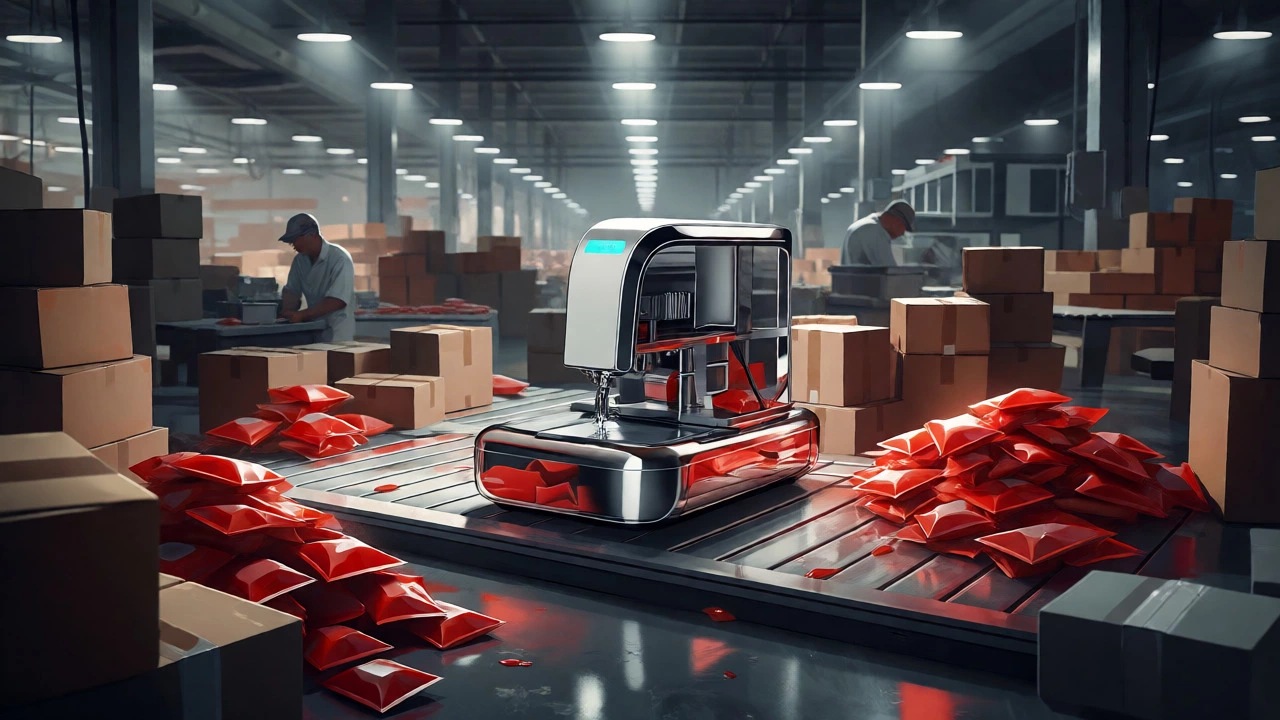
Modern food processing isn’t just about moving food; it’s about moving data. Here, the distinction blurs slightly but remains critical. The processing unit generates data-temperature logs, weight measurements, error codes. The core consumes this data to make decisions.
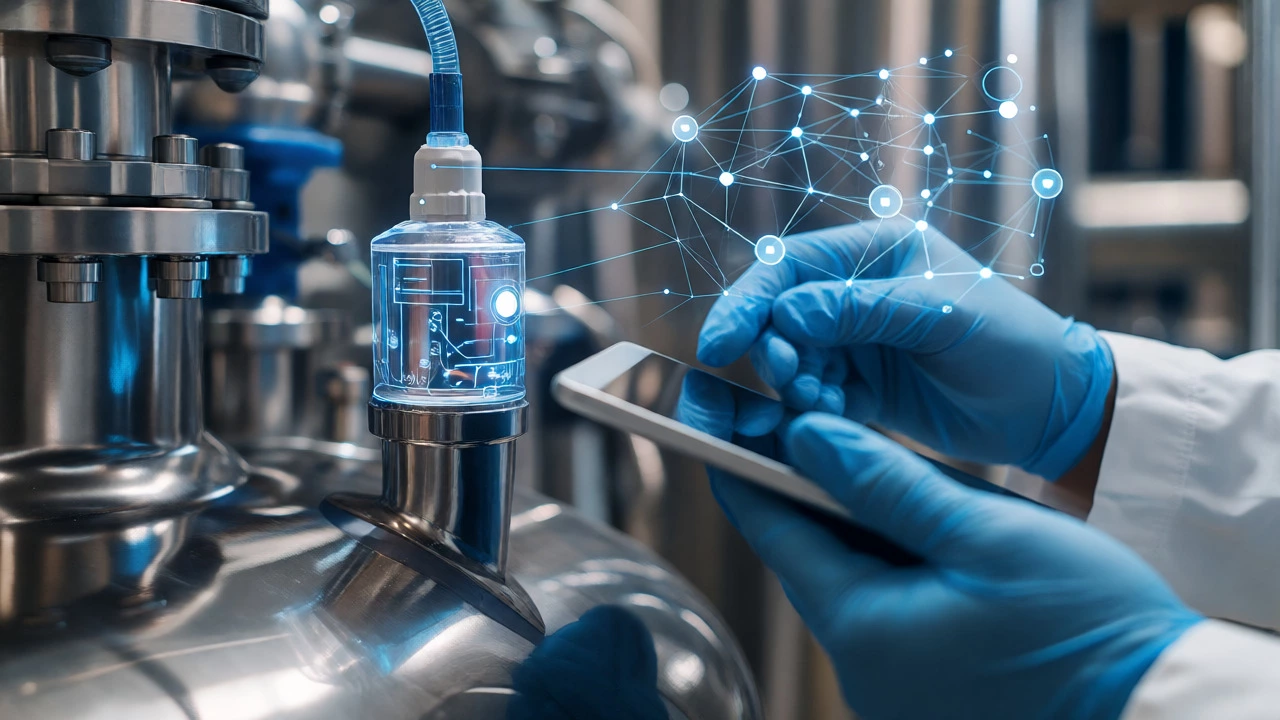
For example, if a pasteurization unit records a temperature drop below 72°C, the processing unit flags an alert. But it’s the core system-the Quality Assurance protocol-that decides whether to halt the line, re-process the batch, or scrap it. Without this feedback loop, your processing units are flying blind. Integrating IoT sensors into processing units allows the core management system to predict maintenance needs before a breakdown occurs, saving downtime costs.
Comparing Core and Processing Units
To make this concrete, let’s look at how these elements differ in practical terms. This table highlights the functional separation.
| Feature | Manufacturing Core | Processing Unit |
|---|---|---|
| Primary Function | Orchestration, strategy, and consistency | Physical transformation of materials |
| Lifespan | Long-term (years/decades) | Short-to-medium term (tech obsolescence) |
| Change Frequency | Rarely changed (strategic shifts) | Frequently upgraded or replaced |
| Cost Type | Operational & Strategic Investment | Capital Expenditure (CAPEX) |
| Failure Impact | Catastrophic (business failure) | Local (line stoppage) |
| Example | HACCP Plan, Supply Chain Logic | Pasteurizer, Conveyor Belt, Mixer |
Why This Matters for Indian Manufacturers
In India, the government pushes heavily for automation through schemes like PLI (Production Linked Incentive). Many manufacturers rush to buy automated processing units to claim subsidies. But if their core processes aren’t standardized, the automation fails. Robots need predictable inputs. If your raw material sourcing (part of the core) is erratic, your automated sorting unit will jam constantly.
Focus on stabilizing your core first. Standardize your recipes, secure reliable suppliers, and train your workforce. Then, deploy processing units that match that stability. A well-run manual line often outperforms a poorly integrated automated one. Don’t let the allure of shiny machinery distract you from the boring but vital work of process optimization.
Troubleshooting Common Mismatches
If your factory feels chaotic, ask these questions:
- Is the bottleneck in the machine or the process? If the machine is idle while waiting for staff, it’s a core issue (staffing/training). If staff is waiting for the machine, it’s a unit issue (capacity).
- Do quality issues repeat? If yes, check your core SOPs. Are instructions clear? Or is the processing unit failing calibration?
- Can you scale easily? If adding a new shift requires redesigning everything, your core lacks flexibility. Good cores allow easy scaling by adding identical processing units.
Remember, your customers don’t care about your brand of conveyor belt. They care about consistent taste and safety. That consistency comes from a strong core, executed reliably by well-maintained processing units.
Is software considered part of the core or the processing unit?
It depends on its function. ERP systems managing inventory and orders are part of the Manufacturing Core because they drive strategic decisions. However, PLC (Programmable Logic Controller) code running inside a specific machine is part of the Processing Unit because it controls immediate physical actions.
How does FSSAI impact the difference between core and units?
FSSAI regulations primarily govern the Core through mandatory documentation like HACCP plans and hygiene protocols. However, specific Processing Units must also comply with material safety standards (e.g., food-grade stainless steel) and calibration norms. Compliance is a shared responsibility but driven by core policy.
Can I change my processing units without changing my core?
Yes, absolutely. This is the benefit of modularity. You can swap a semi-automatic filler for a fully automatic one without altering your business model, recipe, or supply chain logic (your core), provided the new unit fits the existing workflow constraints.
What happens if the core is strong but units are old?
You will face higher maintenance costs and lower efficiency, but product quality may remain consistent if operators compensate manually. Profit margins shrink due to waste and labor hours, but the business survives.
What happens if units are new but the core is weak?
This is dangerous. New machines require precise inputs and skilled handling. A weak core (poor training, bad sourcing) leads to frequent jams, wasted raw materials, and potential safety hazards. High CAPEX with low ROI is common here.