Manufacturing Niche Suitability Analyzer
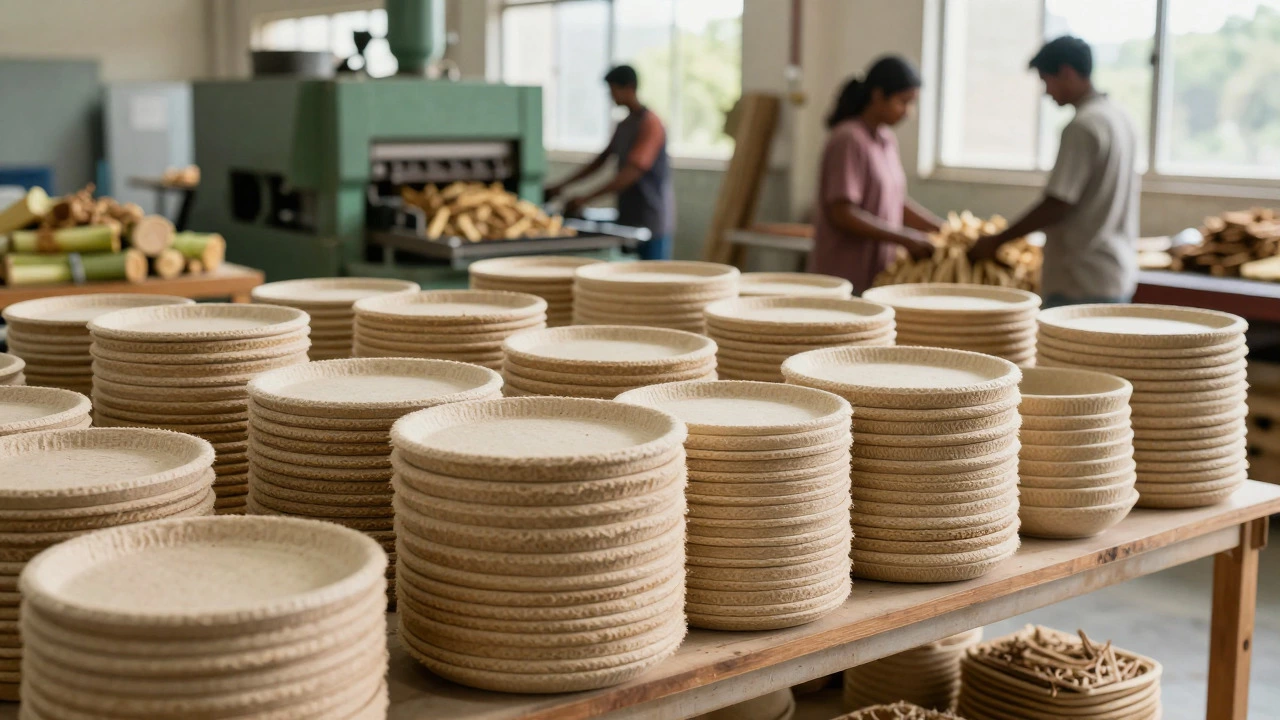
Biodegradable Packaging
High demand due to plastic bans. Requires molding machines and agricultural waste sourcing.
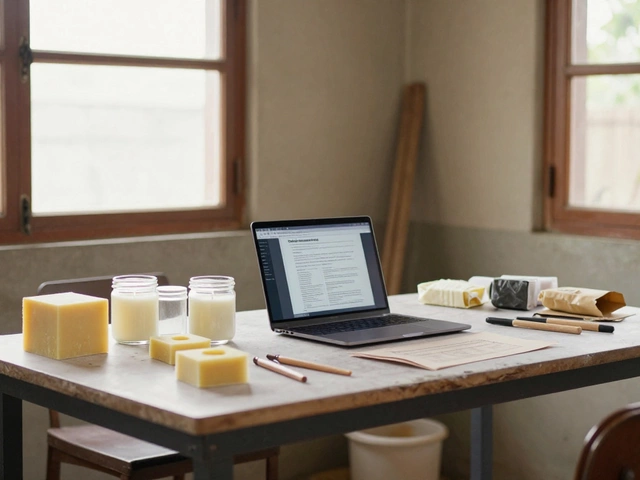
Natural Cosmetics
Transparency-driven market. Solid shampoos, vegan balms. Needs compliance focus.
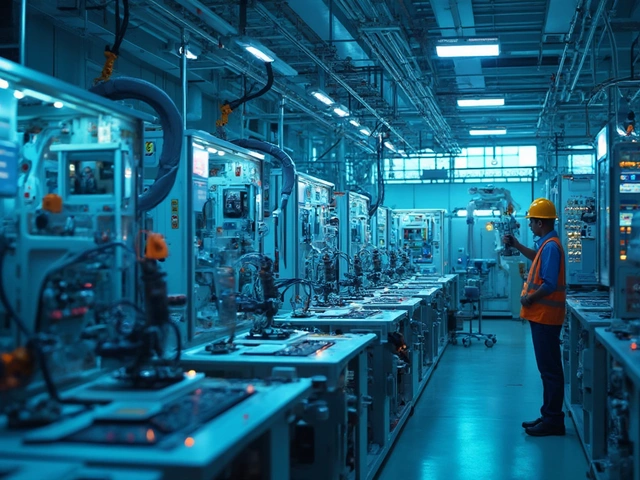
Smart Home Components
Hardware interfaces for automation. Precision assembly required. B2B focused.
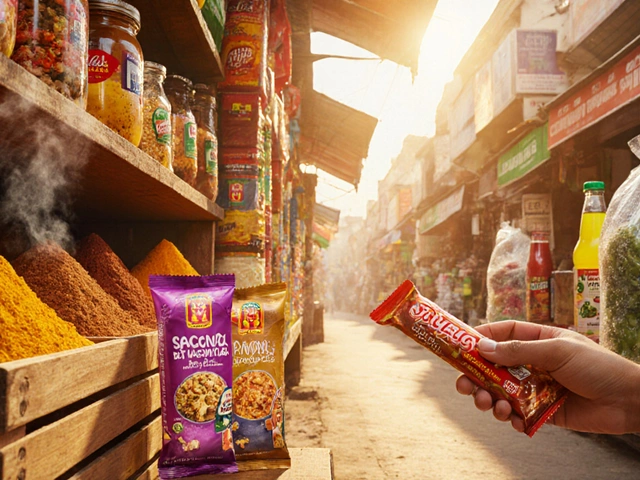
Specialty Food Processing
Processed healthy goods. Hygiene and certification are non-negotiable.
Green Construction Materials
Eco-bricks, bamboo flooring. High capital intensity but stable long-term contracts.
There is no single "magic bullet" product that guarantees success. The highest demand shifts based on location, capital, and global supply chain realities. However, certain categories consistently outperform others because they solve immediate, recurring problems for consumers and industries alike.
In 2026, the most reliable opportunities lie at the intersection of sustainability, digital integration, and essential daily needs. You don't need to build a semiconductor factory to find high-demand products. Often, the best manufacturing startups are those that produce simple, high-turnover items with consistent B2B or B2C buyers.
The Shift Toward Sustainable Packaging
Plastic bans and consumer guilt have created a massive vacuum in the packaging industry. Companies across food, cosmetics, and e-commerce are desperate for alternatives that look professional but degrade naturally. This isn't just a trend; it's a regulatory mandate in many regions.
Biodegradable Packaging is eco-friendly packaging material made from plant-based sources like cornstarch, bagasse, or PLA that decomposes within months rather than centuries. Unlike traditional plastic, which persists for hundreds of years, these materials offer a viable exit strategy for brands facing strict environmental regulations.
You can start small by producing:
- Bagasse plates and bowls (made from sugarcane residue)
- Cornstarch packing peanuts
- Paper-based mailers with water-activated glue
The barrier to entry is moderate. You need molding machines and access to raw agricultural waste. The margin is healthy because businesses pay a premium to appear green. If you can secure contracts with local restaurants or online retailers, this becomes a steady cash-flow business.
Personal Care and Natural Cosmetics
People will always wash their hair, clean their skin, and try to smell good. The twist in 2026 is the demand for transparency. Consumers read labels. They want to know exactly what goes into their bodies. This opens the door for private-label manufacturing of natural personal care products.
Natural Cosmetics is beauty and hygiene products formulated with organic, plant-derived ingredients, free from parabens, sulfates, and synthetic fragrances. These products cater to health-conscious consumers who prioritize ingredient safety over brand legacy.
This sector allows for low-volume, high-margin production. You don't need a massive factory. A compliant lab space is enough to start producing:
- Solid shampoo bars (reduces shipping weight and plastic use)
- Vegan lip balms and hand creams
- Herbal soaps with specific therapeutic claims (e.g., lavender for sleep, charcoal for acne)
The key here is branding and compliance. Ensure your formulations meet local cosmetic regulations. Partnering with influencers or selling through niche marketplaces can drive initial sales without heavy ad spend.
Home Automation Components
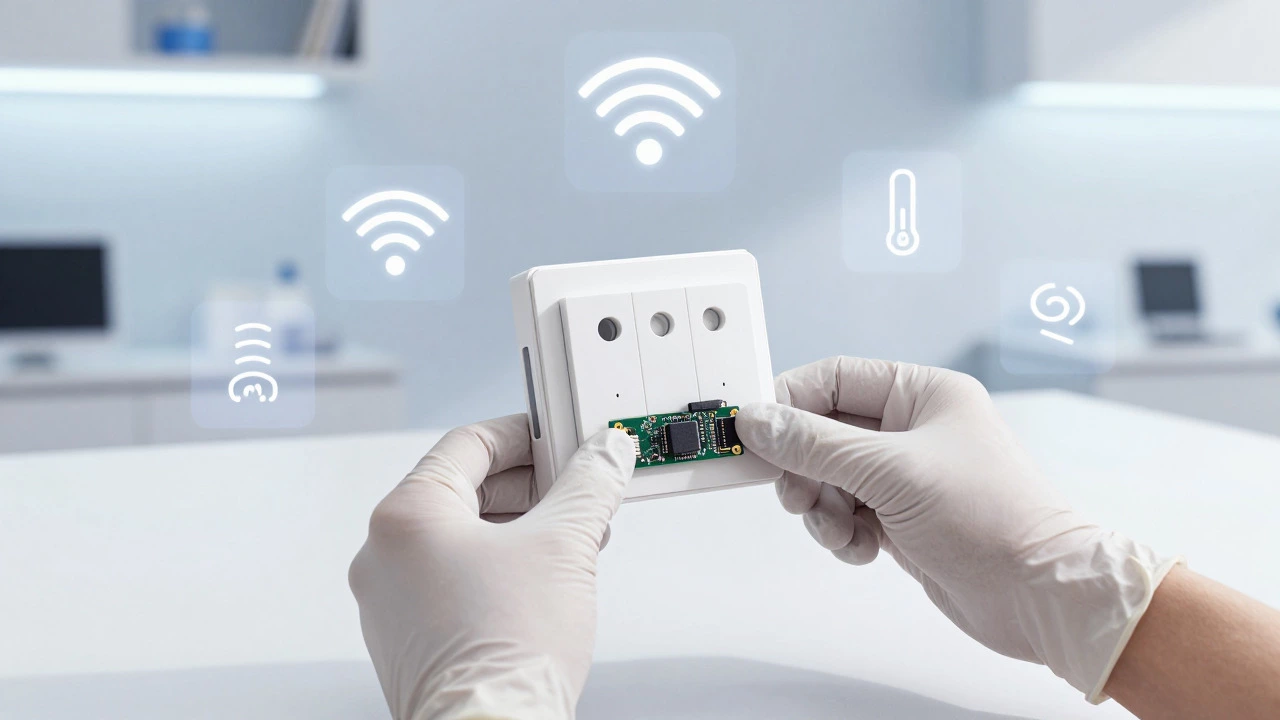
The smart home market is maturing. People aren't just buying flashy gadgets anymore; they are integrating systems. This creates demand for the small, unglamorous components that make these systems work. You don't need to design the AI algorithm; you just need to manufacture the hardware interface.
Smart Home Devices is connected household appliances and sensors that allow remote control and automation via mobile apps or voice assistants. The ecosystem relies on standardized communication protocols like Zigbee, Z-Wave, and Wi-Fi.
Consider manufacturing:
- Custom enclosures for smart switches
- Basic sensor modules (temperature, humidity, motion)
- Cables and adapters for retrofitting older homes
This requires precision assembly and basic electronics knowledge. The volume might be lower than packaging, but the per-unit value is higher. B2B partnerships with installation companies or smart home integrators can provide stable orders.

Specialty Food Processing
Food is recession-proof. But generic commodities are low-margin traps. The opportunity lies in processing raw ingredients into convenient, healthy, or exotic finished goods. Urban populations are busy and willing to pay for convenience that doesn't sacrifice nutrition.
Processed Food Products is raw agricultural ingredients transformed through cooking, drying, fermenting, or packaging into shelf-stable or ready-to-eat meals. This category includes snacks, sauces, and frozen meals.
High-potential niches include:
- Dried fruits and nuts with minimal additives
- Plant-based protein isolates (for smoothies and meat alternatives)
- Gourmet sauces and spice blends targeting specific cuisines
Hygiene and certification are non-negotiable here. Invest in proper kitchen infrastructure and obtain necessary food safety certifications early. Local farmers' markets and grocery store chains are your primary customers.
Construction Materials: Green Alternatives
Construction is booming in emerging economies and undergoing renovation cycles in developed ones. Traditional concrete and steel have huge carbon footprints. Builders are looking for lighter, stronger, and greener options.
Eco-Friendly Construction Materials is building supplies made from recycled content or renewable resources, such as bamboo flooring, hempcrete blocks, or insulated panels. These materials reduce the environmental impact of construction projects.
Products to consider:
- Interlocking eco-bricks (made from fly ash or clay)
- Bamboo composite flooring
- Recycled plastic lumber for decking and fencing
This sector often involves heavier machinery and larger spaces. However, government incentives for green building can offset initial costs. Contracting with large construction firms provides long-term revenue stability.
| Product Category | Initial Investment | Margin Potential | Market Growth | Key Challenge |
|---|---|---|---|---|
| Biodegradable Packaging | Medium | High | Rapid | Raw Material Sourcing |
| Natural Cosmetics | Low | Very High | Steady | Regulatory Compliance |
| Smart Home Components | Medium-High | Medium | Fast | Technical Expertise |
| Specialty Foods | Low-Medium | Medium | Steady | Shelf Life & Logistics |
| Green Construction | High | Medium | Moderate | Capital Intensity |
How to Validate Your Product Idea
Before buying machinery, validate demand. Don't guess. Use data.
- Check Search Trends: Use tools like Google Trends to see if interest in your product is rising, falling, or seasonal.
- Analyze Competitors: Look at Amazon Best Sellers or Alibaba trade data. Who is selling? What are the reviews saying? Are customers complaining about quality or availability?
- Talk to Buyers: Visit local businesses. Ask restaurant owners if they'd switch to biodegradable containers. Ask gyms if they'd buy branded protein shakes. Get verbal commitments.
- Start Small: Produce a minimum viable batch. Test it in the real world. Iterate based on feedback before scaling up.
Common Pitfalls to Avoid
Many manufacturing startups fail not because of bad products, but poor execution.
- Ignoring Cash Flow: Manufacturing ties up capital in inventory. Ensure you have working capital for at least six months.
- Overcomplicating: Start with one hero product. Master its production and sales before expanding your line.
- Neglecting Quality Control: One bad batch can ruin your reputation. Implement strict QC checks from day one.
- Underestimating Regulations: Whether it's food safety, chemical handling, or labor laws, compliance is expensive. Budget for it.
Next Steps for Aspiring Manufacturers
If you're serious about starting a manufacturing business, focus on solving a specific problem for a defined audience. Don't try to be everything to everyone. Pick a niche, understand the supply chain, and build a reputation for reliability.
Consider attending trade shows related to your chosen industry. Network with suppliers and potential customers. Join local manufacturing associations for mentorship and resources. The landscape changes quickly, so stay agile and keep learning.
What is the easiest manufacturing business to start with low investment?
Natural cosmetics and specialty food processing are among the easiest to start with low investment. They require minimal machinery, can be produced in small batches, and have high profit margins. Focus on a narrow niche, like handmade soaps or dried fruit snacks, to minimize initial costs.
Is biodegradable packaging still a good business idea in 2026?
Yes, absolutely. With increasing global regulations on single-use plastics and growing consumer awareness, demand for biodegradable packaging continues to rise. It's a sustainable business model with strong B2B potential from restaurants, retailers, and e-commerce companies.
How much capital do I need to start a smart home component manufacturing unit?
Starting a smart home component manufacturing unit typically requires medium to high capital, ranging from $50,000 to $200,000 depending on scale and technology. Costs include precision assembly equipment, electronic components inventory, testing tools, and potentially R&D for custom designs.
What are the biggest challenges in the food processing manufacturing industry?
The biggest challenges include maintaining strict hygiene standards, managing shelf life and logistics, complying with complex food safety regulations, and competing with established brands. Consistent quality control and efficient supply chain management are critical for success.
Can I start a manufacturing business from home?
Yes, for certain products like natural cosmetics, small-batch foods, or artisanal crafts, you can start from home. However, check local zoning laws and health department regulations. Many cities have specific requirements for home-based food or cosmetic production facilities.
Which manufacturing sector has the highest profit margin?
Natural cosmetics and specialized biodegradable packaging often have the highest profit margins, sometimes exceeding 50-70%. This is due to the premium pricing consumers and businesses are willing to pay for eco-friendly and health-conscious products, coupled with relatively low raw material costs.
How do I find buyers for my manufactured products?
Find buyers through B2B marketplaces, trade shows, direct outreach to local businesses, and online platforms like Amazon or Etsy. Building relationships with distributors and retailers is crucial. Offer samples, highlight unique selling points, and ensure reliable delivery schedules to secure long-term contracts.
What certifications are needed for manufacturing food products?
Required certifications vary by region but commonly include FDA registration (in the US), HACCP plans, ISO 22000, and local health department permits. Organic certification may also be needed if marketing products as organic. Always consult with a food safety expert to ensure full compliance.