Furniture Business Profitability Calculator
Business Parameters
Operational Expense Percentages:
Financial Analysis
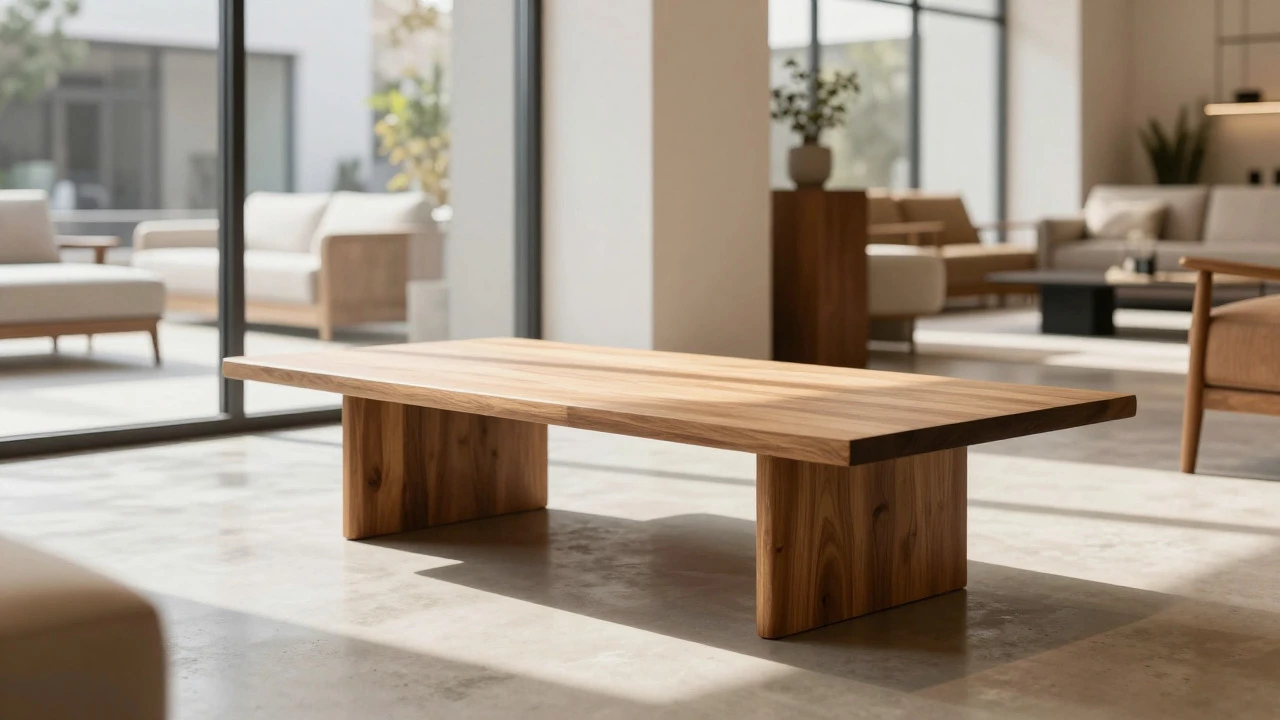
You walk into a showroom in Mumbai or Delhi, pick up a sleek wooden coffee table, and see the price tag. It’s steep. But here is the question that keeps entrepreneurs awake at night: how much of that money actually stays in the pocket of the maker? The short answer is that the furniture business in India can be highly profitable, but only if you understand where the margins hide-and where they leak away.
In 2026, the Indian furniture market is no longer just about carpenters working in small workshops. It is a multi-billion dollar industry fueled by urbanization, rising disposable incomes, and a massive shift toward organized retail. However, profitability varies wildly depending on whether you are making mass-market particle board units or handcrafted solid teak pieces. Let’s break down the real numbers, the hidden costs, and the strategies that separate struggling workshops from thriving brands.
The Big Picture: Market Growth and Demand Drivers
To understand profit potential, you first need to look at demand. The Indian furniture market was valued at approximately USD 13 billion in recent years and is projected to grow at a compound annual growth rate (CAGR) of around 8-10% through 2030. This growth isn’t random; it’s driven by specific, powerful forces.
First, there is the housing boom. With millions of new homes being constructed in tier-1 and tier-2 cities, every new apartment needs furnishing. Second, the rise of the nuclear family means smaller households buying more compact, modular furniture rather than inheriting large sets from extended families. Third, and perhaps most importantly, the "working from home" revolution has permanently changed interior needs. People are investing heavily in ergonomic chairs, standing desks, and home office storage-categories with higher perceived value and better margins than traditional living room decor.
If you enter this market now, you are riding a wave of structural demand. But demand does not equal profit. You must navigate a fragmented landscape where unorganized players still hold over 70% of the market share. Your profitability depends on how you position yourself against these low-cost competitors.
Profit Margins by Segment: Where the Money Is
Not all furniture is created equal when it comes to bottom-line results. The type of furniture you manufacture dictates your gross margin. Here is a realistic breakdown based on current industry standards in India:
| Furniture Category | Typical Gross Margin | Key Cost Drivers | Profitability Outlook |
|---|---|---|---|
| Mass-Market Engineered Wood (Particle Board/MDF) | 15% - 25% | Raw material volume, logistics, competitive pricing | Low per-unit profit; requires high volume |
| Solid Wood (Teak, Sheesham, Mango) | 30% - 45% | High raw material cost, skilled labor, drying time | Moderate volume, high brand loyalty |
| Modular Kitchens & Wardrobes | 35% - 50% | Hardware imports (hinges, slides), design software, installation | High ticket size, strong repeat business |
| Upholstered Furniture (Sofas, Beds) | 40% - 60% | Fabric/leather costs, foam quality, stitching labor | High margin, but higher return rates due to comfort issues |
| Handicrafts & Export-Oriented Designs | 50% - 70% | Artisan wages, export logistics, compliance | Niche market, premium pricing power |
Notice the trend? The more customization and technical complexity involved, the higher the margin. Selling a ready-made bookshelf from a warehouse competes purely on price. Designing and installing a modular kitchen involves consulting, measurement, engineering, and service. Customers pay for that convenience and expertise. If you are starting out, focusing on high-margin niches like modular storage or premium upholstery often yields faster cash flow than trying to compete with giants on basic beds and tables.
Startup Costs and Operational Expenses
Before you calculate profit, you must account for what goes out the door. The barrier to entry in the furniture business varies significantly based on your scale. You can start with a small workshop or invest in a full-fledged factory.
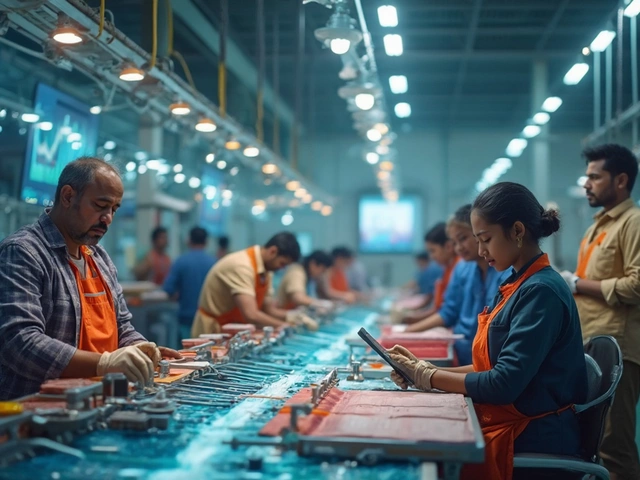
For a small-scale unit producing semi-finished goods or assembling kits, initial investment can range from ₹10 lakh to ₹25 lakh ($12,000 - $30,000). This covers basic machinery like panel saws, edge banders, and sanding machines, along with a modest workspace. However, a fully automated manufacturing unit capable of handling high-volume orders might require ₹1 crore to ₹5 crore ($120,000 - $600,000) or more, including CNC routers, spray painting booths, and inventory holding space.
Operational expenses (OpEx) are where many new businesses fail. Raw materials typically consume 40-50% of your selling price. Labor accounts for another 15-20%. But don’t forget the silent killers: logistics and wastage. Furniture is bulky and fragile. Shipping costs in India can eat up 5-10% of your margin if you don’t have efficient packaging solutions. Additionally, material wastage in cutting and finishing can add another 5% to your costs if your production process isn’t optimized.
Marketing is also a major expense. In 2026, digital marketing spend should be around 10-15% of revenue for new brands. You need Instagram ads, Google Shopping campaigns, and collaborations with interior designers to get noticed. Without visibility, even the best margins mean nothing.
Challenges That Eat Into Profits
It’s easy to get excited about high margins, but the Indian furniture industry comes with unique hurdles. Understanding these challenges is crucial for maintaining profitability.
- Fragmented Supply Chain: Sourcing consistent quality wood or hardware can be difficult. Prices for plywood and laminates fluctuate with global resin prices and local taxes. A sudden spike in raw material costs can wipe out your margin overnight if you haven’t hedged or negotiated long-term contracts.
- Skilled Labor Shortage: Finding carpenters who understand modern joinery techniques and finish quality is hard. High turnover rates mean constant training costs. Automation helps, but it requires upfront capital.
- Logistics Nightmares: Delivering a sofa across Mumbai traffic or shipping a wardrobe to a rural area involves risk. Damages during transit lead to returns, which destroy profitability. You need robust packaging and reliable courier partners.
- Unorganized Competition: Local carpenters offer lower prices because they avoid GST, electricity bills, and formal overheads. To compete, you must sell value-brand trust, warranty, design uniqueness, and after-sales service-not just product.
- Payment Cycles: If you sell to retailers or corporate clients, payment terms can stretch to 60-90 days. This ties up your working capital. Direct-to-consumer (D2C) models solve this by getting paid upfront, but they come with higher customer acquisition costs.
Strategies to Maximize Profitability
So, how do you ensure your furniture business doesn’t just survive but thrives? Here are actionable strategies used by successful manufacturers in India.
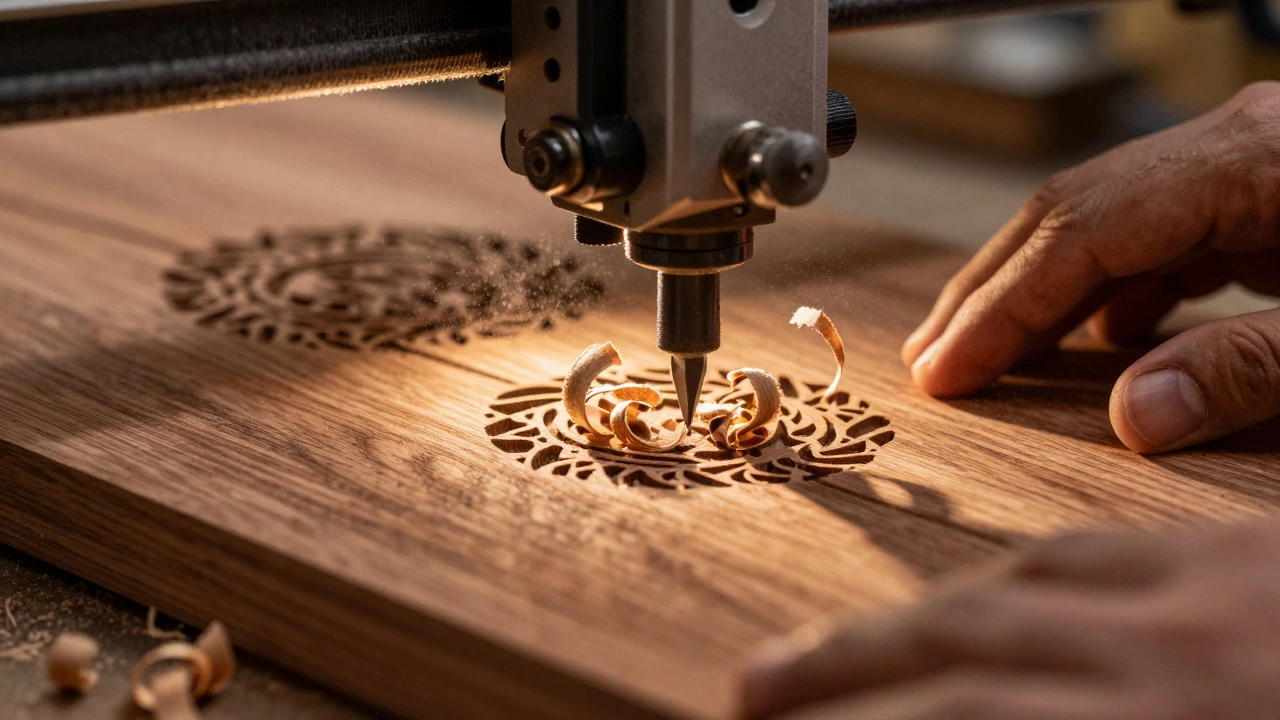
- Adopt Hybrid Manufacturing: Combine CNC automation for precision cutting with manual finishing for quality control. This reduces wastage and speeds up production without losing the artisanal touch customers love.
- Focus on D2C Channels: Selling directly online eliminates retailer markups. Platforms like Amazon India, Flipkart, and specialized D2C websites allow you to capture the full margin. Use social media to showcase behind-the-scenes craftsmanship to build trust.
- Offer Customization at Scale: Use configurator tools on your website that allow customers to choose finishes, fabrics, and dimensions. This increases average order value and reduces return rates because the product fits their exact needs.
- Optimize Inventory with Just-in-Time (JIT): Don’t stockpile finished goods. Keep raw materials and produce only when orders come in, especially for customized items. This frees up cash flow and reduces storage costs.
- Leverage Government Schemes: Look into schemes like Make in India and PLI (Production Linked Incentive) for manufacturing. These can provide subsidies on machinery, tax benefits, and easier access to credit.
- Build Strong Designer Partnerships: Interior designers influence a huge chunk of high-ticket furniture sales. Offer them commission structures or exclusive designs to get their recommendations.
Another critical factor is sustainability. Consumers in 2026 are increasingly eco-conscious. Using FSC-certified wood, non-toxic finishes, and recyclable packaging allows you to charge a premium. Green branding isn’t just good for the planet; it’s good for your bottom line.

The Role of Technology in Boosting Margins
Technology is no longer optional. It’s the difference between a hobby and a scalable business. Enterprise Resource Planning (ERP) systems help track inventory, manage orders, and monitor production efficiency in real-time. Customer Relationship Management (CRM) tools help nurture leads and encourage repeat purchases.
Augmented Reality (AR) apps are becoming standard. Allowing customers to visualize how a sofa looks in their living room before buying reduces hesitation and returns. Even simple 3D rendering services can boost conversion rates significantly. Investing in these digital tools pays for itself quickly by improving sales efficiency.
Future Outlook: Is It Still Worth It?
Despite the challenges, the outlook remains positive. The shift from unorganized to organized sectors is accelerating. Brands that offer consistency, reliability, and design innovation will continue to gain market share. The middle class is expanding, and aspirations are rising. People want homes that reflect their personality, not just functional spaces.
If you approach the furniture business with a clear niche, disciplined cost management, and a strong digital presence, profitability is very achievable. The key is to stop thinking like a carpenter and start thinking like a brand builder. Your product is not just wood and fabric; it’s an experience of comfort, style, and trust.
What is the average profit margin for a furniture business in India?
The average gross margin ranges from 20% to 50%, depending on the product type. Mass-market engineered wood furniture typically sees 15-25% margins, while modular kitchens and upholstered furniture can achieve 35-60% margins. Net profit margins after operational costs usually settle between 10% and 20% for well-managed businesses.
How much capital is needed to start a small furniture manufacturing unit?
A small-scale unit can start with ₹10 lakh to ₹25 lakh ($12,000 - $30,000) for basic machinery, workspace, and initial raw materials. Larger, automated facilities may require ₹1 crore or more. Working capital for 3-6 months of operations is also essential to cover salaries and logistics before cash flow stabilizes.
Is the furniture business profitable in tier-2 and tier-3 cities?
Yes, profitability is often higher in tier-2 and tier-3 cities due to lower operational costs like rent and labor. While average order values might be slightly lower than in metros, competition is less intense, and brand loyalty builds faster. Digital marketing allows you to reach these customers efficiently without needing physical showrooms everywhere.
What are the biggest risks in the Indian furniture industry?
Major risks include fluctuating raw material prices, high logistics costs leading to damages, skilled labor shortages, and intense competition from unorganized local carpenters. Payment delays from B2B clients can also strain cash flow. Mitigating these requires strict supply chain management, insurance, and a focus on direct-to-consumer sales.
Which furniture segment has the highest growth potential in 2026?
Modular kitchens and wardrobes, along with ergonomic home office furniture, show the highest growth potential. Urban consumers are prioritizing space-saving solutions and health-conscious workspaces. These segments command higher prices and offer opportunities for recurring revenue through accessories and maintenance services.