Chemical Processing in India: Manufacturing, Trends, and Key Players
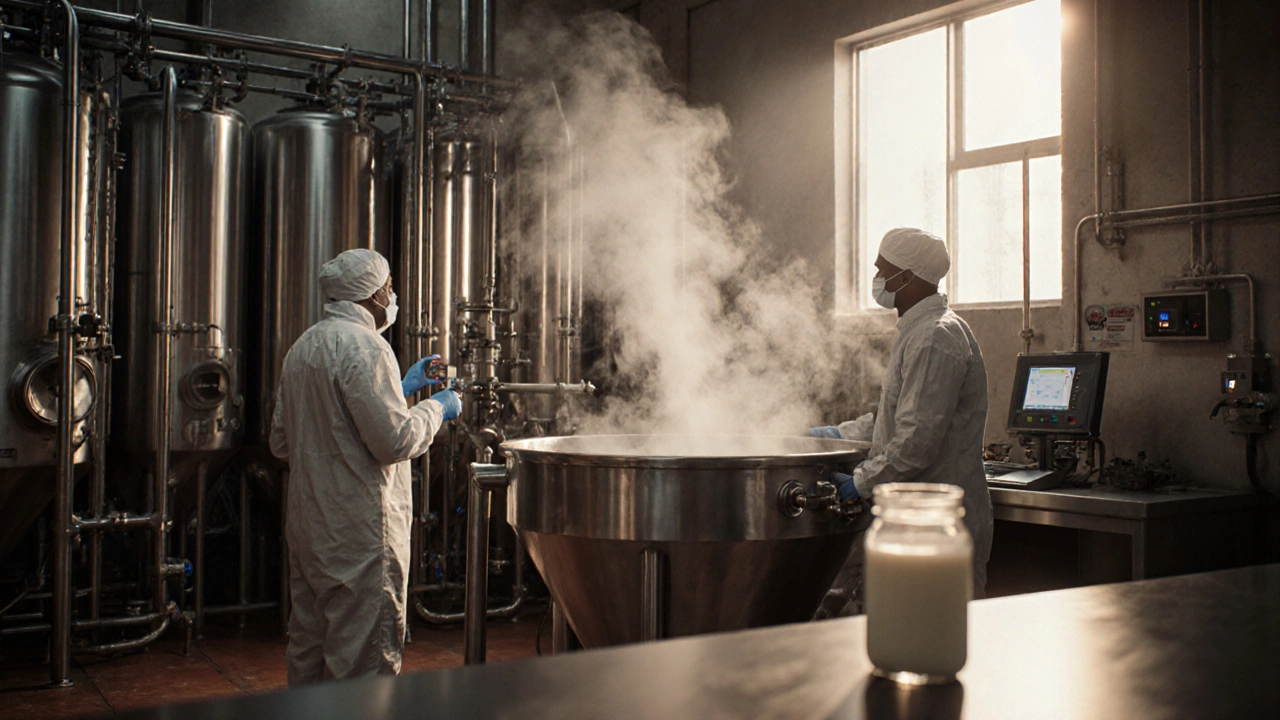
When it comes to chemical processing, the transformation of raw materials into usable chemicals for industries like pharmaceuticals, agriculture, and textiles. Also known as chemical manufacturing, it’s the hidden engine behind everything from medicines to detergents, fertilizers to synthetic fibers. In India, this isn’t just a side industry—it’s a $500 billion+ sector that’s growing fast, fueled by government support, rising domestic demand, and global supply chain shifts.
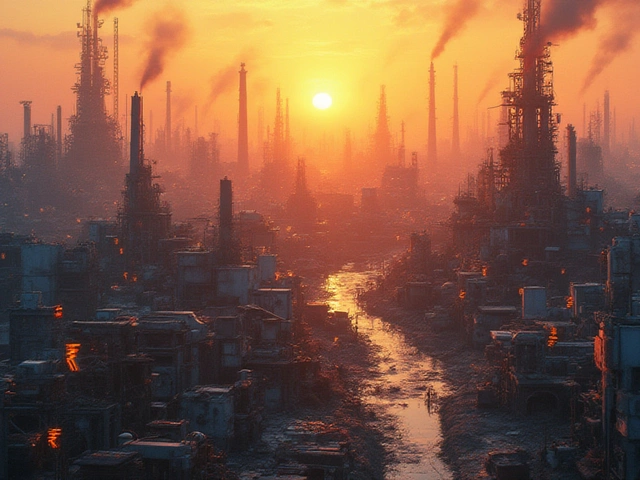
One of the biggest names in this space is Reliance Industries, Asia’s largest chemical company, operating the world’s largest integrated petrochemical complex in Jamnagar. It churns out thousands of tons of polymers, olefins, and specialty chemicals every day, supplying not just India but also markets in Europe and Southeast Asia. But Reliance isn’t alone. Hundreds of smaller players are stepping up too, especially in Gujarat, Maharashtra, and Tamil Nadu, where clusters of chemical plants thrive thanks to ports, power access, and skilled labor. These aren’t just big factories—they’re ecosystems. One plant’s waste becomes another’s raw material. A small chemical processor might supply dyes to a textile mill, which then ships fabric to global brands.
What’s driving this growth? For starters, India’s push to cut imports. The government’s Production Linked Incentive (PLI) scheme gives cash rewards to companies that make high-value chemicals locally instead of buying them from China or the Middle East. Then there’s the rise of green chemistry—companies are now investing in solar-powered plants, water recycling, and biodegradable outputs. Even small-scale manufacturers are jumping in, using schemes like MOM to scale up without huge loans. And let’s not forget the link to pharma: India makes 70% of the world’s generic drugs, and every pill needs chemical intermediates. That’s a massive, steady demand.
What you’ll find in the posts below isn’t just theory—it’s real data. You’ll see how much it costs to start a chemical plant, which companies are dominating exports, why Reliance leads the pack, and how India’s chemical industry is set to grow over the next decade. No fluff. Just clear, practical insights from the factories, labs, and policy rooms where this industry is being built.