How Many Types of Processing Units Are There in Food Manufacturing?
Discover the three main types of food processing units: primary, secondary, and tertiary. Learn how each stage transforms raw ingredients into consumer products.
View MoreIf you’ve ever wondered how the snacks you love get from raw ingredients to the shelf, the answer lies in food processing units. These are the machines, lines, and whole plants that turn grains, fruits, meat, and dairy into safe, tasty products. Think of them as the backbone of every bakery, dairy plant, and ready‑meal factory. Without the right equipment, you’d end up with inconsistent quality, higher waste, and safety headaches.
Not all food processing units are the same. Here are the most common setups you’ll see in a modern plant:
1. Mixing & Blending Lines – Used for dough, batter, sauces, and spice mixes. They keep ingredients at the right temperature and speed to avoid lumps.
2. Cooking & Extrusion Systems – From steam kettles to high‑pressure extruders, these units shape, cook, and texturize products like pasta, cereal, and pet food.
3. Cutting & Slicing Machines – Precision slicers give uniform thickness for cheese, meat, and vegetables, which improves packing efficiency.
4. Packaging Lines – Whether it’s vacuum sealing, flow‑wrap, or canning, these units protect the product from spoilage and extend shelf life.
5. Cleaning & Sanitation Modules – CIP (Clean‑In‑Place) systems rinse pipes and tanks without disassembly, saving time and water.
Picking a food processing unit isn’t just about price. Start by mapping out your product specs: batch size, required temperature range, and shelf‑life goals. Next, consider the space you have – compact modular units work well for startups, while larger continuous lines suit high‑volume producers.
Energy use is a big factor, too. Modern HVAC integration can keep rooms at optimal humidity and temperature, which reduces spoilage and improves worker comfort. Look for equipment that offers variable‑speed drives and heat‑recovery options – they cut your electricity bill without sacrificing performance.
Reliability matters. Check the maker’s service network and spare‑part availability. A machine that’s down for a week can cost more than a higher upfront price tag. Read reviews, ask for case studies, and if possible, tour a plant that already uses the model.
Finally, think about future growth. A unit with expandable modules lets you add capacity without a full rebuild. That flexibility can save you from costly upgrades when demand spikes.
In short, a good food processing unit blends efficiency, safety, and scalability. By matching the right technology to your product line, you’ll see lower waste, steadier quality, and a healthier bottom line.
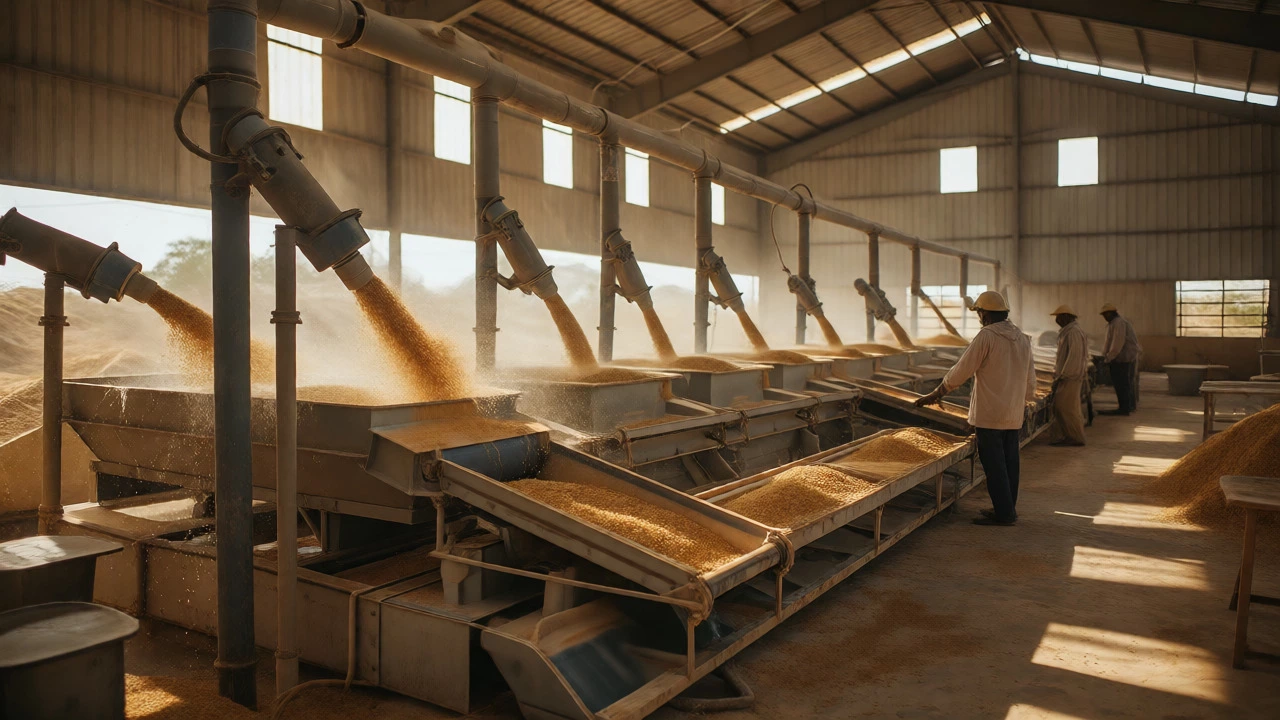
Discover the three main types of food processing units: primary, secondary, and tertiary. Learn how each stage transforms raw ingredients into consumer products.
View More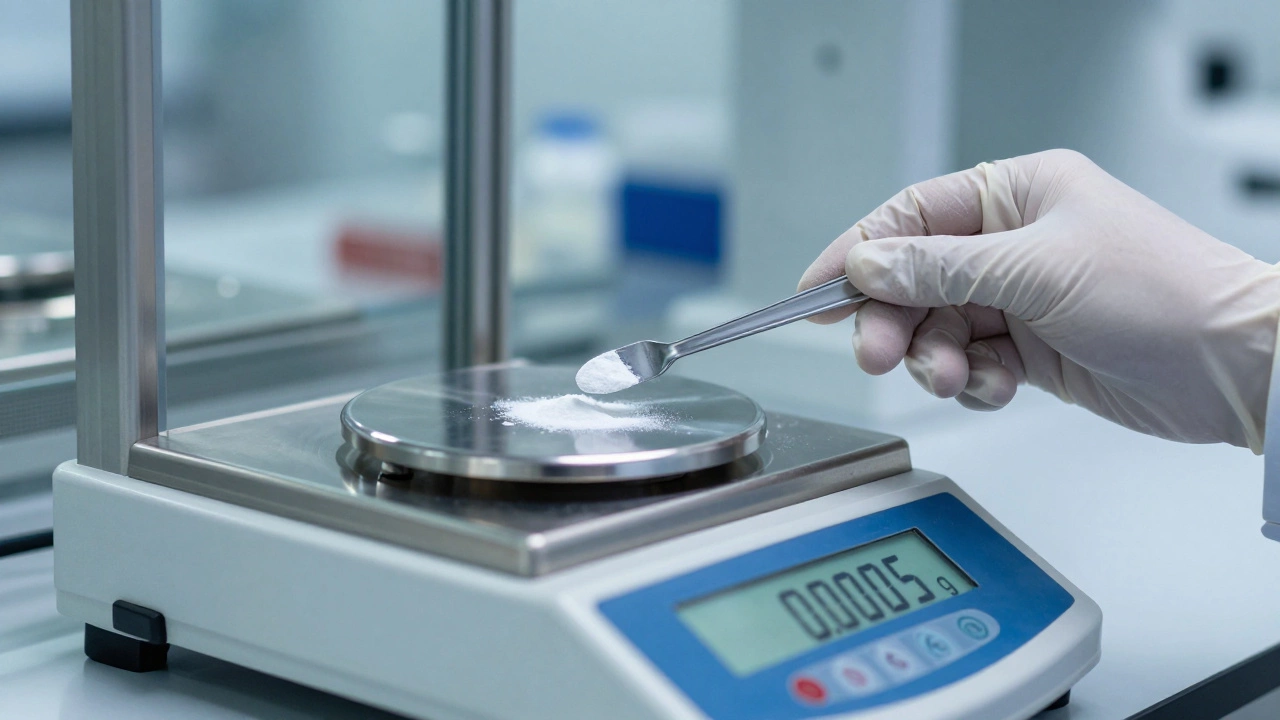
Discover what .0005 is called in food processing. Learn about micrograms, metric prefixes, and why precision matters for safety and quality in your kitchen or factory.
View More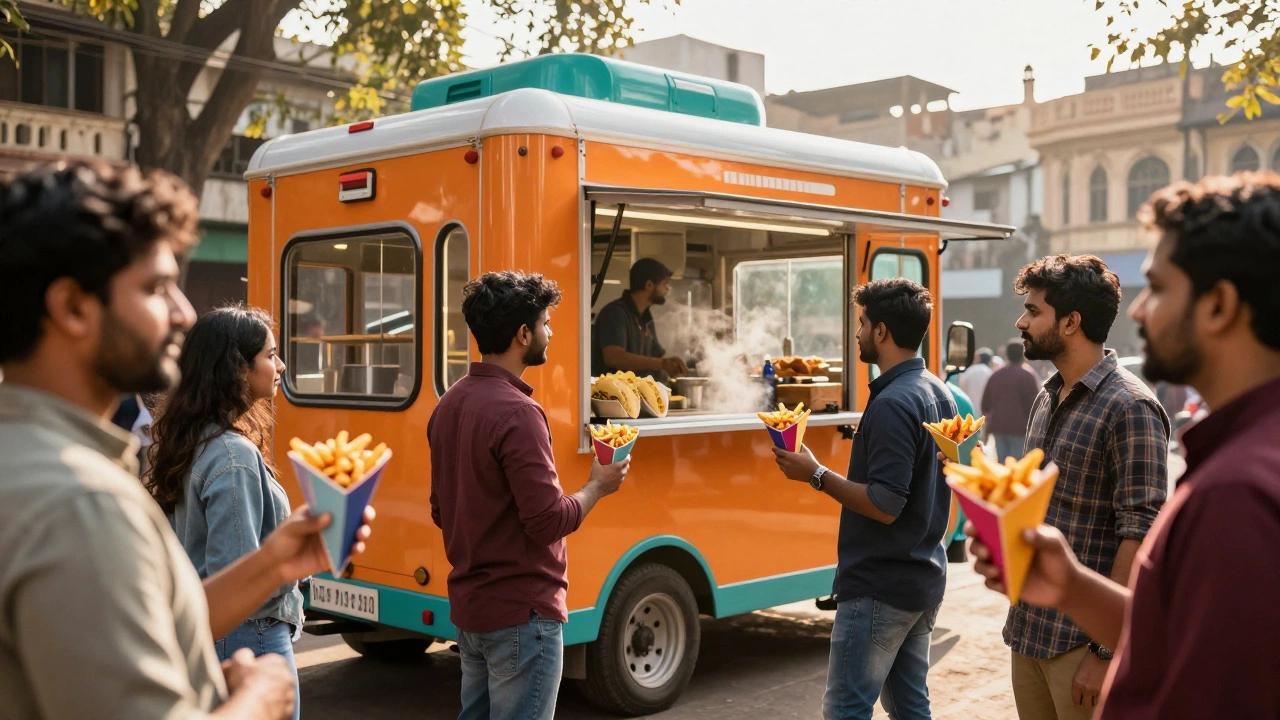
Discover the most profitable items to sell in a food truck. Learn how to maximize margins with high-demand, low-cost foods like loaded fries, tacos, and gourmet coffee. Includes practical tips on pricing, menu simplicity, and operational efficiency for 2026.
View More
Food processors can save time in the kitchen, but they have more drawbacks than most people realize. The biggest downside is their cleaning hassle, which often makes quick recipes take longer overall. This article explores why cleanup is such a pain, plus other issues like size, noise, and what tasks food processors just can't do well. You'll also get practical tips on how to make the most of your appliance. Avoid common buying regrets by understanding the real-life disadvantages before handing over your cash.
View More