Food Processing Unit Classifier
Test your understanding of the three-tier classification system in food manufacturing. Can you identify whether a specific operation is Primary, Secondary, or Tertiary?
Loading question...
You walk into a supermarket and grab a bag of frozen peas. Simple, right? But that tiny green sphere has likely passed through three or four different processing units before it hit your freezer shelf. It was harvested (primary), washed and blanched (secondary), maybe mixed with other veggies, and finally packaged under nitrogen (tertiary). If you are trying to understand the landscape of the food industry, asking "how many types of processing units are there?" is like asking how many tools are in a carpenter's box. The answer isn't just a number; it's about understanding the stages of transformation.
In the global food supply chain, particularly here in India where the sector is booming, we generally categorize these units based on the level of transformation they perform. There isn't one single universal number, but industry standards typically divide them into three main tiers: Primary, Secondary, and Tertiary processing. Each tier requires specific machinery, regulatory compliance, and technical expertise. Let's break down what actually happens inside these facilities so you can spot the difference between a mill and a ready-to-eat meal factory.
The Three-Tier Classification System
To make sense of the chaos, think of food processing as a ladder. You start at the bottom with raw ingredients and climb up to finished products. This structure helps regulators, investors, and business owners know exactly what kind of facility they are dealing with.
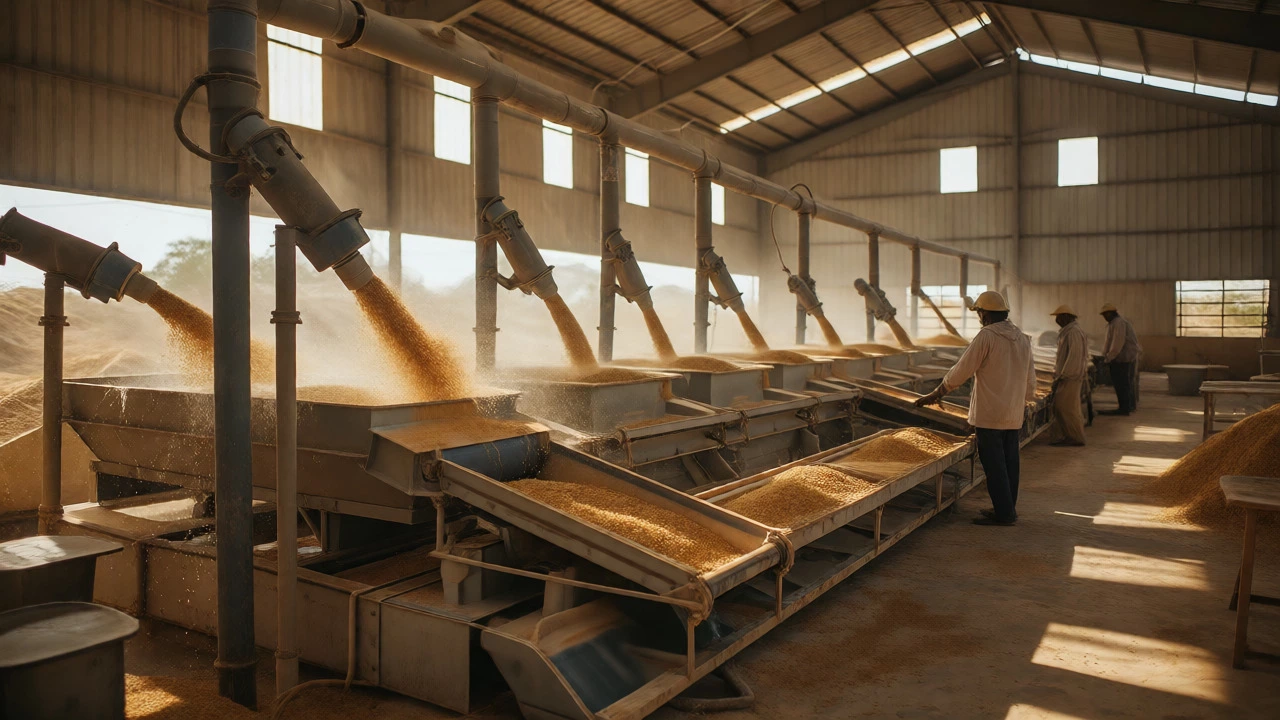
- Primary Processing Units handle the initial conversion of raw agricultural products into basic food commodities. These units don't cook or flavor much; they clean, sort, peel, cut, or grind. Think of a rice mill removing husks from paddy, or a slaughterhouse breaking down carcasses. The output is still recognizable as the original ingredient, just cleaner or smaller.
- Secondary Processing Units take those primary outputs and combine them to create intermediate products. This is where mixing, heating, and blending happen. Flour mills turning wheat into flour is borderline primary/secondary, but making bread dough or refining sugar into syrup is clearly secondary. The product changes form significantly but isn't yet ready for the consumer.
- Tertiary Processing Units produce ready-to-eat or ready-to-cook final goods. These are the factories making frozen pizzas, canned soups, chocolate bars, or bottled sauces. They use complex automation, packaging lines, and strict hygiene protocols because the product goes straight to the end-user.
Deep Dive: Primary Processing Facilities
If you drive through rural Maharashtra or Punjab, you'll see thousands of small-scale primary processing units. Their job is preservation and volume reduction. Raw crops spoil fast. A tomato left in a crate rots in two days. Processed into pulp or dried flakes, it lasts months.
Common equipment in these units includes:
- Cleaning and Washing Systems: Air jets and water sprays remove dirt and pesticides.
- Peeling and Cutting Machinery: Automated blades reduce labor costs and ensure uniform size.
- Drying Units: Solar dryers or hot-air tunnels remove moisture to prevent microbial growth.
- Milling and Grinding: Hammer mills crush grains or spices into powder.
A key insight here: Primary units often operate seasonally. A mango pulp unit runs hard during April-June and sits idle otherwise. This affects cash flow planning significantly more than in year-round tertiary plants.
Secondary Processing: The Blending Stage
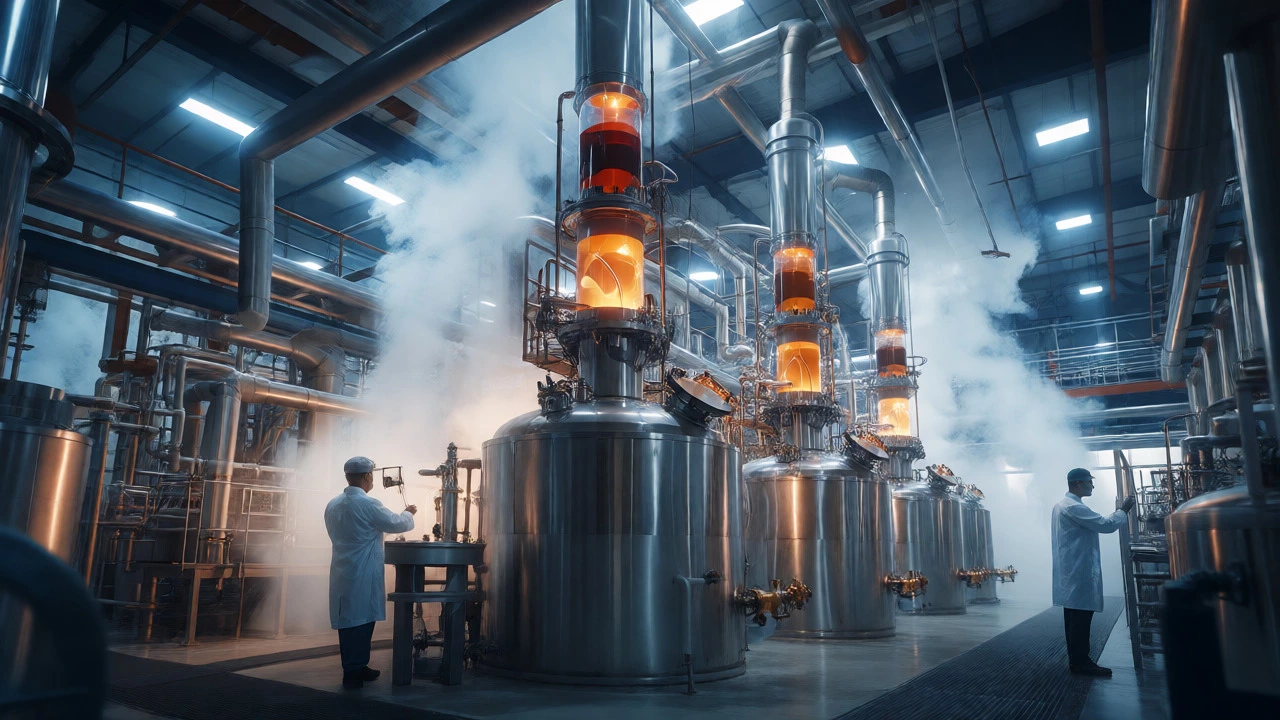
Once you have clean, basic ingredients, you need to create value-added intermediates. This is the domain of dairy plants, oil refineries, and starch manufacturers. For instance, extracting coconut oil from copra is secondary processing. You've moved beyond just drying the nut; you're now using mechanical presses and solvents to isolate the fat.
These units require more sophisticated quality control. You aren't just checking for dirt; you're testing for acidity levels, moisture content, and chemical purity. In India, the Food Safety and Standards Authority of India (FSSAI) mandates specific lab tests for these stages. If you're setting up a secondary unit, budget for laboratory infrastructure, not just production lines.
Another critical aspect is energy consumption. Secondary processes like evaporation and distillation are energy-intensive. A sugar refinery uses massive amounts of steam to boil down cane juice. Efficient boiler management can determine whether your profit margin survives the fiscal year.
Tertiary Processing: Ready-to-Eat Complexity
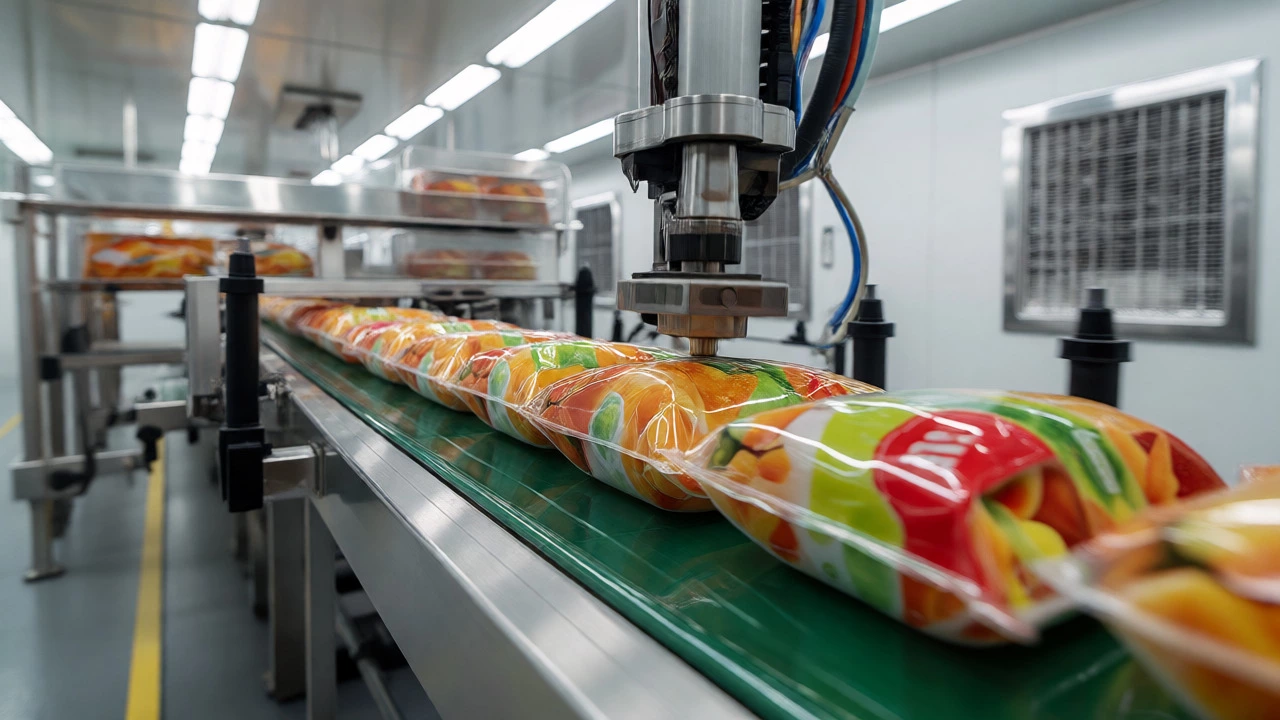
This is where the magic-and the marketing-happens. Tertiary units transform intermediate products into consumer-facing brands. Consider a potato chip factory. They buy pre-cut, dehydrated potato slices (secondary output), fry them, season them, and seal them in nitrogen-flushed bags (tertiary process).
Characteristics of tertiary units include:
- High Automation: Packaging speeds can reach 100+ packets per minute.
- Strict Hygiene Zones: Clean rooms with HEPA filters prevent contamination in open-food environments.
- Complex Supply Chains: They rely on consistent inputs from multiple secondary suppliers.
- Shelf-Life Extension: Techniques like pasteurization, UHT (Ultra-High Temperature) treatment, or vacuum sealing are standard.
Why does this matter? Because tertiary units face the highest risk of recall. One bad batch of contaminated sauce can destroy a brand overnight. Traceability systems, often digital these days, are non-negotiable here.
Comparing the Three Unit Types
Not sure which type fits your business idea? Look at the differences in capital investment, technology, and market access.
| Feature | Primary Processing | Secondary Processing | Tertiary Processing |
|---|---|---|---|
| Main Goal | Preservation & Volume Reduction | Extraction & Intermediate Formulation | Consumer Convenience & Branding |
| Typical Products | Rice, Wheat Flour, Dried Spices | Vegetable Oil, Starch, Sugar Syrup | Frozen Meals, Snacks, Beverages |
| Capital Investment | Low to Medium | Medium to High | High |
| Technology Level | Mechanical (Grinders, Dryers) | Thermal/Chemical (Presses, Refiners) | Automated Lines (Packaging, Robotics) |
| Regulatory Focus | Basic Hygiene & Grading | Chemical Composition & Additives | Labeling, Shelf-Life & Safety |
Specialized and Hybrid Processing Units
The three-tier model covers 90% of scenarios, but modern innovation blurs the lines. Some facilities integrate all three stages under one roof. A large dairy cooperative might receive milk (primary handling), pasteurize and homogenize it (secondary), and then bottle flavored yogurt (tertiary). These integrated complexes reduce logistics costs and improve freshness.
There are also niche categories worth noting:
- Freeze-Drying Units: Common in instant coffee and premium fruit snacks. They preserve nutrients better than heat drying but cost significantly more.
- High-Pressure Processing (HPP) Plants: Used for cold-pressed juices and guacamole. Instead of heat, they use pressure to kill bacteria, keeping the fresh taste intact.
- 3D Food Printing Facilities: Still emerging, these units create custom-shaped confectionery or meat alternatives for specialized diets.
Choosing the Right Path for Your Business
If you are an entrepreneur in Mumbai or elsewhere in India, your choice depends on your proximity to raw materials versus your access to consumers.
Go for Primary Processing if you are close to farms. Transportation costs drop dramatically when you process bulky raw materials locally. For example, processing coconuts in Kerala makes sense because shipping whole nuts is expensive and wasteful.
Choose Secondary Processing if you have technical expertise in chemistry or engineering. Refining oils or extracting essential oils requires skilled operators and precise temperature controls. Margins can be higher here if you optimize yield rates.
Opt for Tertiary Processing if you have strong branding and distribution capabilities. You don't need to own the farm; you need to win the shelf space. Competition is fierce, but the revenue potential per kilogram of input is highest here.
Remember, the lines are moving. As consumers demand cleaner labels and less processed foods, some tertiary units are reverting to simpler secondary-style operations. Transparency is becoming a competitive advantage.
Is milling considered primary or secondary processing?
It depends on the outcome. Removing husks from grain is primary processing. Grinding that cleaned grain into fine flour is often classified as secondary because it significantly alters the physical form and creates a new intermediate product used in baking.
Do all food processing units require FSSAI registration in India?
Yes, any entity involved in manufacturing, storing, transporting, selling, or distributing food must register with the Food Safety and Standards Authority of India (FSSAI). The type of license (Basic, State, or Central) depends on your annual turnover and capacity, not just the processing stage.
What is the biggest challenge in tertiary processing?
Shelf-life management and packaging integrity. Since the product is ready-to-eat, any breach in packaging leads to immediate spoilage or contamination. Maintaining consistent quality across high-speed automated lines is technically demanding and costly.
Can a single factory do both primary and tertiary processing?
Absolutely. Integrated plants are common in industries like dairy and meat. For instance, a poultry plant may slaughter birds (primary), debone and marinate them (secondary), and package ready-to-cook kebabs (tertiary) all within the same facility to maximize efficiency and minimize waste.
Which type of processing unit has the highest energy consumption?
Secondary processing units, particularly those involving thermal processes like evaporation, distillation, and sterilization, tend to have the highest energy bills. Sugar refineries and oil extraction plants are classic examples of high-energy intensity due to the heat required for separation.