Thermal Processing in Manufacturing: What It Is and How It Powers Indian Industry
When you think of manufacturing, you might picture robots assembling cars or workers packing goods. But before any of that happens, thermal processing, the controlled application of heat to change the physical or chemical properties of materials. Also known as heat treatment, it’s the quiet backbone of nearly every heavy industry in India. Whether it’s hardening steel for construction, annealing copper for wiring, or pasteurizing milk for daily consumption, thermal processing makes materials stronger, safer, or more usable. It’s not glamorous, but without it, your phone’s circuit board, your car’s engine block, and even the packaging your groceries come in wouldn’t work right.
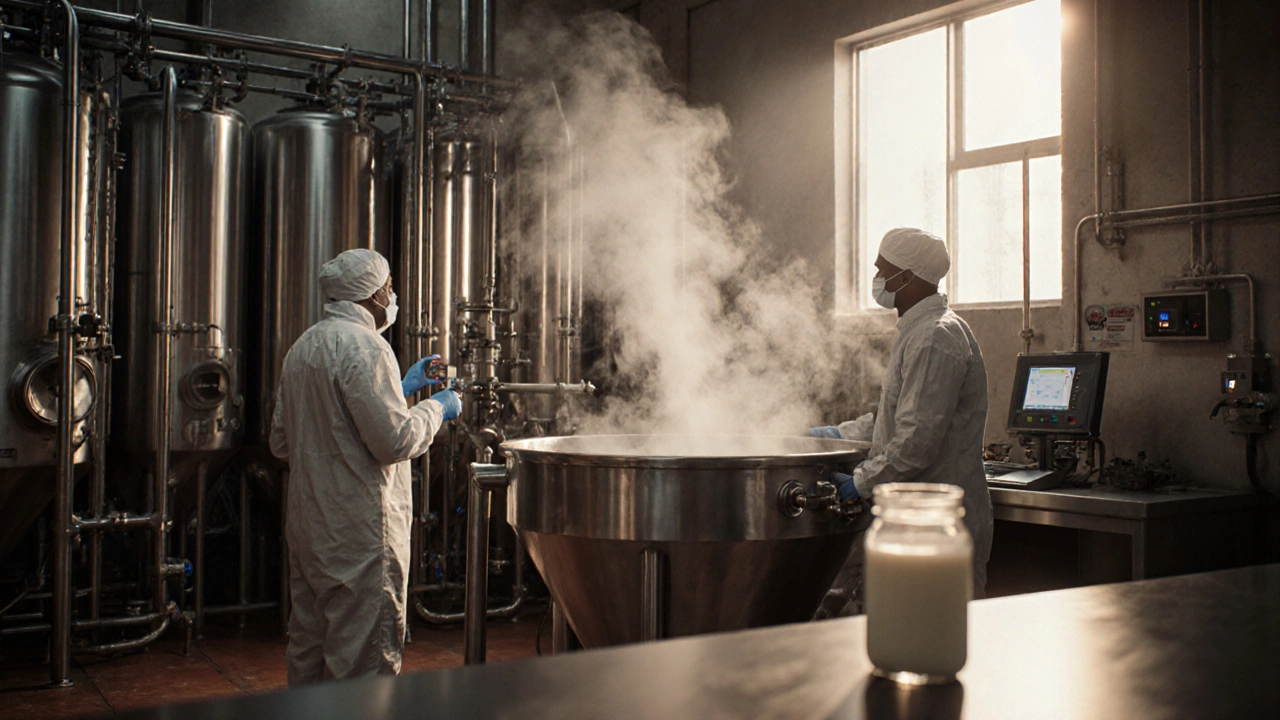
Thermal processing isn’t just one thing—it’s a family of methods. heat treatment, a subset of thermal processing used primarily on metals to alter hardness, ductility, or stress resistance. In Indian steel plants like those in Jamshedpur or Rourkela, steel billets are heated to over 1,000°C, then cooled in precise patterns to make them tough enough for bridges and pipelines. Meanwhile, in food processing units across Tamil Nadu and Punjab, thermal processing means blanching vegetables, sterilizing cans, or drying spices—keeping products safe for months without chemicals. Even plastic injection molding relies on controlled heating to melt pellets before shaping them into components for electronics and appliances. These aren’t random steps. They’re science-backed, repeatable, and often required by law or industry standards.
What’s driving growth in thermal processing here? Lower-cost energy, government schemes like MOM that reward production efficiency, and rising demand for domestic manufacturing. Factories that master thermal control don’t just save money—they reduce waste, cut rework, and meet export quality standards. That’s why you’ll find Indian manufacturers investing in smart ovens, real-time temperature sensors, and automated cooling lines—not because they’re trendy, but because they’re necessary.
Below, you’ll find real examples of how thermal processing shows up across industries—from steel mills to spice packers, from chemical reactors to food lines. No theory. No fluff. Just how it’s actually done in India today.