India Chemical Hub Finder
Select your chemical focus area to find the most suitable industrial hub in India.
Gujarat Hubs
Vadodara, Ahmedabad, Dahej
Maharashtra Hubs
Mumbai, Thane, Pune
Tamil Nadu Hubs
Chennai & Environs
Hub Details & Strategic Advantage
Key Takeaways
- Gujarat is the undisputed leader, hosting over 60% of India's chemical plants.
- Vadodara and Ahmedabad are the core urban hubs for specialty and organic chemicals.
- Dahej is the critical 'Special Economic Zone' (SEZ) for large-scale exports.
- Maharashtra (Mumbai/Thane) leads in pharmaceuticals and dye intermediates.
- Tamil Nadu (Chennai) is the go-to for leather and textile chemicals.
The Heavyweight Champion: Gujarat
If we are talking about the chemical industry in India, we have to start with Gujarat. It isn't just one city; it's a network of industrial clusters. Gujarat is the leading industrial state in India, contributing a massive portion of the country's chemical output. Why here? Because they have the perfect mix of coastline for shipping, a business-friendly government, and a legacy of entrepreneurship.
In the heart of this is Vadodara, often called the gateway to the chemical belt. This city is a hub for organic chemicals and petrochemicals. If you walk through the industrial zones here, you'll find everything from pesticide plants to complex polymer facilities. Then there is Ahmedabad, which leans heavily into dyes, pigments, and textile chemicals, feeding the city's own massive garment industry.
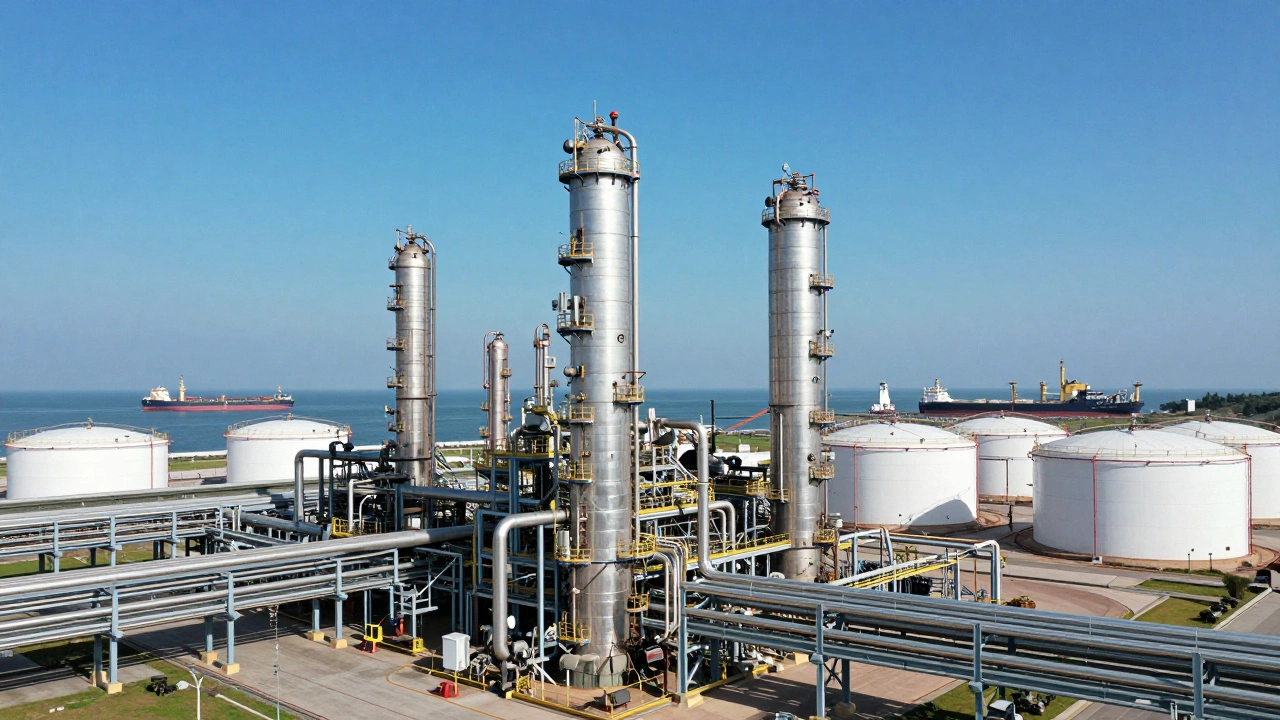
But the real game-changer is Dahej. While not a "city" in the traditional sense, this Petroleum, Chemicals and Petrochemicals Investment Region (PCPIR) is where the giants live. Companies here aren't just serving local markets; they are shipping bulk chemicals to Europe and the US. The sheer scale of the infrastructure-deep-water ports and dedicated pipelines-makes it an impossible place for competitors to ignore.
Maharashtra: The Pharma and Specialty Powerhouse
While Gujarat has the volume, Maharashtra has the variety and the high-value stuff. The region surrounding Mumbai and Thane acts as the financial and strategic nerve center. Here, the focus shifts toward Specialty Chemicals, which are chemicals produced in smaller volumes but for very specific functions, like high-end fragrances or electronic-grade chemicals.
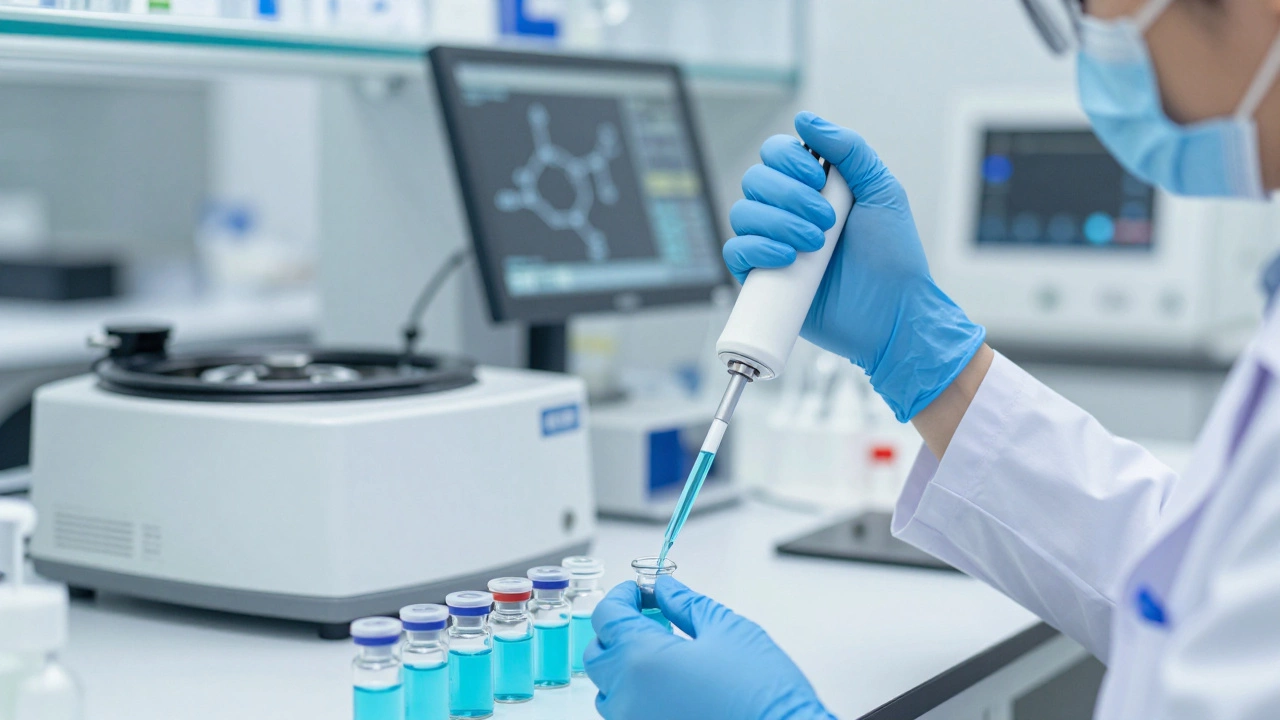
The Pharmaceuticals sector is where Maharashtra really shines. Between Mumbai and Pune, you'll find a dense concentration of R&D centers and API (Active Pharmaceutical Ingredient) plants. These facilities take raw chemical precursors and turn them into the life-saving drugs we see in pharmacies. It's a more "refined" side of chemistry compared to the bulk refinery work found in Jamnagar.
The Southern Hub: Chennai and Beyond
Moving south, Chennai emerges as a critical node. However, the flavor of chemistry here is different. Chennai's chemical industry is tightly linked to its other strengths: automotive and textiles. You'll find a lot of manufacturers focusing on tanning chemicals for the leather industry and specialized coatings for the "Detroit of Asia" (the car plants in the region).
The proximity to the port allows Chennai to import raw materials efficiently and export processed chemicals to Southeast Asia. It's less about the massive refineries of the west coast and more about value-added chemistry that supports other manufacturing sectors.
| Region/City | Primary Focus | Key Advantage | Scale |
|---|---|---|---|
| Gujarat (Vadodara/Dahej) | Petrochemicals & Bulk Chemicals | Port access & SEZ infrastructure | Massive |
| Maharashtra (Mumbai/Thane) | Pharmaceuticals & Specialty | R&D and financial capital | High Value |
| Tamil Nadu (Chennai) | Tanning & Automotive Chemicals | Integration with Leather/Auto | Regional/Export |
Why These Cities Became Hubs
It's not an accident that these specific areas exploded. First, there's the "Agglomeration Effect." Once a few big plants set up shop, the smaller suppliers move in. A company making plastic bottles wants to be right next to the company making the resin. This creates a tight ecosystem where logistics costs are slashed because the raw material is only five miles away.
Water access is the second big factor. Chemical plants are thirsty. They need massive amounts of water for cooling and processing. Cities on the coast or near major river basins (like the Sabarmati in Gujarat) have a natural advantage. Then there's the regulatory environment. Gujarat, for example, has spent decades streamlining permits for industrial land, making it much faster to break ground on a new factory there than in other states.
The Shift Toward Green Chemistry
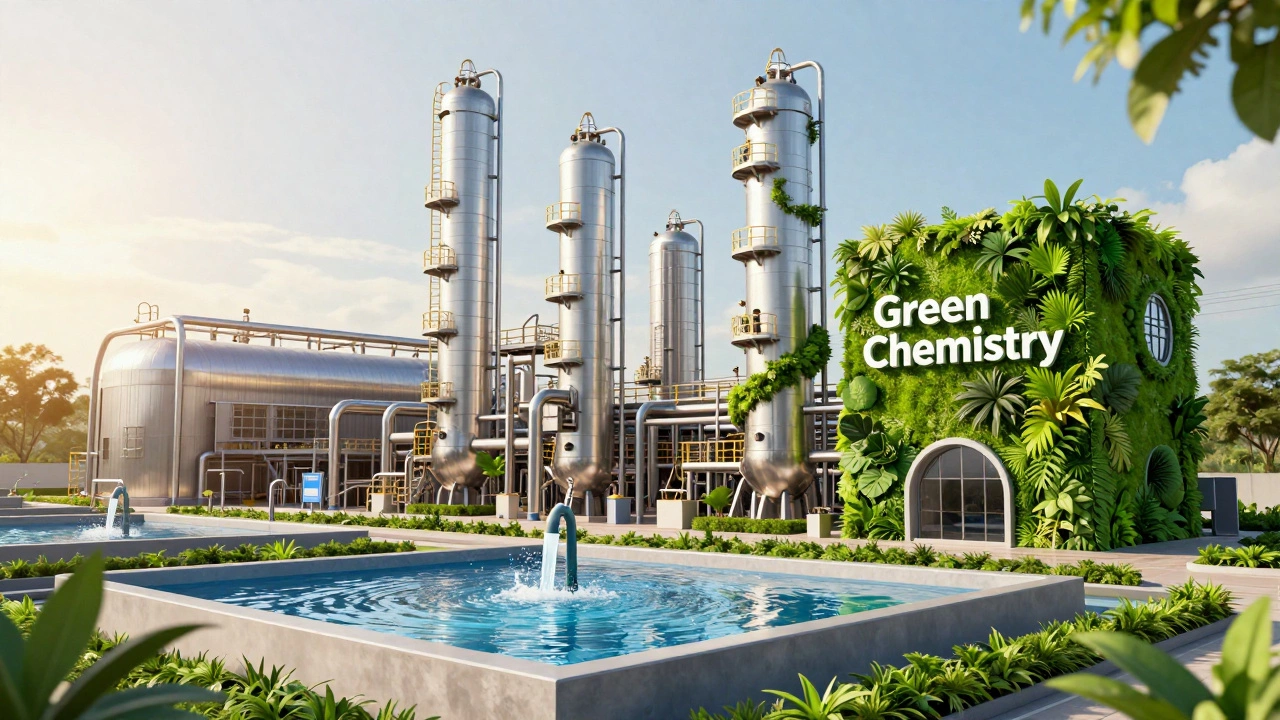
For a long time, these hubs were just about production volume. But things are changing. The new trend is Green Chemistry, which focuses on reducing hazardous substances. You'll notice a lot of the new plants in the Dahej and Thane belts are investing in waste-water treatment plants and carbon capture technologies.
The pressure is coming from two sides: strict environmental laws (like those from the Central Pollution Control Board) and global buyers. If a European company wants to buy chemicals from India, they now demand a "green footprint." This is pushing Indian manufacturers to move away from old, dirty processes and toward sustainable catalysts and bio-based feedstocks.
Common Pitfalls for New Entrants
If you're looking to start a business in this sector, don't just pick a city based on a map. One huge mistake is ignoring the "Zoning Laws." You can't just rent a warehouse and start mixing chemicals. You need to be in a designated industrial area with the correct effluent treatment plant (ETP) connectivity. Trying to operate outside these zones leads to immediate shutdowns by local authorities.
Another trap is underestimating the logistics of hazardous materials. Moving a tank of sulfuric acid isn't like moving a shipment of t-shirts. You need specialized transporters and permits. This is why staying within established hubs like Vadodara or Thane is actually cheaper in the long run-the infrastructure for dangerous goods is already there.
Which is the single most important city for chemicals?
While no single city holds a monopoly, Vadodara in Gujarat is widely considered the heart of the industry due to its concentration of organic and inorganic chemical plants and its central location in the Gujarat chemical belt.
Is Maharashtra better for pharmaceuticals than Gujarat?
Maharashtra, particularly the Mumbai-Pune corridor, has a slight edge in high-end R&D and specialty pharma, though Gujarat is often stronger in the bulk production of APIs (Active Pharmaceutical Ingredients).
What is Dahej and why is it famous?
Dahej is a major industrial port and Special Economic Zone (SEZ) in Gujarat. It is famous for hosting massive petrochemical complexes and offering tax incentives and world-class logistics for exporters.
What chemicals are mainly produced in Chennai?
Chennai focuses heavily on chemicals supporting the local leather industry (tanning agents) and the automotive sector (polymers, paints, and specialized coatings).
Are there any other emerging hubs in India?
Yes, states like Andhra Pradesh and Odisha are developing new chemical clusters near their coastlines to attract investment away from the overcrowded western hubs.
Next Steps for Industry Exploration
If you are a student or a budding entrepreneur, the best way to understand this landscape is to look at the PCPIR (Petroleum, Chemicals and Petrochemicals Investment Regions) guidelines. These documents show exactly where the government is putting its money and where the next big infrastructure projects are happening.
For those looking for jobs, focus on the "Golden Corridor" in Gujarat. The demand for chemical engineers and supply chain experts in Vadodara and Dahej remains consistently high. If you're into research, the Thane-Mumbai belt is where the most innovative specialty chemistry labs are currently operating.