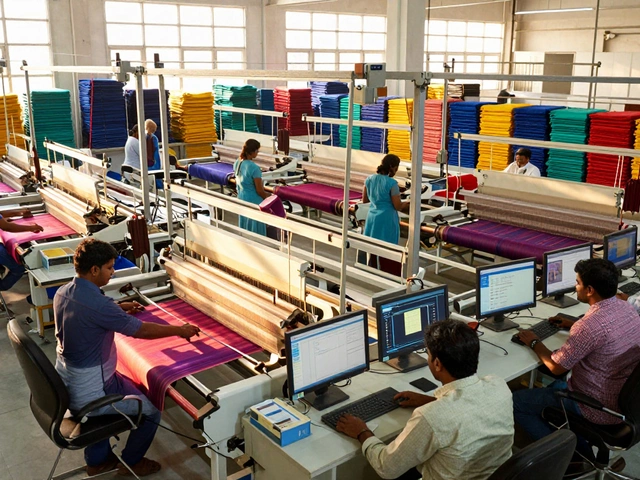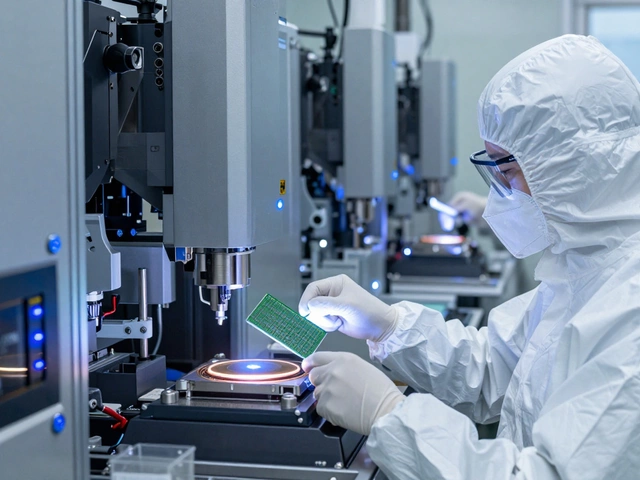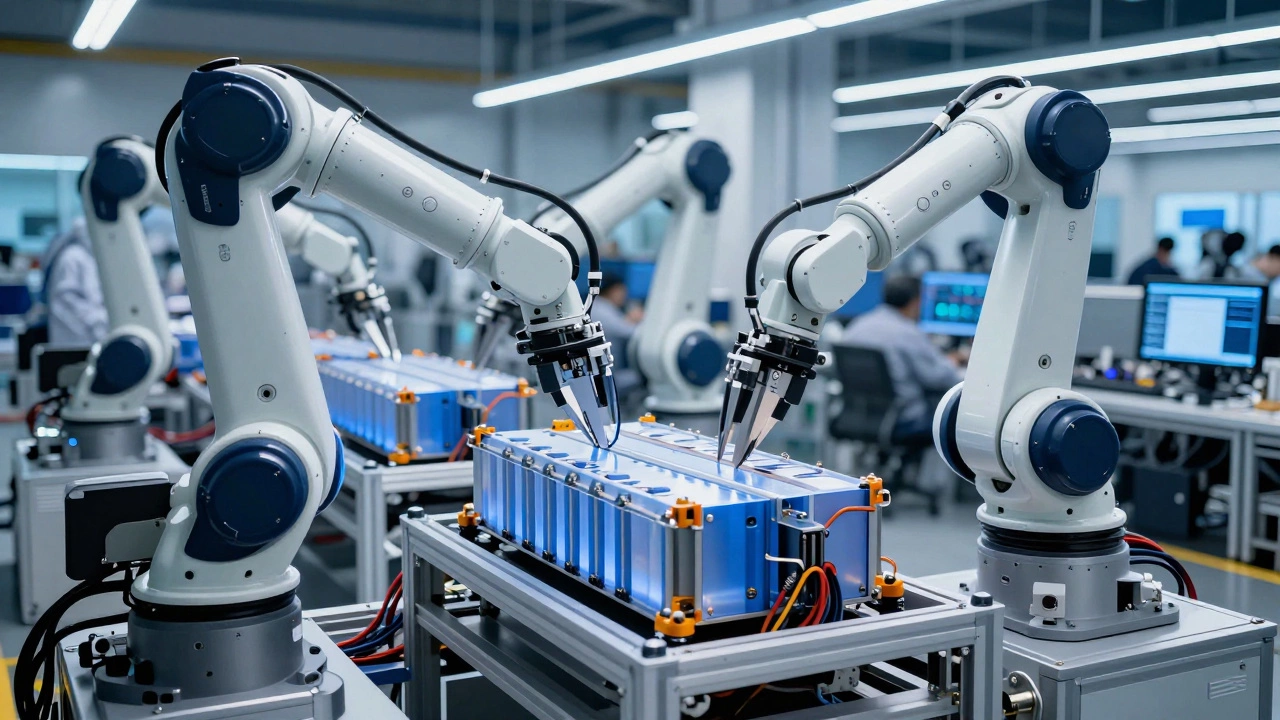
The year 2025 didn’t just bring new trends; it forced a complete rewrite of the global manufacturing playbook. If you were looking for a sign to pivot your business strategy or invest in a new venture, the data from the last twelve months was screaming it. The old models of mass production with low margins are dead. In their place, we see a surge in high-value, tech-integrated, and sustainability-driven sectors.
You might be wondering which specific industries actually delivered on the hype. It wasn't just about "going green" as a marketing slogan. It was about survival and scaling. From the bustling industrial hubs of Gujarat to the tech corridors of Bengaluru, the winners in 2025 had one thing in common: they solved a critical supply chain bottleneck while leveraging advanced automation. Let’s look at the five manufacturing sectors that saw explosive growth this year and why they remain prime opportunities for 2026.
Electric Vehicle (EV) Battery Component Manufacturing
If you missed the boat on building full electric vehicles, don’t worry-the real money is in the components. Battery Management Systems (BMS) and the specialized cells that power them became the hottest commodity in 2025. With major automakers like Tata Motors and Mahindra accelerating their EV rollouts across India and Southeast Asia, the demand for local battery assembly skyrocketed.
Why did this boom? Import dependency. For years, manufacturers relied heavily on imports for lithium-ion cells. But tariffs and shipping delays made local production not just attractive, but necessary. We saw a 40% increase in startups focusing on Lithium-Ion Cell Assembly. You don’t need a billion-dollar factory to start here. Many successful businesses began by specializing in single-use battery recycling or manufacturing the casing and thermal management systems for these batteries. The barrier to entry is lower than you think if you have technical expertise in electrochemistry or mechanical engineering.
- Key Opportunity: Thermal paste and cooling modules for EV batteries.
- Growth Driver: Government subsidies under the Production Linked Incentive (PLI) scheme.
- Challenge: Sourcing raw materials like lithium and cobalt reliably.
Green Hydrogen Production Infrastructure
Forget the buzzwords-green hydrogen moved from theory to heavy industry in 2025. This isn't just about energy; it's about manufacturing the hardware that makes it possible. Electrolyzer Manufacturing became a multi-billion dollar sector overnight. Electrolyzers split water into hydrogen and oxygen using renewable electricity, and every country with a net-zero goal needs thousands of them.
In India, the National Green Hydrogen Mission provided a massive tailwind. Companies that started producing electrolyzer stacks in early 2025 saw their orders triple by December. The beauty of this sector is its scalability. You can start small, producing units for laboratory use or small-scale industrial applications, and scale up to commercial-grade systems. The technology is complex, but the market hunger is even more intense. If you have access to skilled engineers who understand membrane electrode assemblies (MEAs), this is a blue-ocean market with very few competitors currently dominating the space.
| Industry | Initial Investment Range | Tech Complexity | Primary Customer Base |
|---|---|---|---|
| EV Battery Components | $500k - $2M | High | OEMs, Auto Manufacturers |
| Green Hydrogen Electrolyzers | $1M - $5M | Very High | Energy Companies, Heavy Industry |
| Smart Textiles | $100k - $500k | Medium | Fashion Brands, Healthcare |
| Medical Device Parts | $200k - $1M | High (Regulatory) | Hospitals, Pharma Companies |
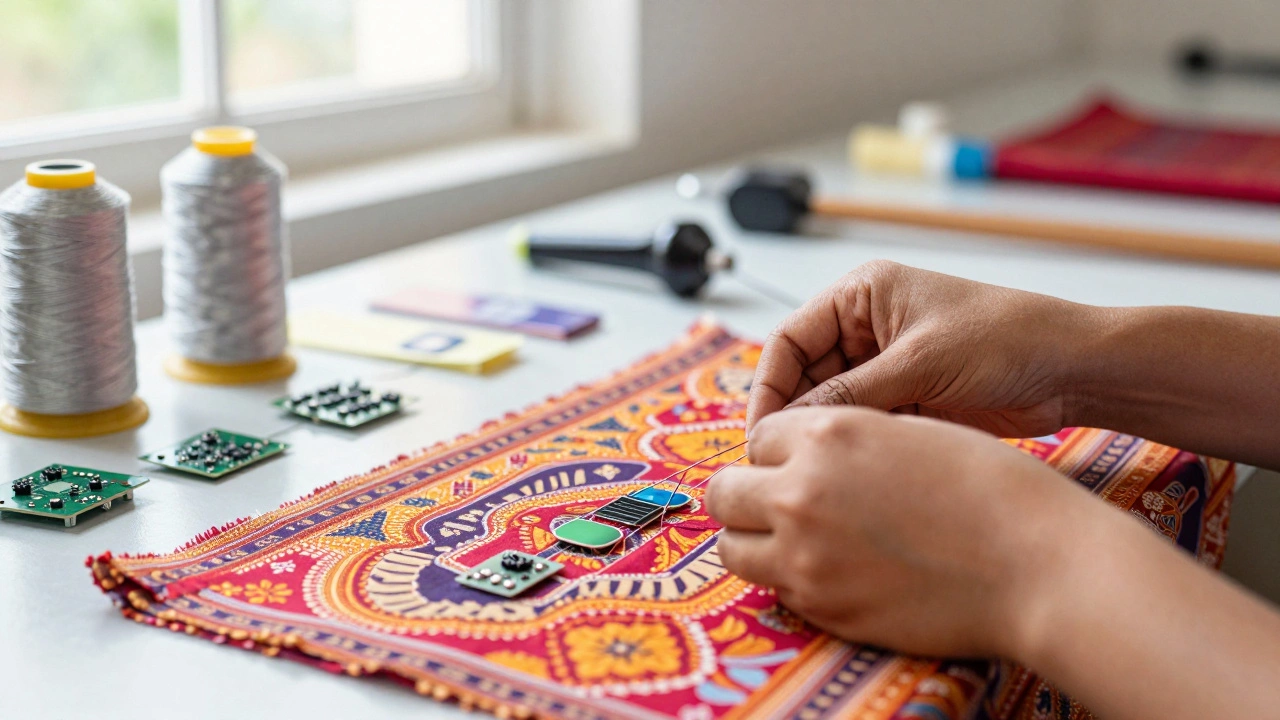
Smart Textiles and Wearable Integration
The fashion industry is undergoing a silent revolution. It’s no longer just about fabric; it’s about functionality. Smart Textiles, which integrate sensors and conductive threads directly into clothing, saw a 60% sales jump in 2025. This wasn't limited to niche sports brands anymore. Major apparel companies wanted fabrics that could monitor heart rates, regulate temperature, or change color based on environmental conditions.
This sector boomed because of two factors: cheaper sensor technology and a post-pandemic focus on health monitoring. You don’t need to be a tech giant to enter this space. Many small workshops in Mumbai and Surat started offering "smart integration" services, where they take traditional garments and embed flexible electronics into them. The key here is durability. Consumers want clothes that survive the wash cycle. If you can solve the washing problem for electronic textiles, you will have customers lining up. The margin on these products is significantly higher than standard apparel because you’re selling technology, not just cloth.
Precision Medical Device Manufacturing
Aging populations in Europe, North America, and increasingly in India created an insatiable demand for medical devices. However, the boom in 2025 wasn't in generic syringes or bandages. It was in Precision Medical Devices-specifically, diagnostic tools and personalized prosthetics. 3D printing played a huge role here. Additive manufacturing allowed companies to produce custom-fit implants and surgical guides at a fraction of the cost of traditional methods.
The regulatory landscape tightened, which actually helped legitimate players. Smaller, fly-by-night operators couldn’t meet the ISO 13485 standards, leaving room for serious entrepreneurs who invested in quality control from day one. If you have experience in CNC machining or 3D metal printing, this is a highly lucrative path. Hospitals are desperate for local suppliers who can deliver replacement parts quickly without waiting for international shipments. The lead times dropped from weeks to days for local manufacturers, creating a strong competitive advantage.
Sustainable Packaging Materials
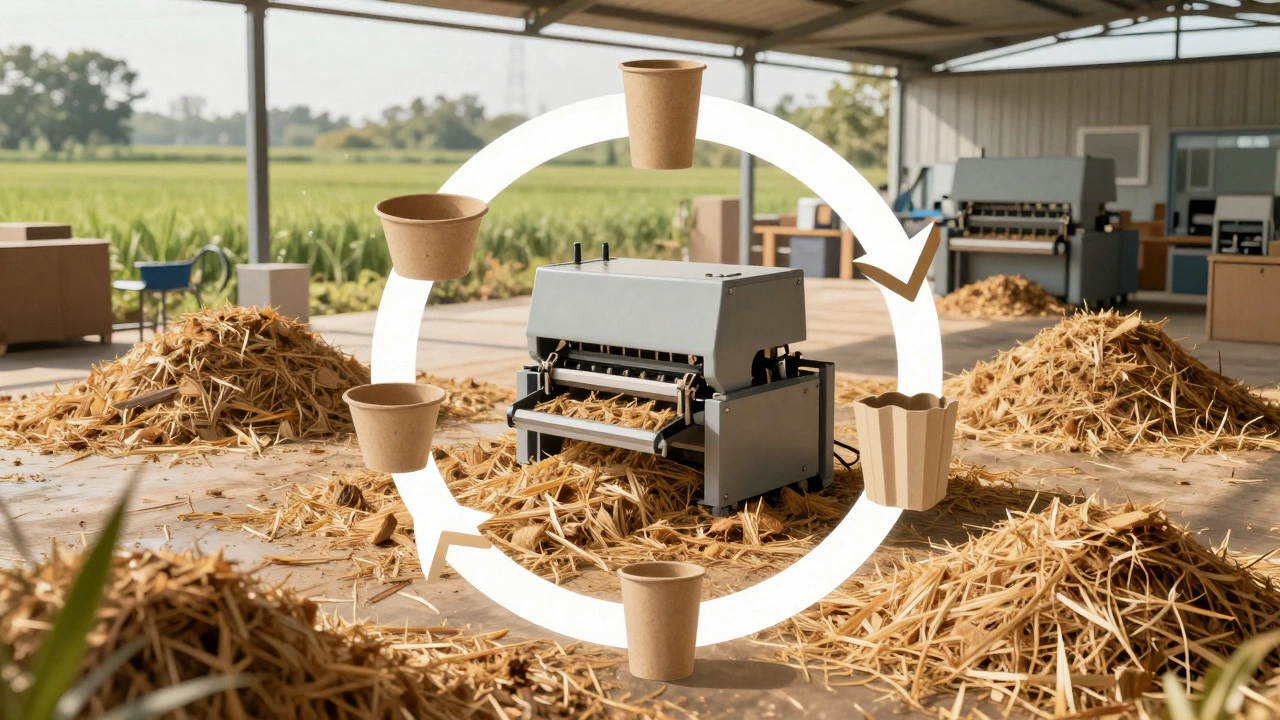
Plastic bans weren't new, but enforcement was. In 2025, several major states in India implemented strict penalties for single-use plastics. This created a vacuum that needed filling immediately. Biodegradable Packaging made from agricultural waste like rice husks, sugarcane bagasse, and seaweed exploded in popularity. These aren't just eco-friendly alternatives; they are often cheaper and more durable than conventional plastic once you factor in the disposal costs.
The beauty of this business model is the raw material availability. Farmers have tons of waste that they usually burn, causing pollution. By turning this waste into packaging, you create a circular economy. Startups that set up small-scale processing units near farms saw rapid ROI. E-commerce giants, pressured by consumers and regulators, switched to these materials en masse. If you can secure a consistent supply of biomass and have a simple molding process, you can serve the entire FMCG (Fast-Moving Consumer Goods) sector. It’s a volume game, but the demand is relentless.
How to Choose Your Path
Not all booming industries are right for everyone. Before you commit capital, ask yourself three questions. First, do you have access to the necessary talent? High-tech manufacturing requires skilled engineers, not just laborers. Second, what is your supply chain risk? If you rely on imported components, you are vulnerable to geopolitical shifts. Third, what is your exit strategy? Some sectors, like medical devices, have long certification timelines but offer stable, long-term contracts. Others, like smart textiles, move fast but require constant innovation to stay relevant.
Diversification is also key. Don’t put all your eggs in one basket. Consider partnering with existing players in adjacent industries. For example, a textile manufacturer could partner with an IoT startup to create smart fabrics. Collaboration accelerates growth and reduces risk. The manufacturers who thrived in 2025 weren't the ones who worked in isolation; they were the ones who integrated deeply into broader ecosystems.
What is the lowest investment manufacturing business idea for 2026?
Sustainable packaging using agricultural waste is likely the lowest barrier to entry. You can start with basic machinery for molding bagasse or rice husk into plates and containers. The initial investment can be under $50,000 depending on scale, and raw materials are widely available and cheap. Another option is assembling pre-made kits for smart home devices, which requires minimal tooling.
Is it too late to enter the EV component manufacturing market?
No, it is not too late. While cell manufacturing is becoming crowded, there is still a massive shortage of secondary components like thermal management systems, wiring harnesses, and battery casings. The EV transition is just beginning in many emerging markets, meaning demand will outstrip supply for the next decade. Focus on niche components rather than competing directly with large battery makers.
Which government schemes support manufacturing startups in India?
The Production Linked Incentive (PLI) scheme is the most significant, offering cash incentives for increased domestic production in sectors like electronics, pharma, and auto components. Additionally, the Make in India initiative provides easier land acquisition and tax benefits. State-specific policies in Gujarat, Maharashtra, and Tamil Nadu also offer substantial subsidies for setting up new manufacturing units, especially in green energy sectors.
How important is automation for small-scale manufacturing?
Automation is crucial for maintaining competitiveness. Even small shops benefit from semi-automated processes like CNC machines or robotic arms for repetitive tasks. It reduces human error, improves consistency, and lowers long-term labor costs. In 2025, customers began demanding higher precision and faster turnaround times, which manual processes simply cannot guarantee. Investing in affordable automation software and hardware pays off quickly.
Can I manufacture medical devices without a medical degree?
Yes, you do not need a medical degree to manufacture medical devices. However, you must comply with strict regulatory standards such as ISO 13485 and obtain necessary approvals from bodies like the CDSCO in India. You will need a team that includes quality assurance experts and potentially consultants who understand regulatory pathways. The focus is on engineering precision and safety compliance, not clinical practice.