Manufacturing Profit Margin Calculator
Input Your Figures
Direct Costs (COGS)
Indirect Costs (Overhead)
Margin Analysis
Quick Takeaways for New Founders
- Gross Margin covers only the direct costs of making the item (materials and labor).
- Net Margin is the final truth-what's left after taxes, rent, and admin costs.
- Typical margins vary wildly: high-end electronics might have huge margins, while bulk plastic components rely on tiny margins and massive volume.
- Cutting costs by 2% in raw materials often boosts the bottom line more than raising prices by 2%.
The Three Layers of Profitability
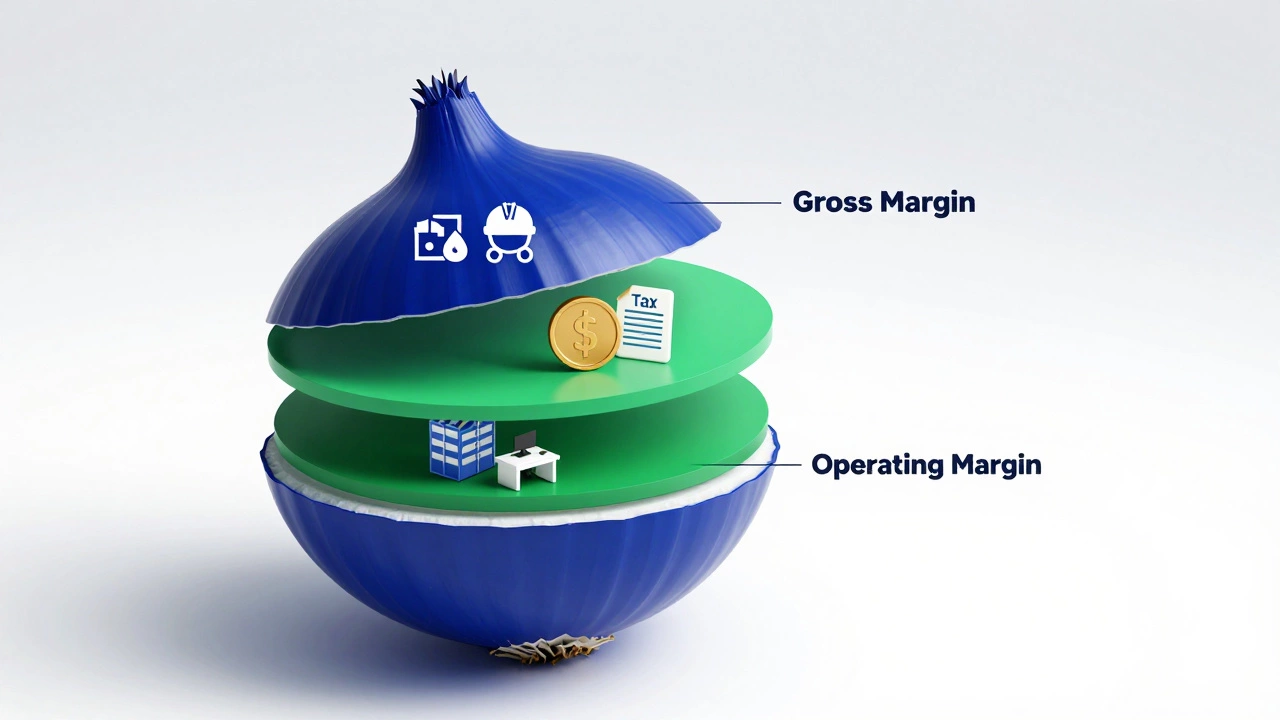
You can't just look at one number and call it "profit." You need to peel the onion. Most manufacturers track three distinct levels to see where their money is leaking.
First, there is the Gross Profit Margin. This is the most basic check. It tells you if your production process is efficient. If it costs you $60 in steel and labor to make a chair you sell for $100, your gross margin is 40%. If this number is too low, no amount of "better marketing" will save you; you either need cheaper materials or a more efficient assembly line.
Next is the Operating Profit Margin. This takes the gross profit and subtracts the "keeping the lights on" costs. We're talking about your warehouse rent, the salary of your office manager, and the electricity for the HVAC system. This is where many startups fail. They have a great product (good gross margin) but a bloated office (bad operating margin).
Finally, there is the Net Profit Margin. This is the absolute bottom line. It includes interest on the loans you took for that expensive CNC machine and the corporate taxes you owe the government. When an investor asks, "How profitable is this business?", they are talking about the net margin.
| Margin Type | What it Includes | What it Ignores | What it Tells You |
|---|---|---|---|
| Gross Margin | Direct Materials, Direct Labor | Rent, Taxes, Marketing | Production Efficiency |
| Operating Margin | Gross Costs + SG&A | Interest, Taxes | Business Model Health |
| Net Margin | All Possible Expenses | Nothing | Actual Wealth Creation |
Direct Costs: The Margin Killers
To protect your manufacturing profit margin, you have to obsess over COGS (Cost of Goods Sold). In manufacturing, COGS isn't just the price of the part; it's everything that touches the product before it hits the shipping dock.
Raw materials are the obvious one. But have you accounted for "scrap rate"? If you buy 1,000 lbs of plastic but 50 lbs end up as waste on the floor, your material cost just jumped by 5%. That's a direct hit to your margin. Then there's direct labor. If a technician spends 20 minutes assembling a unit, that's a fixed cost. If you can use a jig or a template to cut that down to 12 minutes, you've just increased your profit without raising your price.
Energy is the silent killer, especially in heavy industries like Steel Manufacturing or chemical processing. A spike in electricity rates can wipe out a month's profit. Smart factories now use energy monitoring software to shift heavy production to off-peak hours, effectively treating energy as a controllable variable rather than a fixed burden.
Industry Benchmarks: What's a "Good" Margin?
A "good" margin depends entirely on what you're making. You can't compare a boutique furniture maker to a mass-producer of plastic bottle caps. They play entirely different games.
In high-volume, low-cost industries-like basic Plastic Manufacturing-net margins might be as low as 2% to 5%. These businesses don't make money on the margin; they make money on the volume. If you make 5 cents per cap but sell 10 million caps, you're doing great.
On the other end, specialty manufacturing, such as medical device production or high-end aerospace components, can see net margins of 15% to 30%. These companies charge a premium for precision and certification. You aren't selling a piece of metal; you're selling the guarantee that the metal won't fail at 30,000 feet.
For those starting in Small Scale Manufacturing, a healthy target is usually a gross margin of 50% or more. This gives you enough breathing room to cover your overhead and still put a decent profit in the bank. If your gross margin is only 20%, you're essentially gambling that your overhead will be nearly zero, which never happens in the real world.
Strategies to Boost Your Bottom Line
If your margins are shrinking, you have two levers: raise the price or lower the cost. But there are more sophisticated ways to handle this than just guessing.
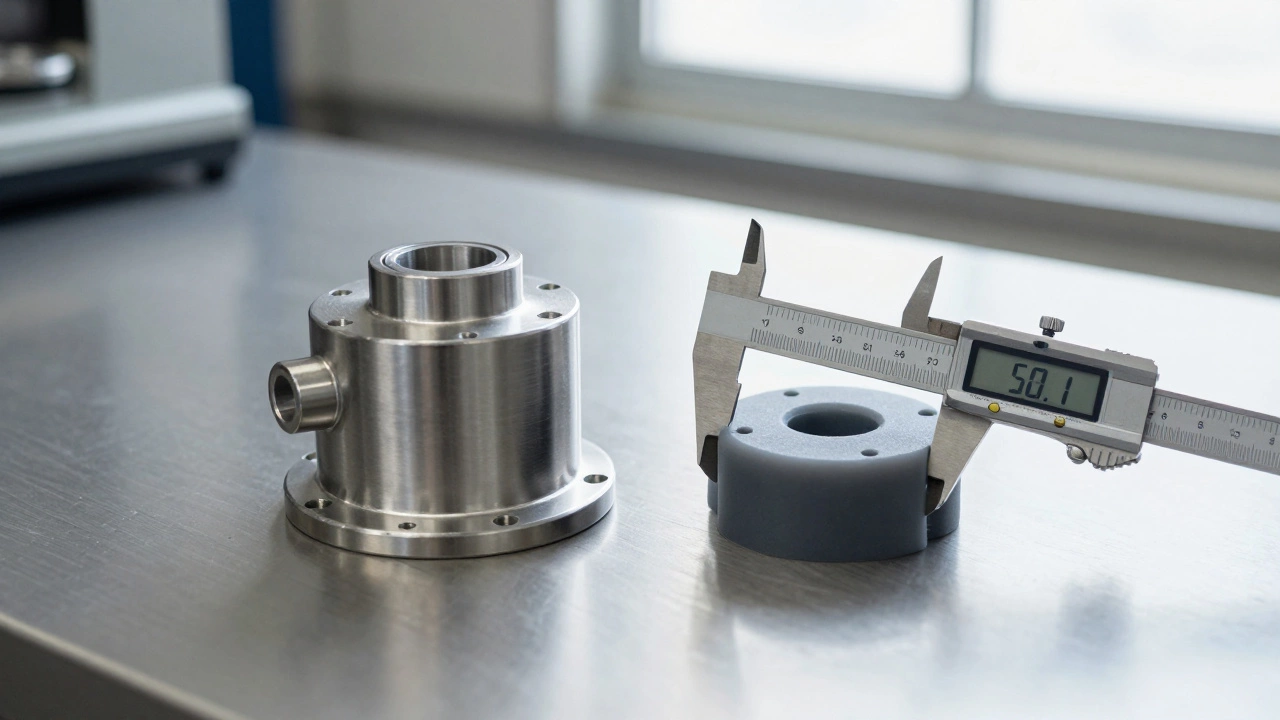
Value Engineering is a powerful tool. This is the process of looking at a product and asking, "Does this part actually need to be stainless steel, or would a high-grade polymer work just as well?" By swapping a material for a cheaper alternative that doesn't sacrifice performance, you instantly widen your margin.
Then there's the concept of Economies of Scale. As you grow, your purchasing power increases. Buying aluminum by the ton is significantly cheaper per pound than buying it by the sheet. Many startups make the mistake of pricing their products based on small-batch costs, which makes them too expensive. Conversely, some price based on future bulk costs, which means they lose money on every sale for the first year. The key is a tiered pricing strategy that evolves as your volume grows.
Don't forget about the "hidden" costs of quality. A high defect rate is a margin assassin. If 10% of your products are returned or scrapped, you've spent the labor and material twice for one sale. Investing in quality control (QC) at the start of the line is often cheaper than fixing a mistake at the end.
Common Pitfalls for Manufacturing Startups
The most frequent mistake is failing to account for "invisible labor." This is the time spent moving materials around the shop, cleaning machines, or documenting shipments. If you only track the time the machine is running, you're underestimating your costs. This leads to a "phantom profit"-your spreadsheets say you're making money, but your bank account says otherwise.
Another trap is ignoring the cost of capital. That $50,000 laser cutter isn't free, even if you bought it with a loan. The interest on that loan is a real cost. If you don't factor the depreciation of your machinery into your long-term margins, you'll find yourself with no money to replace the equipment when it finally breaks down in five years.
Is a high gross margin always a good sign?
Not necessarily. A very high gross margin can sometimes mean you've overpriced your product, leading to low sales volume. Or, it might mean you're ignoring some direct costs, like packaging or shipping, that should be part of your COGS. The goal is a balance between a healthy margin and a competitive price that drives volume.
How often should I review my profit margins?
In manufacturing, you should review your margins monthly. Raw material prices (like steel or resin) fluctuate constantly. If your supplier raises prices by 10% and you don't notice for a quarter, you've effectively been paying for your customers' products out of your own pocket.
What is the difference between markup and margin?
This is a classic point of confusion. Markup is the percentage added to the cost to get the selling price (e.g., adding 50% to a $10 cost = $15 price). Margin is the percentage of the selling price that is profit (e.g., a $5 profit on a $15 price = 33.3% margin). Always talk in margins when discussing business health, as it relates directly to your revenue.
Can I improve margins without raising prices?
Yes. You can focus on reducing waste (Lean Manufacturing), negotiating better rates with bulk suppliers, improving labor efficiency through better tool layouts, or automating repetitive tasks. Even small wins in these areas compound into significant margin gains.
How does depreciation affect profit margins?
Depreciation is an accounting expense that spreads the cost of a machine over its useful life. While it doesn't affect your cash flow daily, it reduces your net profit. If you ignore it, your net margin looks higher than it actually is, which can lead to overspending on dividends or expansion.
Next Steps for Your Startup
If you're just starting, begin by creating a "Cost Sheet" for every single item you plan to make. Don't guess-measure. Use a stopwatch to see how long assembly actually takes. Weigh your scrap. List every single bolt, washer, and drop of glue.
Once you have your baseline, run a sensitivity analysis. Ask yourself: "What happens to my profit if the price of aluminum goes up 15%?" or "What if my electricity bill doubles in the summer?" Knowing these breaking points allows you to build a buffer into your pricing and ensures that your business is resilient enough to survive the inevitable surprises of the manufacturing world.



![Which Country Dominates Global Pharmaceutical Production? [Data-Driven Guide 2025]](/uploads/2025/07/thumbnail-which-country-dominates-global-pharmaceutical-production-data-driven-guide.webp)