Understanding Manufacturing Profit Margins: A Guide for New Business Owners
Learn how to calculate and optimize manufacturing profit margins. A practical guide on gross vs. net margins, cost reduction, and industry benchmarks for startups.
View MoreIf you run an HVAC plant in India, you know every rupee matters. From raw material bills to labor wages, each line item can change your bottom line. Knowing where money goes is the first step to controlling it.
Raw materials like copper, aluminum, and refrigerant gases are the biggest chunk of any HVAC budget. Prices swing with global demand, so many manufacturers lock in rates with long‑term contracts. Next up is labor. Skilled workers command higher wages, but they also finish jobs faster and with fewer errors. Overhead costs—electricity, water, and factory rent—add up quickly, especially in high‑temperature zones where cooling the plant itself becomes a cost driver.
Don't forget hidden expenses. Shipping delays can pile up storage fees, and poor inventory management often leads to excess stock that ties up capital. Even small things like regular equipment maintenance can prevent costly breakdowns later on.
Start by auditing your material usage. Many plants waste up to 10 % of metal due to off‑cuts that never get reused. Implement a waste‑reduction program: recycle scrap, redesign parts for better nesting, and negotiate with suppliers for return‑back schemes.
Automation can pay off fast. Adding a basic CNC machine for sheet‑metal cutting reduces labor hours and improves precision, cutting re‑work costs. If a full CNC setup feels pricey, consider renting equipment during peak production months.
Energy bills are a silent profit killer. Install variable‑frequency drives on large motors and switch to LED lighting in the workshop. A simple solar‑panel array on the roof can shave 5‑10 % off electricity charges, and many states offer subsidies for green upgrades.
Review your workforce schedule. Shift work that aligns with peak demand avoids overtime pay. Cross‑train employees so they can cover multiple stations; this reduces the need for extra hires during busy periods.
Finally, keep an eye on logistics. Partner with a reliable freight forwarder who can consolidate shipments and offer volume discounts. Use software to track inventory in real time, preventing over‑ordering and the storage costs that come with it.
By breaking down each cost component and applying targeted fixes, you can tighten margins without sacrificing product quality. Start with one small change this month—maybe a quick waste audit—and watch the savings add up over the next quarter.
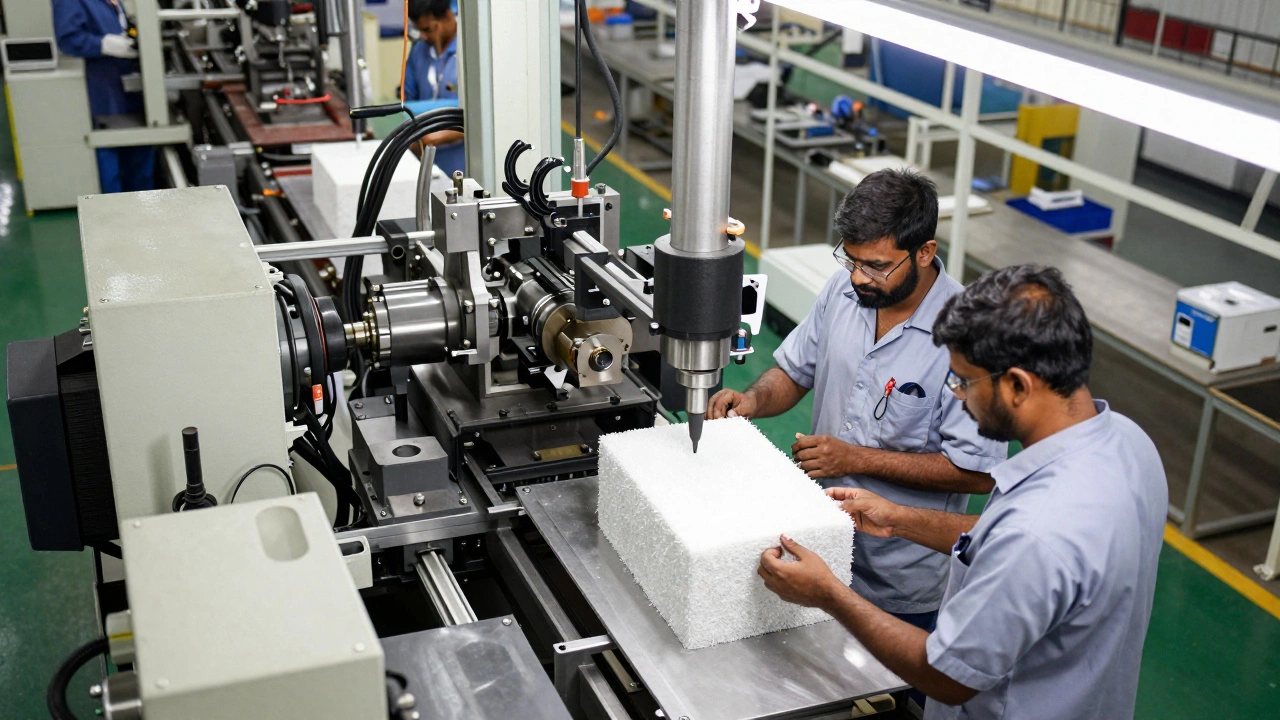
Learn how to calculate and optimize manufacturing profit margins. A practical guide on gross vs. net margins, cost reduction, and industry benchmarks for startups.
View More
Launching a manufacturing company requires careful financial planning and understanding of different cost factors. Start by calculating your startup costs which include equipment, facility, and labor expenses. Explore funding options to kickstart your business and consider various aspects to create a realistic budget. Learn about ongoing costs, potential challenges, and strategies to optimize your expenses for a successful venture.
View More