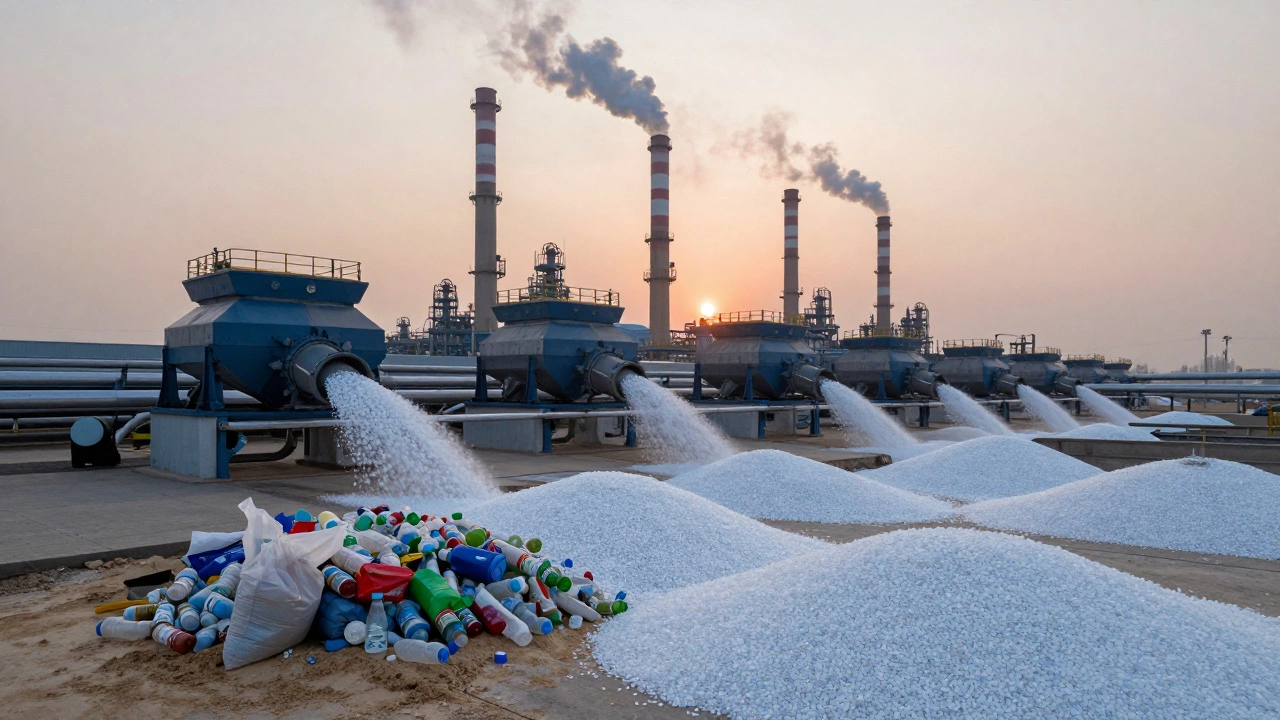
Plastic Production Impact Calculator
The largest contributors to plastic pollution aren't consumers or retailers. Discover how much plastic is produced by the top resin manufacturers who control the raw materials behind your everyday plastic products.
Top Plastic Producers
According to a 2023 study by the Center for International Environmental Law (CIEL), just 20 companies produce over half of the world's virgin plastic resin. These companies are the true drivers of plastic pollution.
ExxonMobil
12M tonsProduces over 12 million tons of plastic feedstock annually—enough to make 600 billion single-use bottles.
Dow
10M tonsA global leader in polyethylene (PE) production for bags and packaging.
Sinopec
10M tonsChina's largest petrochemical company and a major player in the global plastic market.
Plastic Waste Breakdown
The most common plastics in the environment account for 78% of all waste:
Used in shopping bags, food wraps, and milk jugs
Found in yogurt containers, bottle caps, and automotive parts
The plastic in soda and water bottles
Less than 10% of all plastic ever produced has been recycled.
Plastic Production Impact
Based on global resin production data from 2023 CIEL study
Every year, over 400 million tons of plastic are produced worldwide. That’s more than the total weight of all humans on Earth. And while we recycle, ban, and boycott plastic, the real question isn’t who uses plastic-it’s who makes it. The biggest contributor to plastic isn’t consumers, not even fast-food chains or supermarkets. It’s a handful of chemical companies that churn out the raw materials for nearly every piece of plastic you touch every day.
The Real Source: Resin Producers, Not Retailers
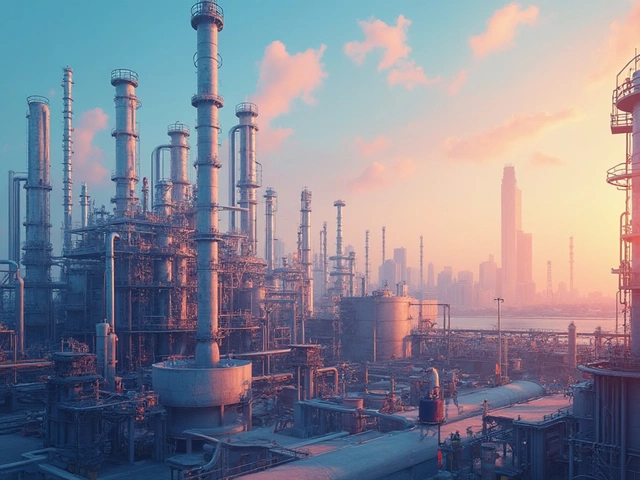
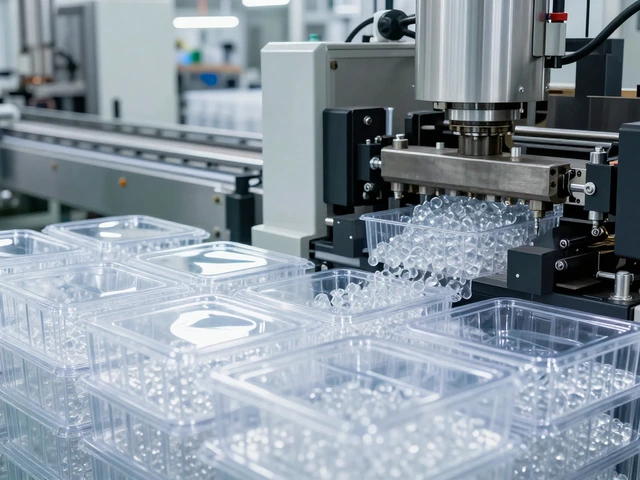
When you see a plastic water bottle, a grocery bag, or a toy, you might blame the brand selling it. But those items don’t appear out of nowhere. They start as pellets-tiny, colorless beads of resin. These pellets are made from oil and gas by a few dozen global chemical manufacturers. These companies don’t sell to you. They sell to plastic processors, who turn the resin into packaging, containers, or fibers. So while your local store may be the last stop, the real pollution engine is upstream.According to a 2023 study by the Center for International Environmental Law (CIEL), just 20 companies produce over half of the world’s virgin plastic resin. Among them, three stand out: ExxonMobil, Dow, and Sinopec. Together, they account for more than 10% of global plastic resin production. ExxonMobil alone produces over 12 million tons of plastic feedstock annually-enough to make 600 billion single-use bottles.
What Kind of Plastic Are We Talking About?
Not all plastics are equal. The biggest contributors aren’t the fancy bioplastics or compostable packaging. They’re the cheap, durable, and disposable ones: polyethylene (PE), polypropylene (PP), and polyethylene terephthalate (PET). These three make up 78% of all plastic waste.- Polyethylene (PE) - Used in shopping bags, food wraps, and milk jugs. It’s the most common plastic on Earth. Dow and Shell are the top producers.
- Polypropylene (PP) - Found in yogurt containers, bottle caps, and automotive parts. ExxonMobil and LyondellBasell lead this market.
- PET - The plastic in soda and water bottles. Saudi Basic Industries Corporation (SABIC) and Indorama Ventures produce more than 15 million tons of PET resin each year.
These materials are designed to be cheap, not reusable. Their production is so efficient that it’s often cheaper to make new plastic than to recycle old plastic. That’s why less than 10% of all plastic ever made has been recycled.
Why Do These Companies Dominate?
These firms aren’t small players. They’re vertically integrated giants with access to cheap feedstock from oil and gas fields. In the U.S., Dow and ExxonMobil get their ethylene from shale gas fracking. In China, Sinopec uses coal-to-plastic plants. In the Middle East, SABIC benefits from subsidized natural gas. This gives them a massive cost advantage.They also control the technology. The machines that turn resin into film, fibers, or molded containers are expensive and complex. Only a few companies can build them. That means even if a country wants to reduce plastic, it still has to buy resin from these firms. It’s not a market-it’s a monopoly chain.
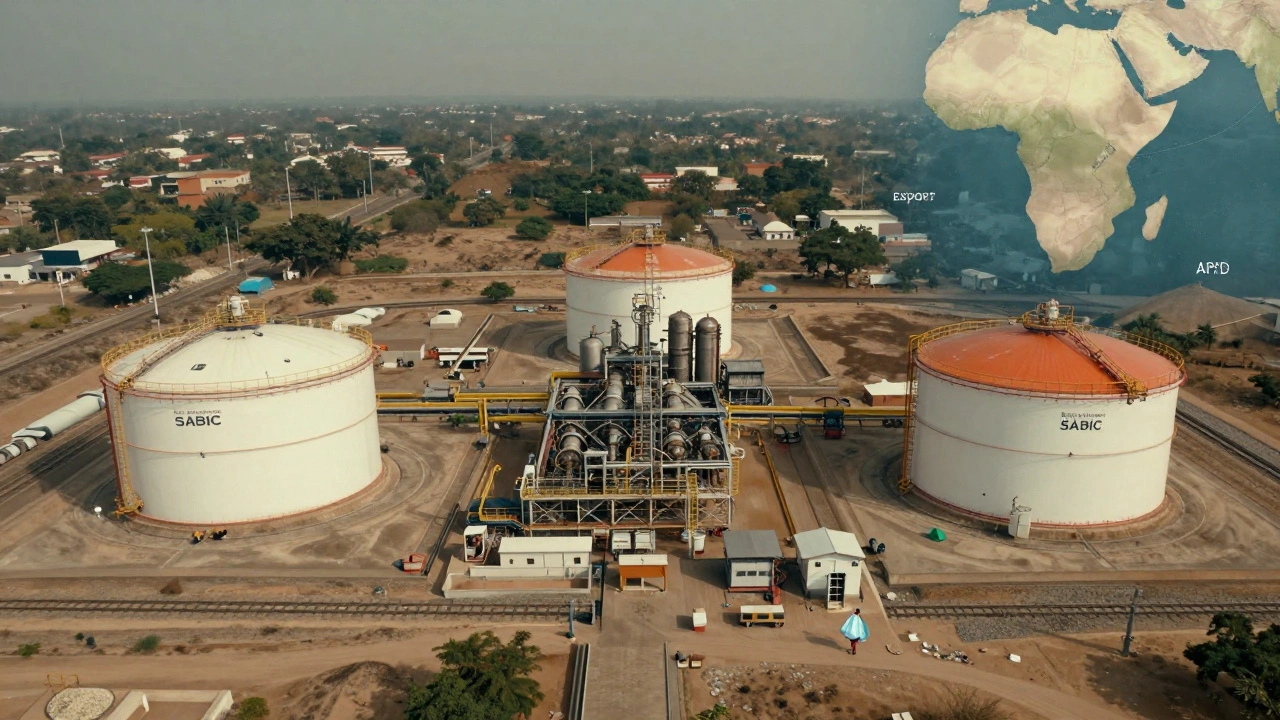
And they’re expanding. In 2025, new plastic plants are opening in India, Indonesia, and Nigeria. Indorama Ventures, based in Thailand, is building its third PET plant in Uttar Pradesh. These aren’t for local use-they’re for export. The global plastic market is growing at 4% per year, and these companies are betting everything on it.
The Myth of Consumer Responsibility
We’re told to recycle more. To carry reusable bags. To avoid straws. But here’s the truth: even if every person on Earth stopped using single-use plastic tomorrow, the problem wouldn’t end. Why? Because these companies aren’t making plastic for consumers-they’re making it for packaging, which accounts for 36% of all plastic use.Think about it. A single 500ml water bottle takes 20 seconds to produce. The company that makes the bottle cap? That’s a small factory. The company that makes the resin? That’s a $2 billion plant. The real scale of pollution is hidden in those plants, not in your trash bin.
A 2024 report from Global Witness showed that the top 10 plastic resin producers spent over $1 billion on lobbying in 2023 to block plastic reduction laws. They funded greenwashing campaigns, promoted recycling as a solution, and sued cities trying to ban plastic bags. Their goal? Keep the pipeline flowing.
What’s Being Done?
Some governments are pushing back. The European Union passed the Single-Use Plastics Directive in 2021, banning items like cutlery and plates. Canada banned certain plastic products in 2023. India’s Plastic Waste Management Rules now require producers to pay for collection and recycling-known as Extended Producer Responsibility (EPR).But EPR only works if companies are forced to pay real costs. Right now, most plastic producers pay pennies per ton. In India, the EPR fee for PET is just ₹12 per kg. That’s less than 1% of the resin’s market price. It’s not a deterrent-it’s a tax on responsibility.
Meanwhile, investors are starting to pull out. BlackRock, the world’s largest asset manager, now requires plastic producers to disclose their resin output. Some banks have stopped financing new plastic plants. But these are small steps. The real change needs regulation that targets production, not consumption.
Who’s Next?
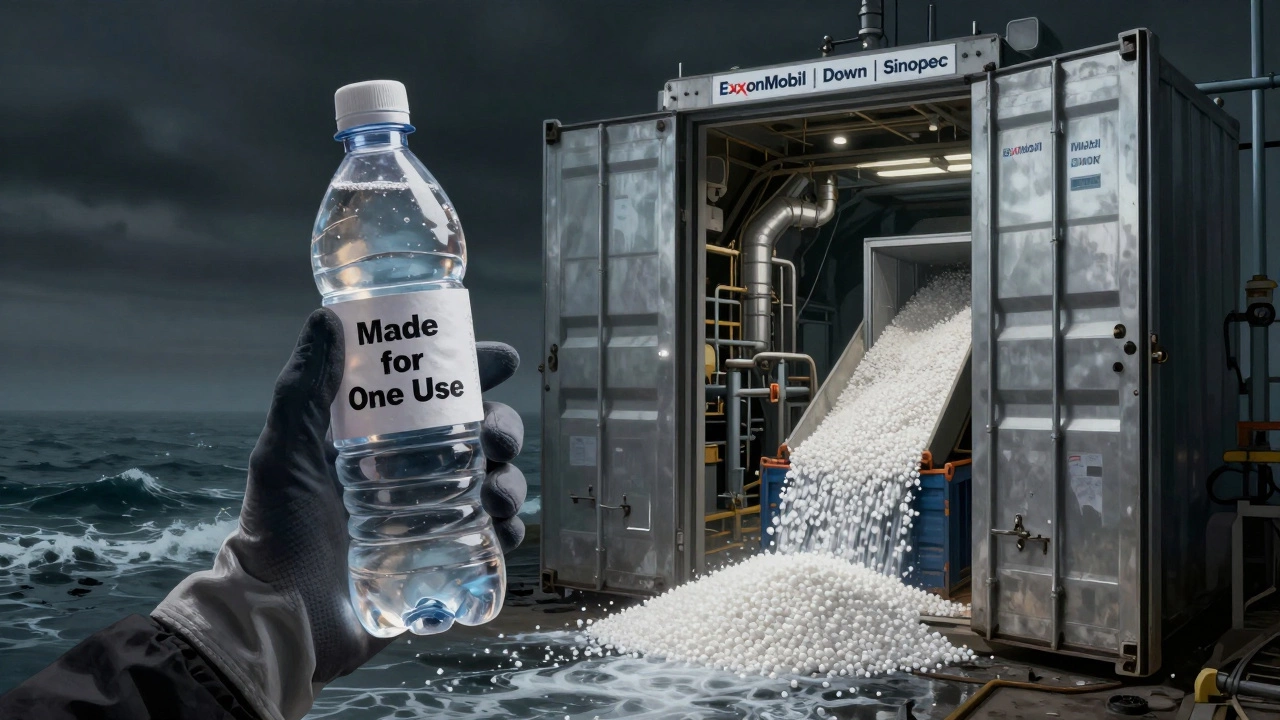
The next wave of plastic growth is in Asia. India’s plastic production grew 14% in 2025, hitting 18 million tons. China still leads, but India is catching up fast. Mumbai’s industrial belt now has over 200 resin processors. Most of them buy from SABIC, Reliance Industries, or Adani Enterprises. These firms are building new facilities every year.Reliance Industries, for example, plans to add 5 million tons of polyethylene capacity by 2028. That’s equivalent to the entire annual plastic output of Germany. And they’re not doing it to reduce waste-they’re doing it to export plastic packaging to Africa and Southeast Asia.
The Bottom Line
The biggest contributor to plastic pollution isn’t your coffee cup or your takeout container. It’s the corporate giants that turn fossil fuels into plastic pellets at scale. Until we hold these producers accountable-through real EPR laws, production caps, and bans on new plastic plants-we’ll keep drowning in waste.Stopping plastic pollution isn’t about changing your habits. It’s about changing who gets to make plastic-and how much.
Is plastic production growing or shrinking globally?
Plastic production is still growing. Global output reached 410 million tons in 2025 and is projected to hit 700 million tons by 2040. The fastest growth is in Asia, especially India and Southeast Asia, where new petrochemical plants are opening every year. Even countries with strict recycling laws are still increasing plastic production because demand for packaging hasn’t slowed.
Can recycling solve plastic pollution?
No, recycling alone cannot solve plastic pollution. Less than 10% of all plastic ever made has been recycled. Most plastic is too cheap to recycle, too contaminated to process, or made from mixed materials that can’t be separated. Recycling systems are designed to handle a fraction of what’s produced. The real solution is reducing production at the source-limiting how much virgin plastic companies are allowed to make.
Which plastics are the most harmful to the environment?
The most harmful plastics are single-use items made from polyethylene (PE), polypropylene (PP), and PET. These are lightweight, easily lost to the environment, and take hundreds of years to break down. PET bottles and PE bags are the top two contributors to ocean plastic. They’re also the most commonly found in microplastic studies, from the Arctic ice to human bloodstreams.
Are bioplastics a better alternative?
Most bioplastics aren’t better. Many are still made from fossil fuels, and even plant-based plastics like PLA (polylactic acid) require industrial composting to break down-which almost no city provides. In landfills, they behave just like regular plastic. Only a few truly compostable materials exist, and they’re not scalable. The best alternative is reducing plastic use entirely, not swapping one type for another.
What role do governments play in plastic production?
Governments often subsidize plastic production through cheap energy, tax breaks, and weak environmental rules. In India, natural gas for plastic plants is sold at below-market rates. In Saudi Arabia, oil is free for petrochemical firms. In the U.S., tax credits for ethane cracking have fueled new plastic exports. Without changing these policies, plastic production will keep rising, no matter how many bans are passed.