Small Business Profitability Calculator
Enter your product details to see if your manufacturing idea meets the "High-Margin" criteria discussed in the article.
Product Inputs
Financial Analysis
You have the capital, maybe a garage or a small warehouse, and you want to start making things. But which manufacturing process actually puts money in your pocket quickly? It is not about building massive factories with thousands of employees. The sweet spot for new entrepreneurs lies in high-margin, low-volume production where you control every dollar spent.
Many people assume that profitability comes from selling millions of units. That is wrong. In 2026, the most profitable small businesses often sell fewer items at higher prices because they solve specific problems. You are not competing with Walmart; you are competing on quality, speed, and customization. Let’s look at what actually works right now.
The Math Behind High-Margin Production
Before you buy a machine, you need to understand unit economics. A product is only profitable if the difference between the raw material cost and the final sale price covers labor, overhead, and marketing. If you spend $5 on materials and sell for $10, you will likely fail after paying yourself.
Look for industries where the raw material is cheap but the perceived value is high. This usually happens in sectors like niche food processing or specialized component assembly. For example, turning basic nuts into roasted, flavored snacks can triple the retail price. The same logic applies to custom metal fabrication. Steel is cheap; precision-cut parts for robotics are expensive.
| Niche | Avg. Startup Cost | Gross Margin Potential | Complexity Level |
|---|---|---|---|
| Artisanal Soap & Cosmetics | $2,000 - $5,000 | 60% - 75% | Low |
| Custom CNC Machining | $15,000 - $30,000 | 40% - 60% | High |
| Specialty Coffee Roasting | $10,000 - $20,000 | 50% - 65% | Medium |
| Bamboo Furniture Assembly | $8,000 - $15,000 | 45% - 55% | Medium |
| Eco-Friendly Packaging | $5,000 - $12,000 | 35% - 50% | Low |
Why Niche Food Processing Wins
People eat regardless of the economy. But they don’t just eat anything anymore; they eat specific things. Food processing transforms raw agricultural goods into shelf-stable, branded products. Think about hot sauce, gluten-free pasta, or organic baby food. These categories have exploded because consumers pay premiums for health and taste.
The barrier to entry here is regulatory, not technological. You need FDA compliance (or local equivalent) and proper labeling. But once you crack that code, the margins are incredible. A bottle of artisanal salsa might cost $1.50 to make in ingredients and packaging. It sells for $8.99 in boutiques. That leaves plenty of room for distribution fees and profit.
Start with one hero product. Don’t launch ten flavors. Launch one best-seller, perfect the supply chain, and then expand. This keeps your inventory costs low and your brand message clear.
Custom Metal Fabrication and CNC Services
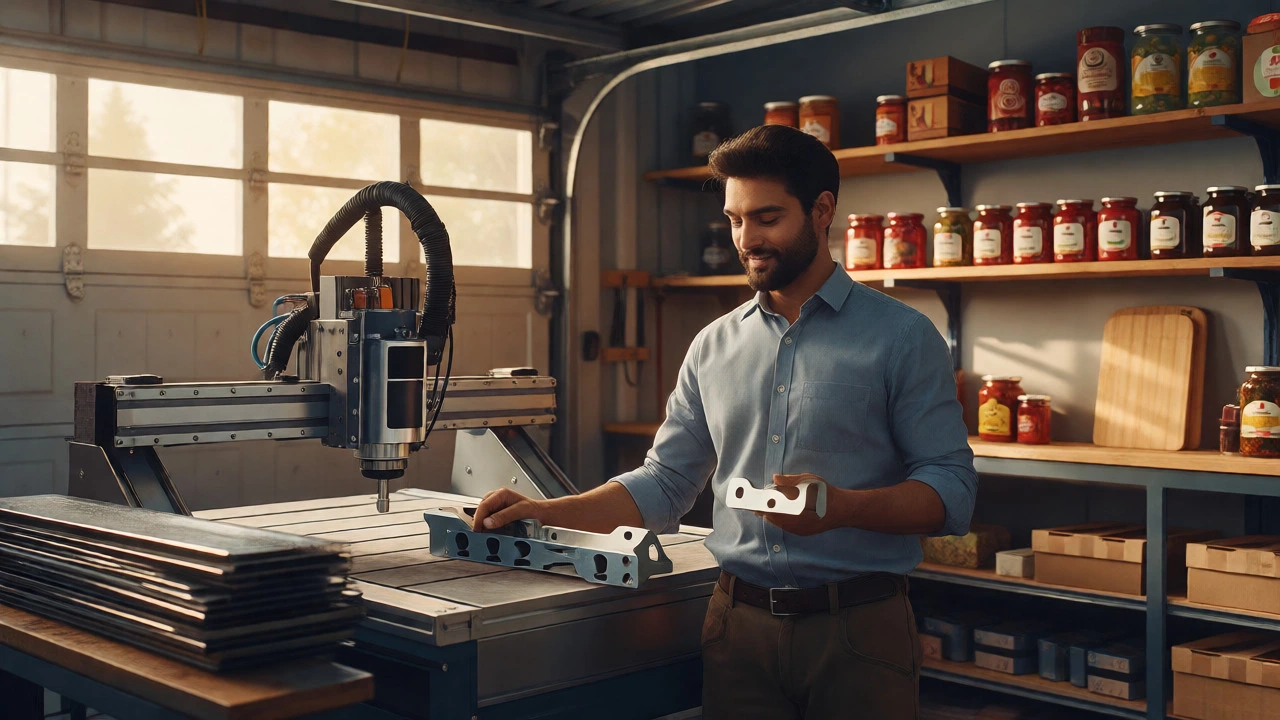
If you prefer hard materials, look at CNC machining and custom metal fabrication. We live in an era of DIY culture and hobbyist engineering. People are building drones, electric bikes, and home automation systems. They need precise brackets, gears, and housings that off-the-shelf stores don’t carry.
A used CNC router or laser cutter can be bought for under $15,000. You aren’t selling steel; you are selling precision and speed. When a startup needs 50 prototypes by Friday, they will pay double the market rate to get them done locally. B2B clients rarely haggle when time is critical. Focus on short-run production runs where big factories won’t bother to set up their lines.
Eco-Friendly Packaging and Materials
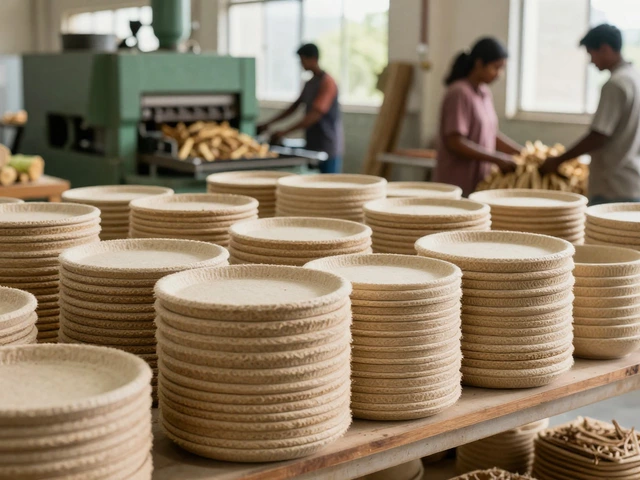
Regulations are tightening globally. Plastic bans are spreading across states and countries. Businesses are scrambling to find alternatives. This creates a massive opportunity for small manufacturers who produce biodegradable mailers, compostable cutlery, or recycled paper containers.
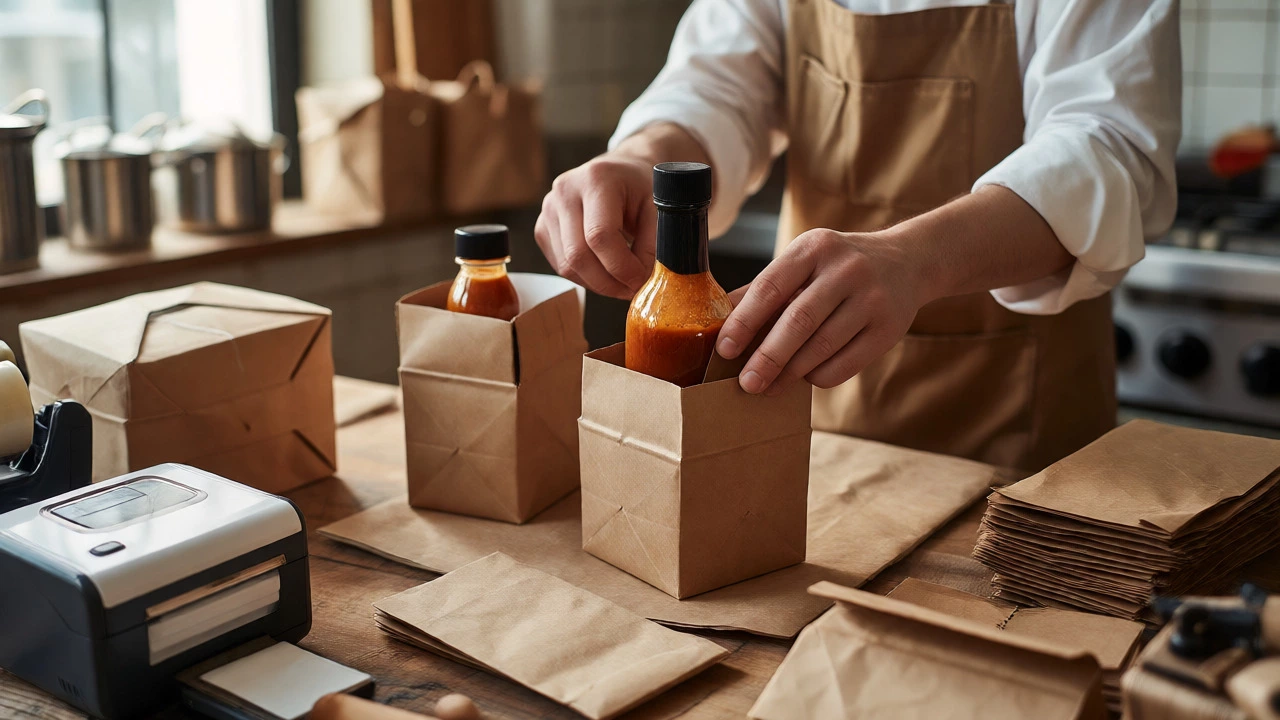
You don’t need to invent new materials. You need to source existing eco-friendly materials and convert them efficiently. Buying rolls of kraft paper or cornstarch-based film and converting them into finished boxes or bags requires simple die-cutting machines. The demand is driven by e-commerce brands who want to reduce their carbon footprint without sacrificing durability.
This sector benefits from bulk sales. One client might order 10,000 mailers a month. Securing three such clients provides stable cash flow. Marketing is straightforward: pitch directly to online store owners on platforms like Shopify or Etsy.
Bamboo and Sustainable Wood Products
Woodworking has seen a resurgence, but traditional hardwoods are expensive and slow-growing. Bamboo is a fast-growing grass that offers high tensile strength and aesthetic appeal. It is sustainable, durable, and looks modern.
Small workshops can produce cutting boards, phone stands, laptop risers, and kitchen utensils. The equipment needed-band saws, sanders, and drills-is affordable and easy to maintain. Because bamboo is lightweight, shipping costs remain low, allowing you to sell nationwide via online marketplaces without eating into profits.
Focus on design. A plain bamboo board is a commodity. A bamboo board with a juice groove, magnetic knife strip, and branded engraving is a gift item. Gifts command higher prices than utility items.

How to Validate Your Idea Before Spending Money
Don’t buy machinery first. Sell first. Create a prototype using manual methods or outsource the initial batch to a job shop. List it on Instagram, Amazon Handmade, or local craft fairs. See if people actually open their wallets.
- Test Pricing: Try selling at your target price point immediately. Do not discount heavily to get sales. You need to know if the market accepts your value proposition.
- Check Supply Chain: Can you reliably get raw materials? If your supplier raises prices by 10%, does your profit vanish? Always have a backup supplier.
- Analyze Competition: Look at top sellers in your niche. Read their negative reviews. What do customers hate? Fix that problem in your product.
Pitfalls That Kill Small Manufacturers
Most failures aren’t due to bad products. They are due to operational mistakes. Underestimating labor is the biggest killer. If it takes you two hours to package orders manually, you are losing money. Automate repetitive tasks early. Even a $500 label printer saves hours.
Another trap is over-customization. Offering too many options complicates inventory and slows down production. Keep SKUs (Stock Keeping Units) limited until you have steady cash flow. Complexity is the enemy of efficiency.
Finally, ignore "shiny object syndrome." Stick to one core competency. If you are good at woodworking, don’t suddenly start sewing leather cases unless you hire someone who is. Mastering one process allows you to refine techniques and reduce waste, which directly boosts net profit.
Frequently Asked Questions
What is the cheapest manufacturing business to start?
Handmade soap, candles, and jewelry assembly typically require the lowest startup capital, often under $2,000. These businesses rely more on skill and branding than expensive heavy machinery. However, scaling these requires careful management of labor costs as volume increases.
Is food manufacturing highly regulated?
Yes, food manufacturing involves strict hygiene, labeling, and safety regulations. You may need a commercial kitchen license, regular inspections, and specific packaging standards. While this adds administrative work, it also acts as a barrier to entry, protecting established businesses from casual competitors.
Can I run a manufacturing business from my garage?
For light manufacturing like electronics assembly, 3D printing, or woodworking, yes. Check local zoning laws regarding noise, chemical storage, and customer visits. Heavy machinery requiring large power loads or producing significant waste may require a dedicated industrial space.
How important is branding in small-scale manufacturing?
Extremely important. Since you cannot compete on volume pricing against mass producers, your brand story, quality assurance, and customer experience justify the premium price. Strong branding turns a generic product into a trusted recommendation.
What are the best sales channels for small manufacturers?
Direct-to-consumer (DTC) via websites and social media offers the highest margins. Wholesale to local boutiques or online retailers provides volume but lower margins. B2B contracts, such as supplying components to other manufacturers, offer stability but require reliable delivery schedules.