Plastic Blend Calculator
Understand Your Plastic Composition
Discover the real-world tradeoffs between virgin plastic and recycled plastic in product manufacturing. Based on industry standards from the article.
Your Plastic Blend
70% Virgin / 30% RecycledRecycled plastic typically costs 15-30% less than virgin plastic. At 30% recycled content, cost savings are modest but significant at scale.
Recycled plastic is less consistent and 15-20% weaker than virgin plastic. Higher recycled content requires careful formulation to maintain strength and color consistency.
30% recycled content meets most regulatory requirements while maintaining product quality. This balance is used by major brands like Patagonia and Coca-Cola.
Real-World Example
This blend is typical for water bottles, grocery bags, and packaging. Like a 500ml water bottle using 30% recycled PET plastic:
- Reduces carbon footprint by 25%
- Meets EU single-use plastic regulations
- Costs only 2-5% more than 100% virgin
Every time you pick up a water bottle, open a food container, or unbox a new gadget, you’re holding something made from plastic. But where does that plastic actually come from? Most people assume it’s pulled out of the ground like oil, but the truth is more layered - and more surprising.
The Raw Material: It Starts with Oil and Gas
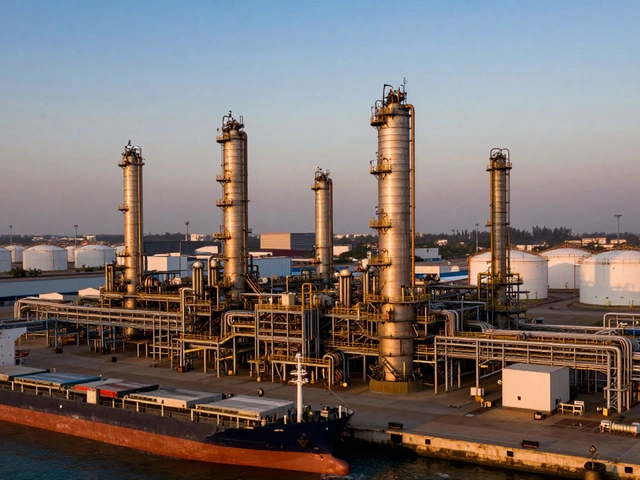
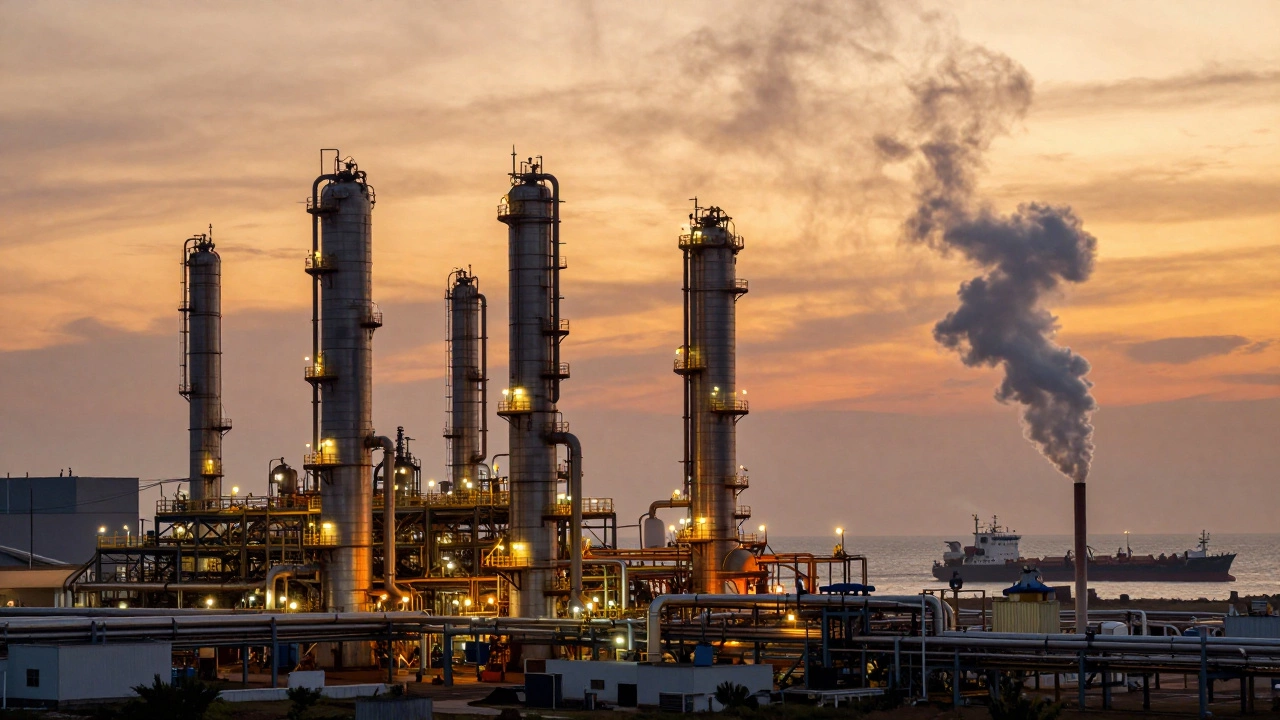
The vast majority of plastic - over 99% - begins as a byproduct of oil and natural gas refining. When crude oil is processed in a refinery, it gets split into different components called fractions. One of those fractions, naphtha, is the main starting point for most plastics. In places like the Gulf Coast of the U.S., the Middle East, and parts of India, refineries are built right next to petrochemical plants because this connection is critical.
At these plants, naphtha is heated and broken down into smaller molecules like ethylene and propylene. These are the building blocks of polyethylene and polypropylene - the two most common types of plastic. You’ll find them in grocery bags, shampoo bottles, and car parts. The process is called steam cracking, and it’s energy-heavy. A single plant can burn as much natural gas in a day as a small town uses for heating.
Who Supplies the Resin? The Middlemen Between Refineries and Factories
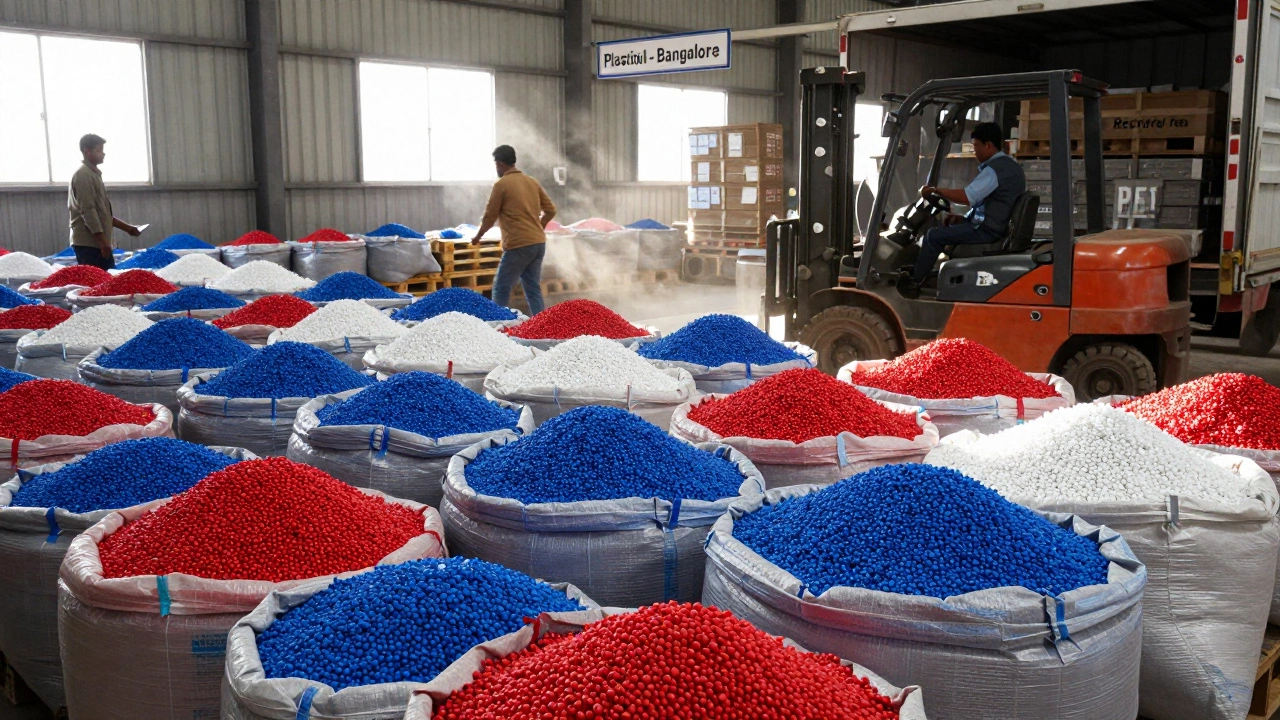
Manufacturers don’t usually buy crude oil. They buy plastic in pellet form - tiny, colorful beads called resin. These pellets are the standardized, ready-to-melt form of plastic. Companies like Dow, ExxonMobil, LyondellBasell, and Reliance Industries produce millions of tons of resin every year. These are the real suppliers that plastic manufacturers deal with daily.
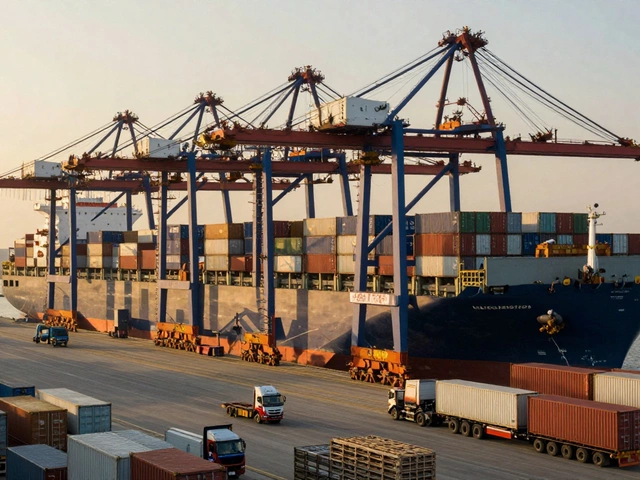
Think of resin as the flour for a bakery. You don’t grow wheat to make bread; you buy flour. Similarly, a company making toothbrushes doesn’t crack naphtha - they order polypropylene pellets from a resin supplier. These suppliers ship resin in bulk by rail, truck, or container ship. A typical plastic molding plant might receive 10-20 tons of resin per week. That’s enough to make over a million toothbrushes.
Recycled Plastic: The Growing Alternative
Not all plastic comes from oil. In the last five years, the use of recycled plastic has jumped by over 40% globally. In India alone, over 1.2 million tons of post-consumer plastic waste was processed into recycled pellets in 2025. Companies like Plastisol and GreenPak in Bangalore, Pune, and Surat have built entire operations around collecting, cleaning, and reprocessing plastic waste.
Recycled plastic isn’t just for trash bins anymore. It’s now used in clothing, furniture, automotive parts, and even food packaging - as long as it meets safety standards. Brands like Patagonia, Coca-Cola, and Unilever now require a minimum percentage of recycled content in their products. This means manufacturers are actively sourcing recycled resin from certified recyclers, not just virgin plastic.
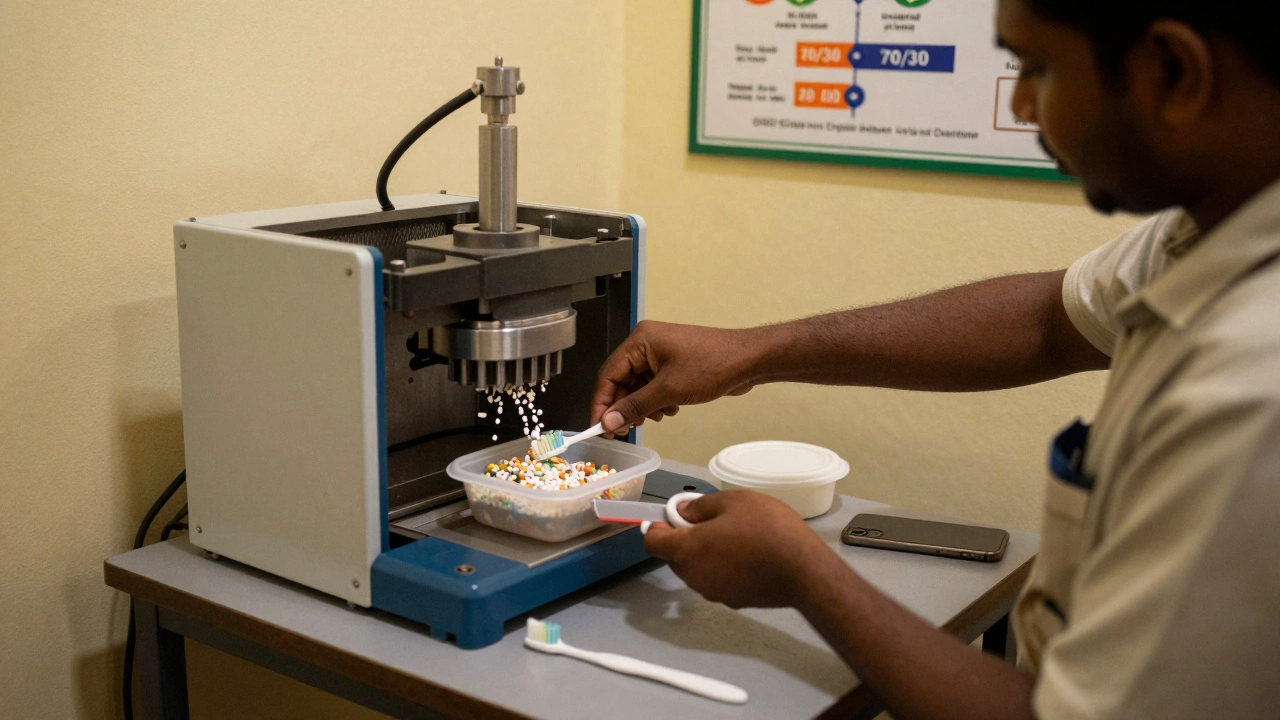
There’s a catch, though. Recycled plastic can’t always replace virgin plastic. It’s weaker, less consistent, and harder to color. So most products use a mix - 70% virgin, 30% recycled - to balance cost, performance, and sustainability.
Regional Differences: Where Plastic Is Made Around the World
Plastic supply chains aren’t global in the way you might think. They’re regional. China produces nearly 30% of the world’s plastic resin and exports huge volumes to Southeast Asia, Africa, and Latin America. The U.S. and Europe rely heavily on domestic refining and have stricter rules on plastic imports. In India, the plastic industry is growing fast, but it still imports about 15% of its virgin resin from Saudi Arabia and South Korea because local production can’t keep up with demand.
Why does this matter? Because tariffs, trade wars, and oil prices directly affect how much plastic costs. When crude oil hits $90 a barrel, resin prices go up. When a port strike delays a shipment from Qatar, factories in Tamil Nadu or Gujarat face delays. Plastic manufacturing isn’t just about molding - it’s about supply chain logistics.
The Hidden Players: Additives and Colorants
Plastic isn’t just resin. Additives make it flexible, UV-resistant, flame-retardant, or antimicrobial. A water bottle might contain a stabilizer to prevent cracking in sunlight. A medical device might have an antibacterial agent mixed in. These aren’t sold by resin suppliers - they come from specialty chemical companies like BASF, Clariant, or local Indian firms like Aarti Industries.
Color is another layer. A white yogurt cup and a black phone case are made from the same polypropylene, but one has titanium dioxide, and the other has carbon black. These pigments are added in tiny amounts - sometimes less than 1% - but they’re critical. Manufacturers don’t just order plastic. They order plastic with specific additives, colors, and performance traits.
How Small Manufacturers Source Plastic Today
If you run a small plastic molding shop in Jaipur or Coimbatore, you don’t call Dow. You work with local distributors. These distributors buy bulk resin from larger suppliers and break it into smaller lots - 25 kg, 50 kg, 100 kg - for small factories. They also stock recycled pellets and offer delivery within 24 hours.
Many small manufacturers now use online marketplaces like IndiaMART or Udaan to compare prices across resin suppliers. Some even sign annual contracts with a few trusted vendors to lock in prices. In 2025, over 30% of small plastic businesses in India reported switching from virgin to recycled plastic to cut costs and meet customer demands for eco-friendly products.
What’s Changing in 2026?
The rules are shifting. The European Union banned single-use virgin plastic in many packaging types. India’s new Plastic Waste Management Rules now require manufacturers to use at least 20% recycled content in certain products by 2027. The U.S. has state-level mandates in California and New York.
As a result, more manufacturers are investing in their own recycling lines. Some are even partnering with waste collectors - a new kind of supply chain. A plastic bottle cap maker in Ahmedabad now has a deal with 12 local scrap dealers to get clean, sorted PET waste. They process it on-site and turn it into new caps. That’s not just recycling - it’s vertical integration.
Bioplastics are still a tiny slice of the market - less than 1% - but they’re growing. Made from corn, sugarcane, or even algae, they’re not a full replacement yet. They’re expensive, don’t break down easily in landfills, and require special handling. But for companies in food packaging and medical devices, they’re becoming a strategic option.
The Bottom Line
Manufacturers don’t just "get plastic" - they build relationships. With oil refineries, resin suppliers, recyclers, additive makers, and logistics partners. The plastic in your hand is the result of a global, complex, and often invisible system. And that system is changing fast.
Tomorrow’s plastic won’t look like today’s. It will be smarter, cleaner, and more traceable. But for now, it still starts with a barrel of oil - and a pellet of resin.
Do manufacturers make their own plastic from scratch?
Almost never. Very few manufacturers have the equipment or expertise to crack naphtha into ethylene or propylene. That’s done by giant petrochemical plants. Most manufacturers buy ready-made plastic pellets - called resin - from suppliers like Dow, Reliance, or LyondellBasell. It’s like a bakery buying flour instead of growing wheat.
Can recycled plastic replace all virgin plastic?
Not yet. Recycled plastic is weaker, less consistent, and harder to color than virgin plastic. It’s great for products like park benches, outdoor furniture, or non-food containers. But for medical devices, baby bottles, or high-precision parts, virgin plastic is still needed. Most companies use a blend - 70% virgin, 30% recycled - to balance safety, performance, and cost.
Is bioplastic a better alternative to traditional plastic?
It’s promising, but not a magic solution. Bioplastics made from corn or sugarcane reduce reliance on oil, but they don’t break down in regular landfills. They need industrial composting, which isn’t widely available. They’re also 2-3 times more expensive. Right now, they’re used in niche markets like compostable bags or disposable cutlery - not as a full replacement.
How do small plastic factories get plastic in India?
Most small factories in India buy plastic pellets from local distributors who supply 25-100 kg lots. These distributors source from big resin producers and also stock recycled plastic. Many now use online B2B platforms like IndiaMART or Udaan to compare prices and get same-day delivery. Some even work directly with local recyclers to source clean waste plastic.
Why do plastic prices go up when oil prices rise?
Because over 99% of plastic starts with oil or natural gas. When crude oil prices rise, refineries pay more to produce naphtha. That cost gets passed up the chain to resin makers, then to distributors, and finally to manufacturers. A $10 increase per barrel of oil can raise plastic pellet prices by 5-8% within weeks.