Plastic Waste Impact Calculator
Estimate Your Household's Plastic Footprint
Answer these questions to calculate your annual plastic waste and get personalized recommendations.
Your Annual Plastic Impact
Waste Breakdown by Source:
Your Impact Level:
Personalized Recommendations:
It is easy to blame the person who drops a bottle cap on the sidewalk. But if you want to know who wastes the most plastic, you have to look up the supply chain. The answer isn’t just about bad habits; it is about design, volume, and business models that prioritize convenience over durability. When we talk about plastic waste, we are talking about a systemic failure in how materials are produced, packaged, and discarded.
The global production of plastic has skyrocketed since the mid-20th century. In 1950, the world produced just 2 million metric tons of plastic. By 2024, that number hit nearly 500 million metric tons annually. Yet, only about 9% of all plastic ever produced has been recycled. The rest sits in landfills, burns in incinerators, or leaks into the environment. So, who is responsible for this mountain of waste? It comes down to three main groups: packaging producers, fast fashion brands, and construction firms.
The Packaging Giants: The Biggest Contributors
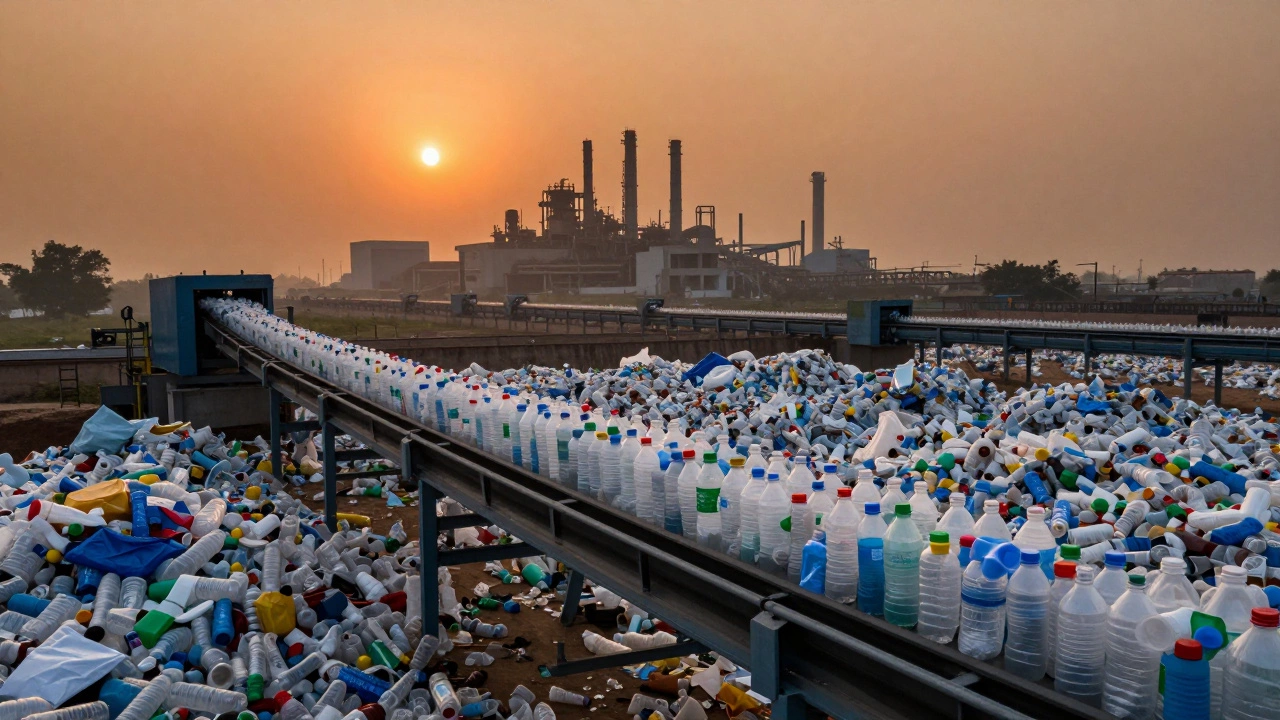
If you had to pick one sector that generates the most plastic waste, it would be packaging. According to data from The Ocean Cleanup, a foundation dedicated to eliminating ocean plastic, the top 20 companies alone were responsible for 10% of all unrecycled plastic packaging waste globally in 2022. These are mostly food and beverage corporations.
Why is packaging such a problem? Because it is designed to be used once and thrown away. A soda bottle might hold liquid for two hours, but its material persists for hundreds of years. Companies like PepsiCo, Nestlé, and Coca-Cola consistently rank high on lists of plastic polluters. They produce billions of single-use containers every year. Even when they promise to increase recycled content, the infrastructure to recycle that plastic often doesn’t exist in many markets.
Consider the sheer volume. Unilever produces roughly 100 billion units of packaging annually. While they have pledged to make all their plastic packaging reusable, recyclable, or compostable by 2025, the reality is that much of it still ends up as waste. The issue isn’t just the company’s intent; it’s the economic model that makes virgin plastic cheaper than recycled plastic. Until that changes, these giants will continue to generate massive waste streams.
| Company | Sector | Primary Waste Source | Recycling Rate (Global Avg) |
|---|---|---|---|
| PepsiCo | Food & Beverage | Bottles, wrappers | < 10% |
| Nestlé | Food & Beverage | Water bottles, snack packs | < 10% |
| Procter & Gamble | Household Products | Detergent bottles, tubes | < 15% |
| Walmart | Retail | Product packaging, bags | Varies by region |
Fast Fashion: The Hidden Plastic Crisis
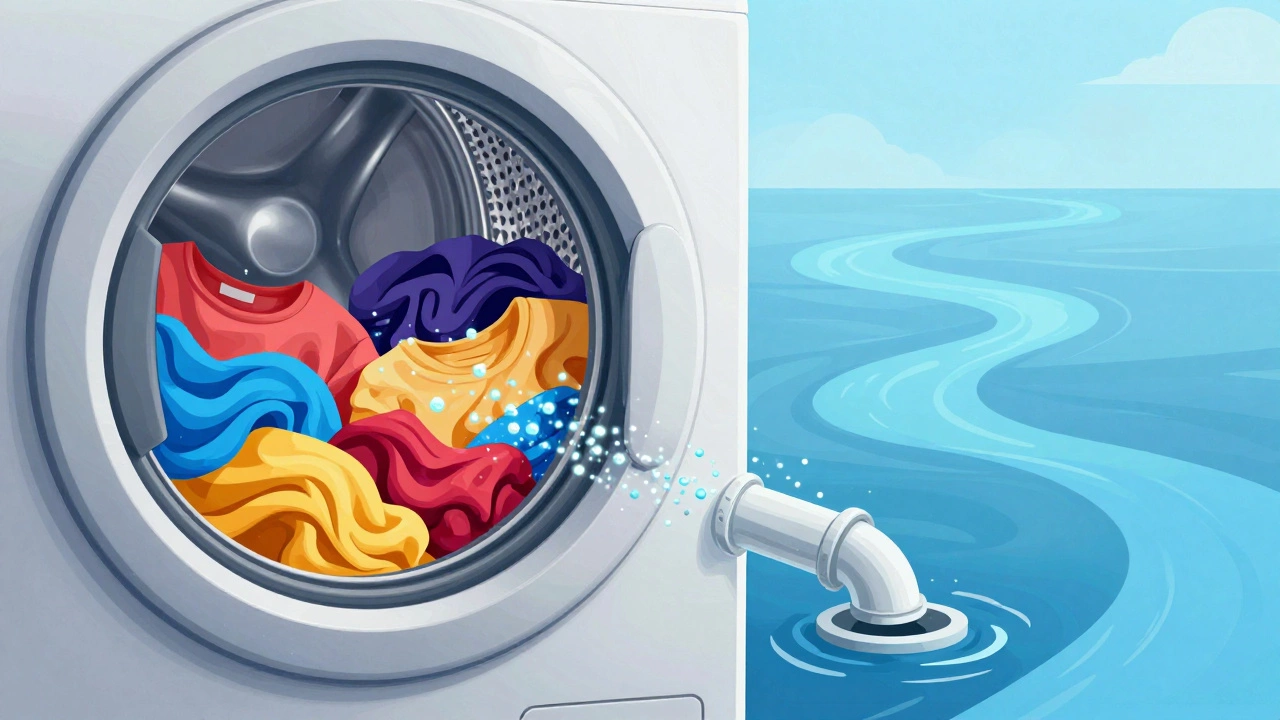
You might not think of clothes as plastic, but synthetic fibers are a major source of microplastics. Polyester, nylon, and acrylic are all made from petroleum. When you wash a fleece jacket, thousands of tiny plastic fibers shed into the water system. These fibers are too small for wastewater treatment plants to catch, so they end up in rivers and oceans.
The fast fashion industry accelerates this problem. Brands like H&M, Zara, and Shein produce cheap clothing meant to be worn a few times before being discarded. In 2023, it was estimated that the fashion industry generated over 60 million tons of textile waste annually. Much of this is synthetic. Unlike natural fibers like cotton or wool, which biodegrade, synthetic textiles break down into microplastics that persist indefinitely.
This is a double threat. First, there is the waste from unsold or discarded garments. Second, there is the pollution from washing them. If you own 10 polyester shirts, you are contributing to microplastic pollution every time you do laundry. The solution isn’t just recycling old clothes; it’s reducing the production of synthetic fabrics in the first place.
Construction and Infrastructure: The Silent Waste Generator
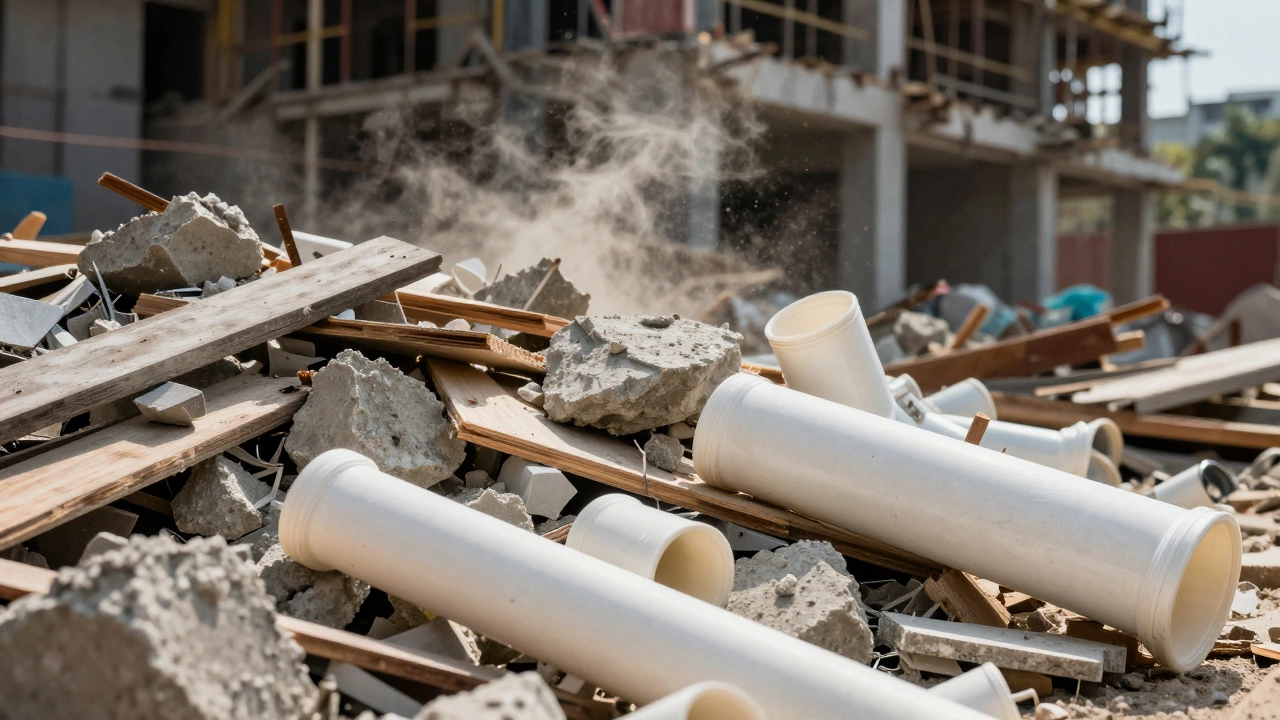
While packaging gets the headlines, the construction industry uses more plastic than any other sector. PVC pipes, insulation foam, window frames, and flooring all rely heavily on plastic materials. However, construction plastic is different from packaging plastic. It is durable and long-lasting, which sounds good. But here is the catch: it is rarely recycled at the end of its life.
When a building is demolished, the mixed materials-concrete, wood, metal, and plastic-are often sent to landfills together. Separating plastic from construction debris is expensive and technically difficult. As a result, millions of tons of construction plastic end up buried rather than reused. This is known as "downcycling," where high-quality materials are degraded into lower-value products or waste.
In developing economies, this problem is worse due to lack of formal waste management systems. In places like Mumbai or Jakarta, informal waste pickers recover some materials, but complex composites used in construction are often left behind. The scale of construction waste dwarfs consumer waste, yet it receives less public attention because it happens out of sight.
Agricultural Plastics: The Field That Can't Be Recycled
Farmers use plastic mulch films to retain moisture and suppress weeds. These thin sheets cover vast areas of farmland. After harvest, they are torn and contaminated with soil and crop residues. Recycling them is nearly impossible with current technology. Instead, farmers often burn them or leave them in the field, where they fragment into microplastics that enter the soil.
This agricultural plastic waste affects food security directly. Microplastics in soil can reduce crop yields and alter nutrient cycles. Despite this, usage continues to grow as demand for food increases. Alternatives like biodegradable mulches exist but are significantly more expensive. Without subsidies or regulation, conventional plastic remains the default choice for large-scale agriculture.
Why Recycling Isn't the Answer
We often hear that recycling solves the plastic crisis. The truth is more complicated. Mechanical recycling works well for certain types of plastic, like PET bottles. But most plastic packaging is multi-layered-combining different polymers to keep food fresh. These layers cannot be separated easily, making the entire package unrecyclable.
Moreover, recycled plastic loses quality after each cycle. Virgin plastic is always purer and cheaper to produce. Unless governments impose taxes on virgin plastic or mandate minimum recycled content, companies have no financial incentive to change. Extended Producer Responsibility (EPR) laws aim to shift this cost back to manufacturers, but enforcement varies widely across countries.
Chemical recycling, which breaks plastic down to its molecular components, is touted as a future solution. However, it remains energy-intensive and unproven at scale. For now, relying on recycling alone ignores the root cause: overproduction of single-use plastics.
What Can Be Done?
Reducing plastic waste requires action at multiple levels. Consumers play a role by choosing products with minimal packaging and supporting brands that use refillable or returnable systems. But individual choices are limited if sustainable options aren’t available or affordable.
Policymakers must implement stricter regulations on single-use plastics. Bans on unnecessary items like straws and cutlery have shown promise in cities worldwide. More importantly, governments should support circular economy initiatives that redesign products for longevity and reuse.
Manufacturers need to innovate beyond incremental improvements. This means rethinking product designs, investing in alternative materials like cellulose-based packaging, and taking responsibility for the entire lifecycle of their products. Transparency is key-companies should disclose their plastic footprint and progress toward reduction goals.
Which country produces the most plastic waste?
China is the largest producer of plastic waste due to its massive manufacturing output and population size. However, per capita, countries like the United States and Germany generate more plastic waste. The total amount depends on whether you measure by absolute volume or consumption patterns.
Is all plastic bad for the environment?
Not all plastic is equally harmful. Durable plastics used in medical devices or automotive parts provide significant benefits and last longer. The biggest environmental impact comes from single-use plastics designed for short-term convenience. Reducing these disposable items has the greatest positive effect.
How does microplastic pollution affect human health?
Microplastics have been found in drinking water, seafood, and even human blood. While research is ongoing, studies suggest potential links to inflammation, hormonal disruption, and cellular damage. The long-term health effects remain unclear, but minimizing exposure through reduced plastic use is a prudent precaution.
Can bioplastics solve the plastic waste problem?
Bioplastics offer partial solutions but come with trade-offs. Some bioplastics require industrial composting facilities to break down properly, which are scarce in many regions. Others compete with food crops for land use. They are not a silver bullet unless paired with better waste infrastructure and reduced overall consumption.
What role do consumers play in reducing plastic waste?
Consumers influence demand by choosing products with less packaging, using reusable alternatives, and properly sorting recyclables. Supporting policies that hold corporations accountable amplifies individual efforts. Collective pressure drives market shifts toward sustainable practices faster than voluntary corporate actions alone.
The question of who wastes the most plastic reveals a complex web of responsibilities. From multinational corporations designing disposable packaging to consumers making daily purchasing decisions, everyone contributes to the problem. Addressing it requires systemic change-not just cleaner streets, but smarter systems that value resources over disposability.