
Car Ownership Cost Calculator
Calculate Your Car Ownership Costs
Many US citizens wonder if they can buy and own a car in India - whether they’re moving there for work, retiring, or just planning a long stay. The short answer is yes, but it’s not as simple as walking into a dealership and driving off in a new Hyundai or Tata. There are rules, paperwork, taxes, and restrictions that can trip you up if you’re not prepared.
Can a US Citizen Actually Buy a Car in India?
Yes, a US citizen can legally own a car in India - but only under specific conditions. You must be legally residing in India. That means you need a valid visa, like an Employment Visa, Student Visa, or Long-Term Visa (LTV). Tourist visas won’t cut it. If you’re on a tourist visa, you can’t register a car in your name.
Indian law doesn’t discriminate based on nationality. What matters is your residential status. If you’re living in India for more than 180 days, you qualify as a resident for vehicle registration purposes. That’s when you can buy, register, and drive a car legally.
How to Buy a Car as a Foreigner
Buying a car in India follows the same steps as for an Indian citizen, but with extra documentation. Here’s what you need:
- Valid passport - with a visa that allows long-term stay
- Proof of Indian address - utility bill, rental agreement, or employer letter
- PAN card - mandatory for all vehicle purchases over ₹50,000. If you don’t have one, you can apply as a non-resident
- Visa and residence proof - issued by the Foreigners Regional Registration Office (FRRO)
- Car insurance - third-party liability is required by law
You’ll also need to pay the same taxes as locals: GST (18-28% depending on the car), road tax (varies by state), and registration fees. Some dealerships may hesitate to sell to foreigners, but larger chains like Maruti Suzuki, Hyundai, and Tata Motors have experience handling foreign buyers.
What About Importing a Car from the US?
If you’re thinking of shipping your own car from the US, be warned: it’s expensive and complicated. India has strict import rules for used vehicles. You can only import a car if:
- You’re relocating to India permanently
- The car is less than 3 years old
- It’s right-hand drive (India drives on the left)
- You pay import duties that can reach 100-150% of the car’s value
For example, a $30,000 Tesla Model 3 imported from the US could cost over $75,000 after taxes and shipping. Most people find it cheaper to buy locally. Even luxury cars like BMW or Mercedes are cheaper in India than importing from the US.
Temporary Stay? You Can Rent or Use a Temporary Import
If you’re only in India for a few months - say, a work assignment or vacation - you don’t need to buy a car. Renting is easy. Companies like Zoomcar, Avis, and Hertz offer long-term rentals with flexible plans.
Alternatively, you can bring your own car temporarily under the Temporary Import Permit system. This lets you drive your US car in India for up to 6 months without paying full import duties. You must:
- Declare the car at customs on arrival
- Provide proof of ownership and insurance
- Leave the country with the car before the permit expires
Many expats use this option for short stays. But don’t overstay - customs officials check for this, and penalties can include fines or confiscation.
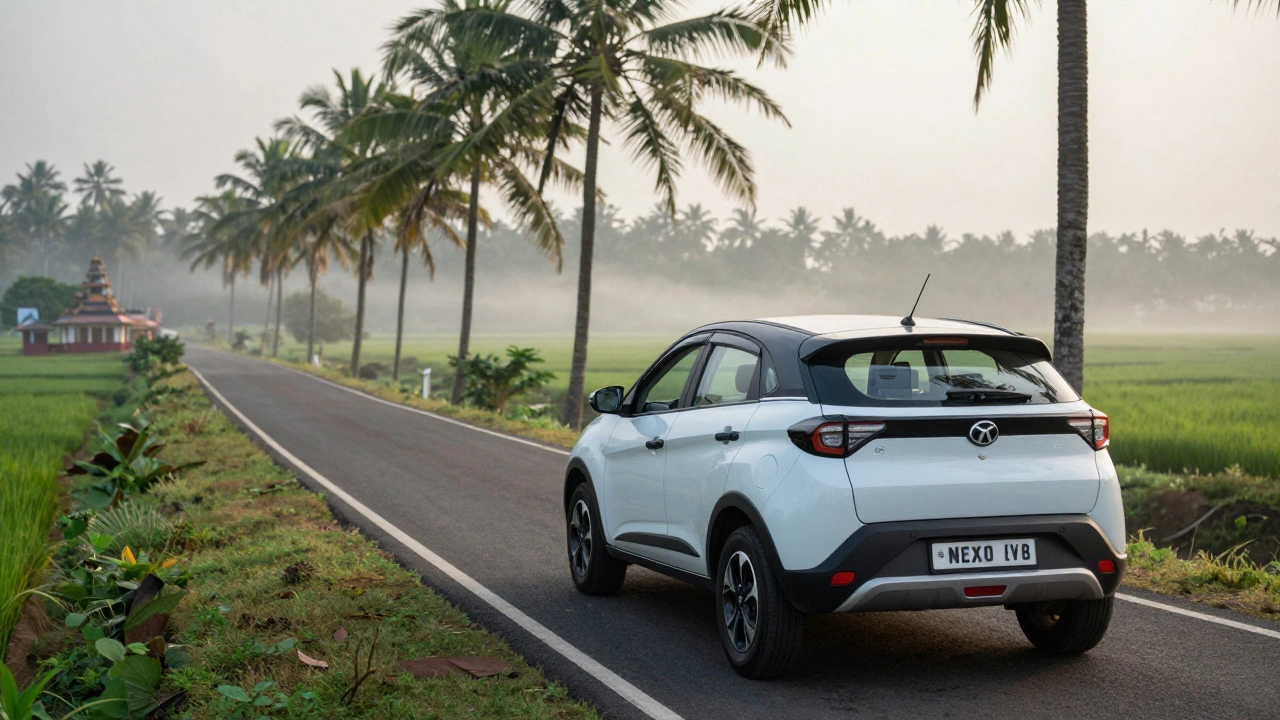
Registration and Number Plates
Once you buy a car, you must register it with the Regional Transport Office (RTO). You’ll get a standard Indian number plate - no special plates for foreigners. The registration process takes 7-15 days. You’ll need to submit:
- Form 20 (application for registration)
- Form 21 (sale certificate from dealer)
- Insurance certificate
- Proof of address
- Passport and visa copies
The RTO will inspect the car for compliance with Indian safety and emission standards. If you’re buying a used car, make sure the previous owner cleared all dues. Unpaid taxes or pending fines can block your registration.
Driving in India as a Foreigner
Can you drive with a US license? Yes - but only for up to one year. After that, you need an Indian driver’s license. To get one:
- Apply at your local RTO
- Submit your US license, passport, visa, and proof of address
- Take a basic driving test (usually just a parking and maneuvering test)
- Pay the fee (around ₹1,000-₹1,500)
Many expats skip this step and keep driving on their US license. But if you’re stopped by police and don’t have an Indian license, you could face a fine or worse - your car could be impounded.
Insurance and Maintenance
Third-party insurance is mandatory. But most people get comprehensive coverage. Indian insurers like ICICI Lombard, HDFC Ergo, and Bajaj Allianz offer policies for foreigners. You’ll need your passport and registration number to apply.
Maintenance is straightforward. Most major brands have service centers in every city. Spare parts are widely available. A typical service (oil change, filter, inspection) costs ₹2,000-₹5,000. Electric cars are becoming popular - Tata Nexon EV and MG Comet EV are affordable options with low running costs.
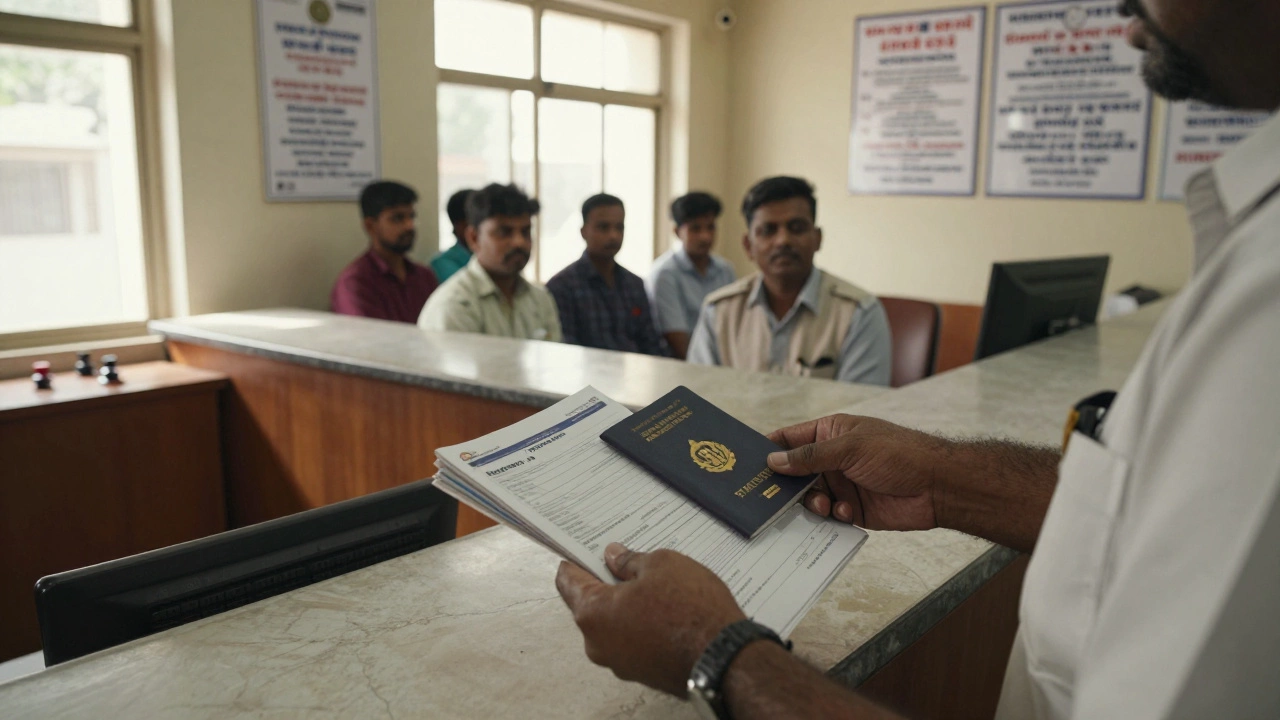
Common Mistakes to Avoid
Many US citizens run into trouble because they assume India works like the US. Here are the biggest pitfalls:
- Thinking a tourist visa is enough - it’s not. You need long-term residency to register.
- Buying a left-hand drive car - illegal on Indian roads. All cars must be right-hand drive.
- Ignoring RTO paperwork - skipping forms or submitting incomplete docs delays registration for weeks.
- Assuming your US insurance covers you - it doesn’t. You need Indian insurance.
- Trying to sell the car before clearing all dues - unpaid road tax or fines block transfer of ownership.
What Happens When You Leave India?
If you’re leaving permanently, you have two choices:
- Sell the car - easiest option. You’ll need to transfer ownership to the buyer at the RTO. Pay any pending taxes first.
- Export the car - possible, but expensive. You’ll need to re-export within 180 days of leaving. Pay customs fees again. Most people skip this.
Don’t leave the car behind. Unregistered or abandoned vehicles can lead to legal headaches - including fines or even police inquiries.
Bottom Line: Is It Worth It?
For short stays? Rent. For a year or more? Buy locally. Importing your own car is rarely cost-effective. The Indian market offers reliable, affordable cars with strong resale value. A Maruti Swift or Hyundai Creta costs less than half what it does in the US - and you’ll save on insurance, fuel, and maintenance.
Just make sure you follow the rules. Get your visa right. Get your PAN card. Register properly. Drive legally. Then enjoy the freedom of having your own car in India - from Mumbai traffic to hill roads in Kerala.
Can a US citizen buy a car in India on a tourist visa?
No. You must have a long-term visa - like an Employment Visa, Student Visa, or Long-Term Visa - to register a car. Tourist visas don’t allow vehicle registration. Dealers will refuse to sell to you, and the RTO will reject your application.
Do I need an Indian driver’s license if I have a US license?
You can drive on your US license for up to one year. After that, you must get an Indian driver’s license. Some expats drive longer without one, but if you’re pulled over, you risk fines or impoundment. Getting an Indian license is easy - just visit your local RTO with your US license and proof of address.
Can I import my Tesla or BMW from the US to India?
Technically yes, but it’s rarely worth it. India charges import duties of 100-150% on used cars. A $40,000 BMW could cost over $100,000 after taxes, shipping, and customs. Plus, the car must be right-hand drive and under 3 years old. Most people buy locally - even luxury cars are cheaper in India than importing.
What taxes do I pay when buying a car in India?
You pay GST (18-28%), road tax (varies by state - 5-15% of car price), and registration fees (₹500-₹2,000). Electric cars get lower GST (5%). Used cars have lower taxes than new ones. All taxes are included in the final price at dealerships - just ask for a breakdown.
Can I sell my car in India if I’m leaving the country?
Yes. You can sell your car to anyone in India. You must transfer ownership at the RTO. Clear all pending taxes and fines first. The buyer will handle the paperwork. You don’t need to export the car unless you want to. Selling locally is the easiest and most common option.