Filtration in HVAC Systems: What You Need to Know
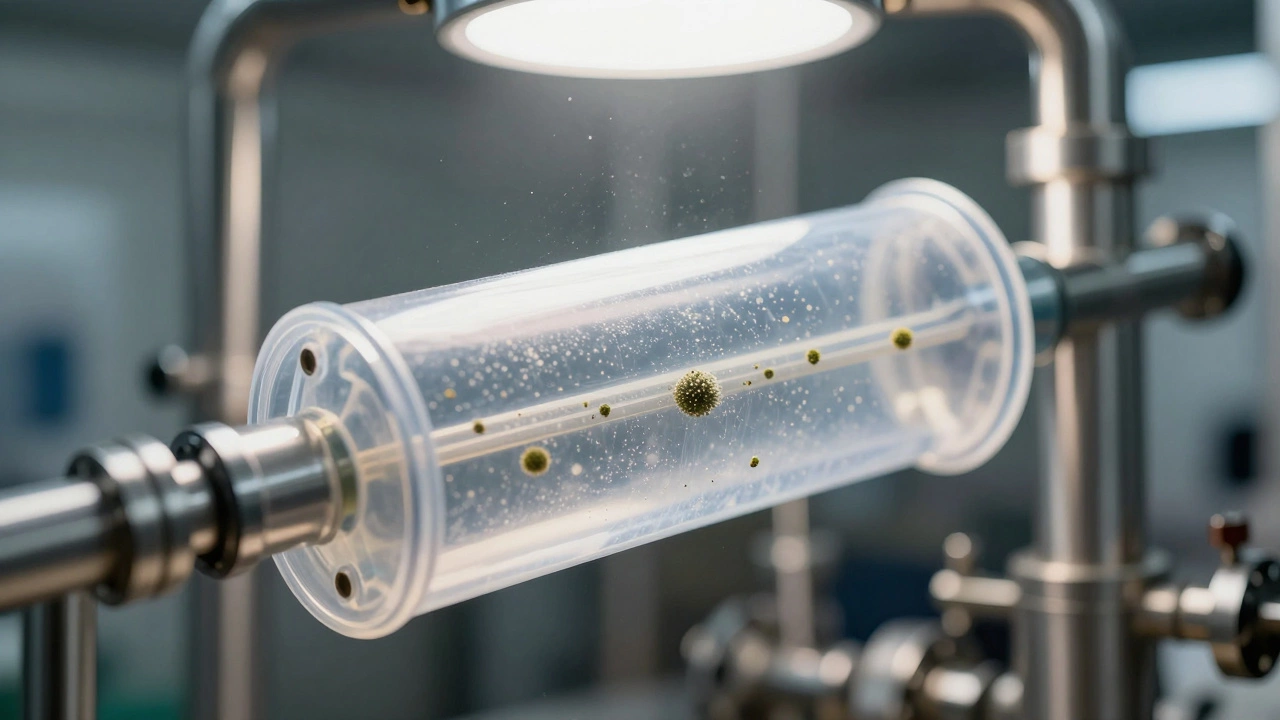
When you think about your HVAC system, you probably focus on heating or cooling—but the real hero is often hidden: filtration, the process of removing dust, pollen, and airborne particles from air before it circulates through your building. Also known as air cleaning, it’s not just about comfort—it’s about health, efficiency, and how long your equipment lasts. Without proper filtration, your system works harder, wears out faster, and pushes dirty air into rooms where people breathe all day.
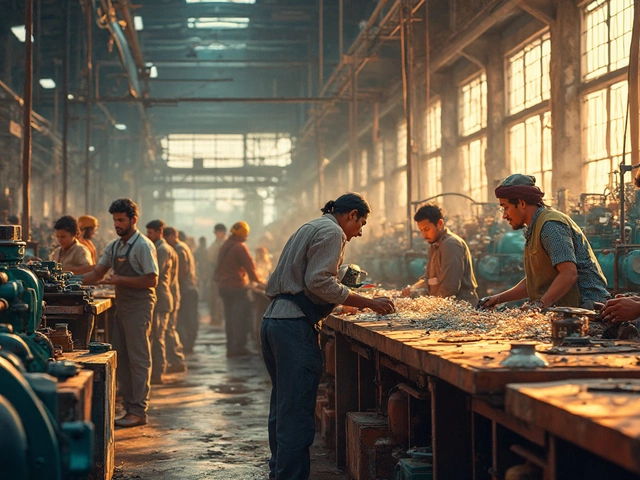
Filtration isn’t one-size-fits-all. It ranges from basic fiberglass filters that catch large dust particles to high-efficiency pleated filters and even HEPA-grade systems used in hospitals and labs. In industrial settings, filters handle sawdust, metal shavings, and chemical fumes. In offices and homes, they trap pet dander, mold spores, and smoke. The right filter depends on your space, your air quality goals, and what your HVAC system can handle. Air filters, physical or electrostatic media designed to trap airborne contaminants are the most common tool, but they’re only as good as how often you change them. A clogged filter doesn’t just reduce airflow—it can cause your compressor to overheat and your energy bills to spike.
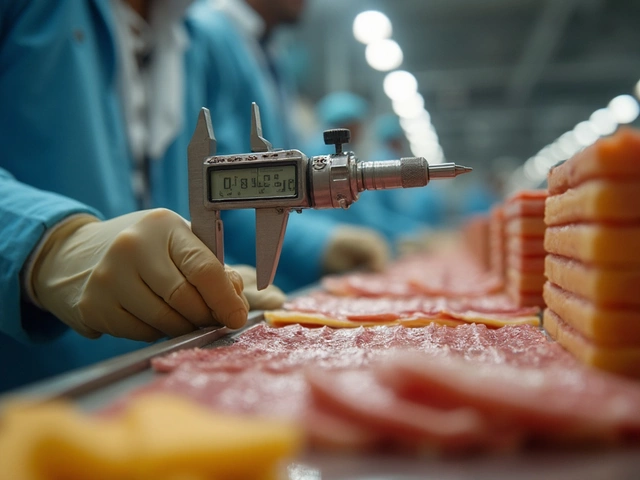
Good filtration also connects to bigger trends in Indian manufacturing. As companies push for energy-efficient HVAC systems, better filtration is a key part of the design. Manufacturers are now building units with smarter filter monitoring, longer-lasting media, and compatibility with smart thermostats. This isn’t just tech—it’s practical. In cities like Delhi or Mumbai, where outdoor air quality is poor, indoor filtration becomes essential. Even small factories use filtration to protect sensitive machinery from dust buildup. And in food processing plants or textile mills, where airborne particles can ruin products, filtration is non-negotiable.
You don’t need a PhD to understand filtration. But you do need to know what’s in your system and why it matters. The posts below show real examples: how filtration impacts manufacturing efficiency, why some factories skip it (and pay for it later), and how Indian businesses are upgrading filters to cut costs and improve safety. Whether you run a small workshop, manage a commercial building, or just want cleaner air at home, what’s inside your filter makes a difference.