Small Factory Expenses: What It Really Costs to Run a Small Manufacturing Unit in India
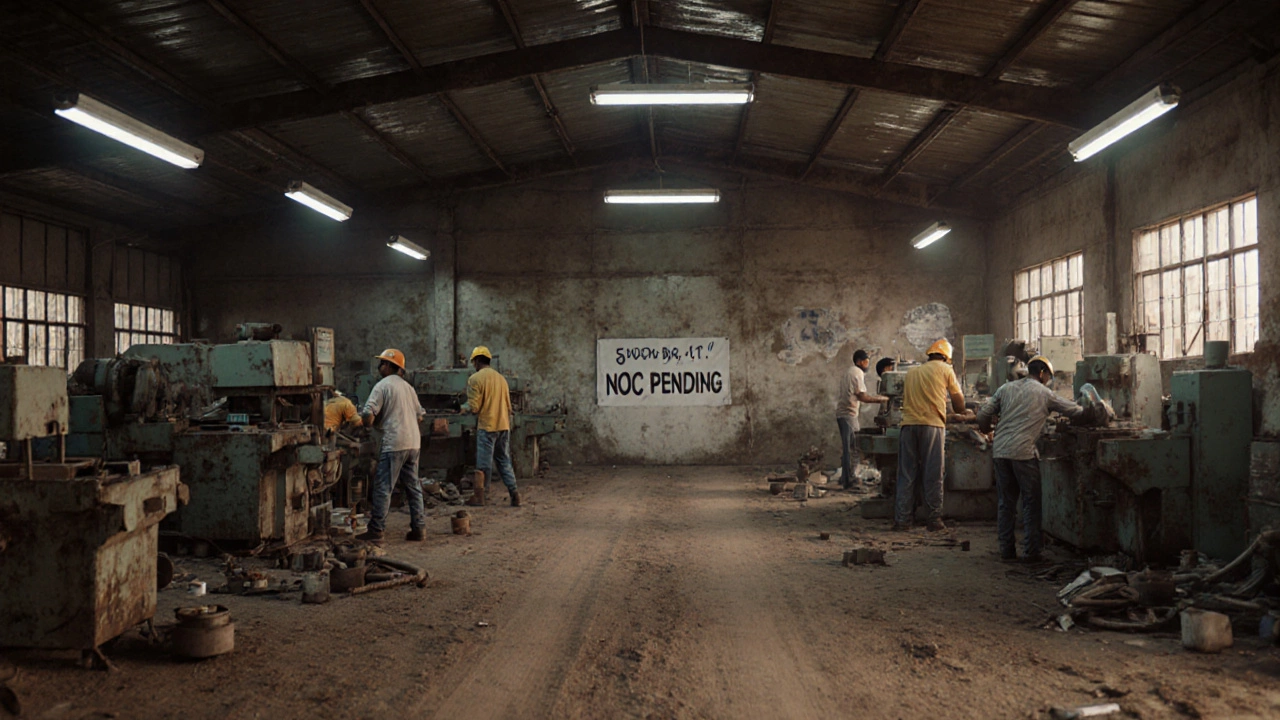
When you think of starting a small factory, a local manufacturing setup producing goods like food, textiles, or simple mechanical parts. Also known as small-scale manufacturing, it’s one of the most accessible ways to build a business in India. But here’s the truth most guides skip: running one isn’t just about buying machines. The real cost lives in the day-to-day small factory expenses—the hidden drains that eat into profits before you even sell your first product.
Take electricity, the single biggest recurring cost for most small manufacturing units in India. A small textile unit or metal fabrication shop might use 30-50 kW daily. That’s ₹8,000 to ₹15,000 a month just for power, depending on your state’s rates. Add in diesel backups for frequent outages, and you’re looking at another ₹3,000-₹7,000. Then there’s labor, the human engine behind every small factory. Even with 5-8 workers, wages, overtime, and mandatory benefits like PF and ESI can hit ₹1.2-₹2 lakh monthly. And don’t forget the invisible costs: broken tools, raw material waste, transport delays, and the time lost fixing machines because you can’t afford a full-time technician.
Government schemes like the MOM scheme, a cash incentive program for small manufacturers who boost output help, but they don’t cover your monthly bills. You still need to track every rupee. Many new owners think they’re saving money by skipping maintenance or hiring underpaid workers. That’s a trap. A single machine breakdown can cost more than a year’s worth of scheduled servicing. And workers who feel undervalued? They leave. Then you’re hiring and training again—costing time, money, and momentum.
What makes this even trickier is that small factory expenses, the sum of all recurring operational costs in a small manufacturing unit don’t stay the same. Electricity rates rise. Raw material prices swing. Minimum wages change. The only way to survive is to know your numbers cold. That’s why the posts below aren’t just about ideas—they’re about real costs, real trade-offs, and real stories from people who’ve been there. You’ll find what it takes to start with almost no money, how to cut waste without cutting quality, and which industries actually make sense in today’s economy. No fluff. Just what you need to stop guessing and start building.