Textile Manufacturers in India: Who’s Who and What to Look For
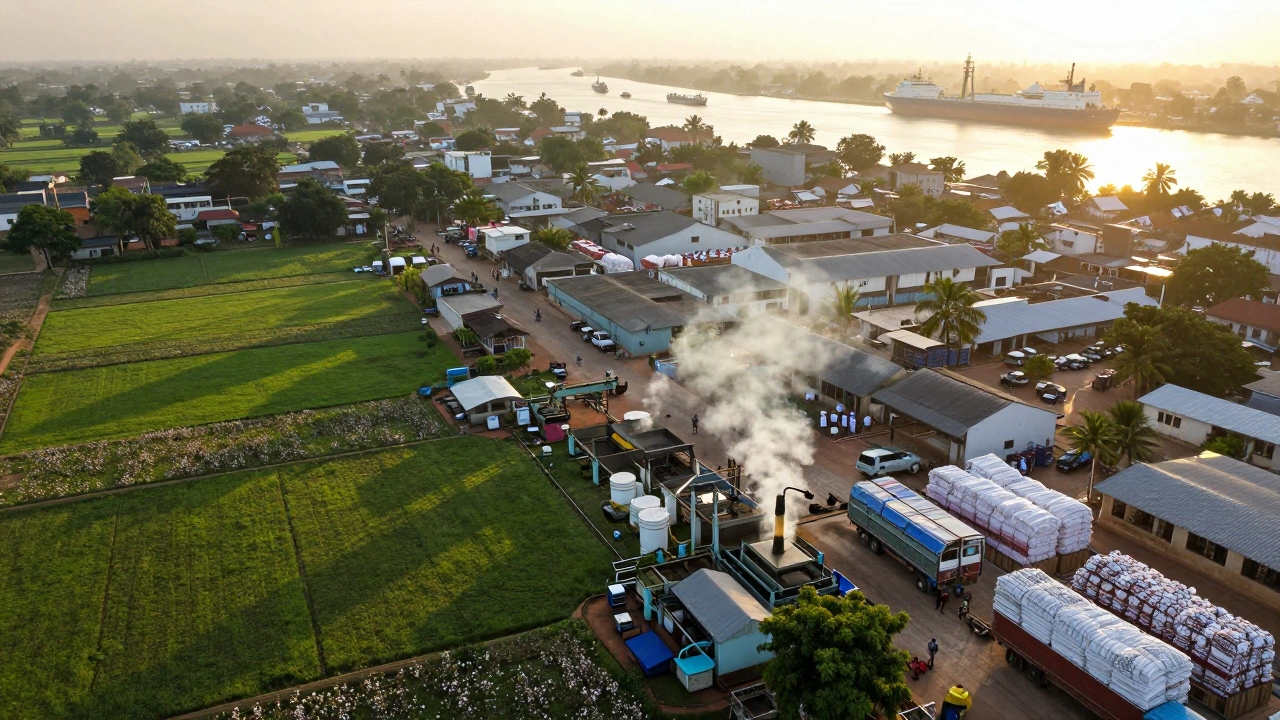
If you’re hunting for a partner to make fabrics, garments, or industrial textiles, India’s manufacturing scene is huge and varied. You’ll find everything from family‑run mills in Gujarat to high‑tech yarn producers in Tamil Nadu. Knowing which companies actually deliver quality, on‑time shipments, and competitive prices can save you time, money, and headaches.
Big Players and Niche Specialists
First up, the majors. Companies like Arvind Limited, Vardhman Textiles, and Welspun India dominate the market by sheer scale. They have multiple plants, strong export networks, and a track record of meeting large orders. If you need 10,000 meters of denim or a steady supply of cotton fabric, these are the names that usually come up.
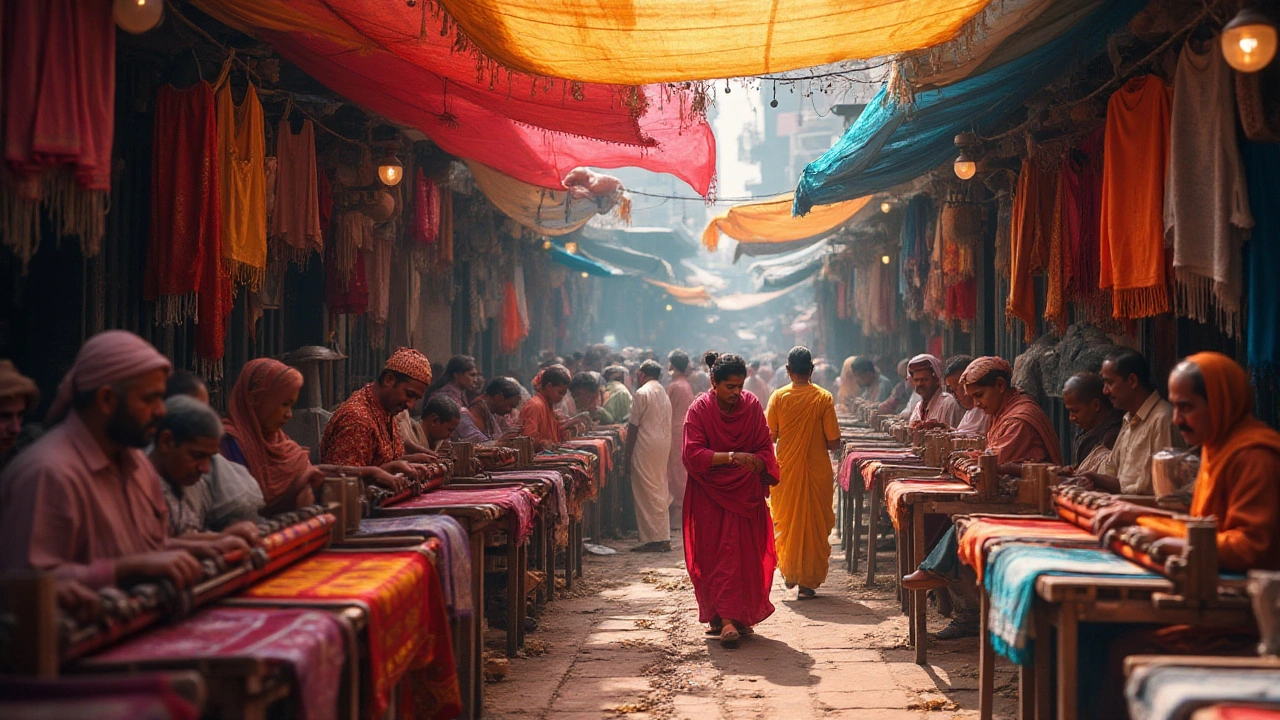
But size isn’t everything. Smaller manufacturers often specialize in niche fabrics – think organic cotton, technical polyester blends, or bespoke silk prints. Places like Surat, Tirupur, and Panipat host dozens of such specialists. They’re quick on the draw, flexible with designs, and can often work out custom dyeing or finishing that big players treat as a side‑note.
How to Pick the Right Manufacturer
Start with a clear brief. List the fiber type, GSM, color fastness, and any certifications you need (OEKO‑Tex, GOTS, etc.). When you reach out, ask for a sample batch and a timeline. A reliable factory will give you a concrete production plan, not a vague ‘we’ll get back to you later.’
Next, check their compliance records. Most Indian textile mills are registered with the Ministry of Textiles and have ISO certifications. A quick search on the official portal can confirm their legal status. Also, look for recent audit reports – many exporters share these on their websites.
Pricing matters, but the cheapest quote isn’t always the best deal. Factor in hidden costs like shipping, customs duties, and potential re‑work. A mid‑range price combined with strong quality control usually ends up cheaper in the long run.
Finally, visit the factory if you can. Seeing the production line, talking to floor supervisors, and checking inventory levels gives you confidence that the partner can scale up if you need more volume later.
India’s textile ecosystem is booming thanks to government incentives, a skilled workforce, and growing export demand. By focusing on clear specifications, compliance, and realistic cost assessments, you can tap into this vibrant market and get fabrics that meet your exact needs.
Ready to start? Grab a list of verified manufacturers, send out your spec sheet, and watch the samples roll in. The right Indian textile maker can turn a simple idea into a high‑quality product that competes worldwide.