Pharma Partner Matcher
Configure Your Requirements
Tagline goes here
Why this match?
Core Competencies:
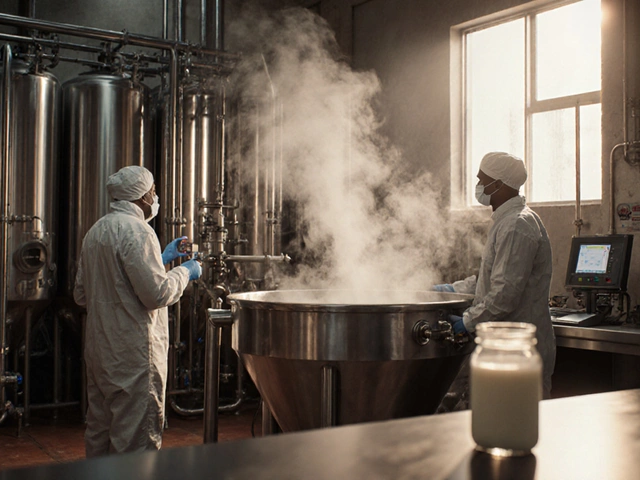
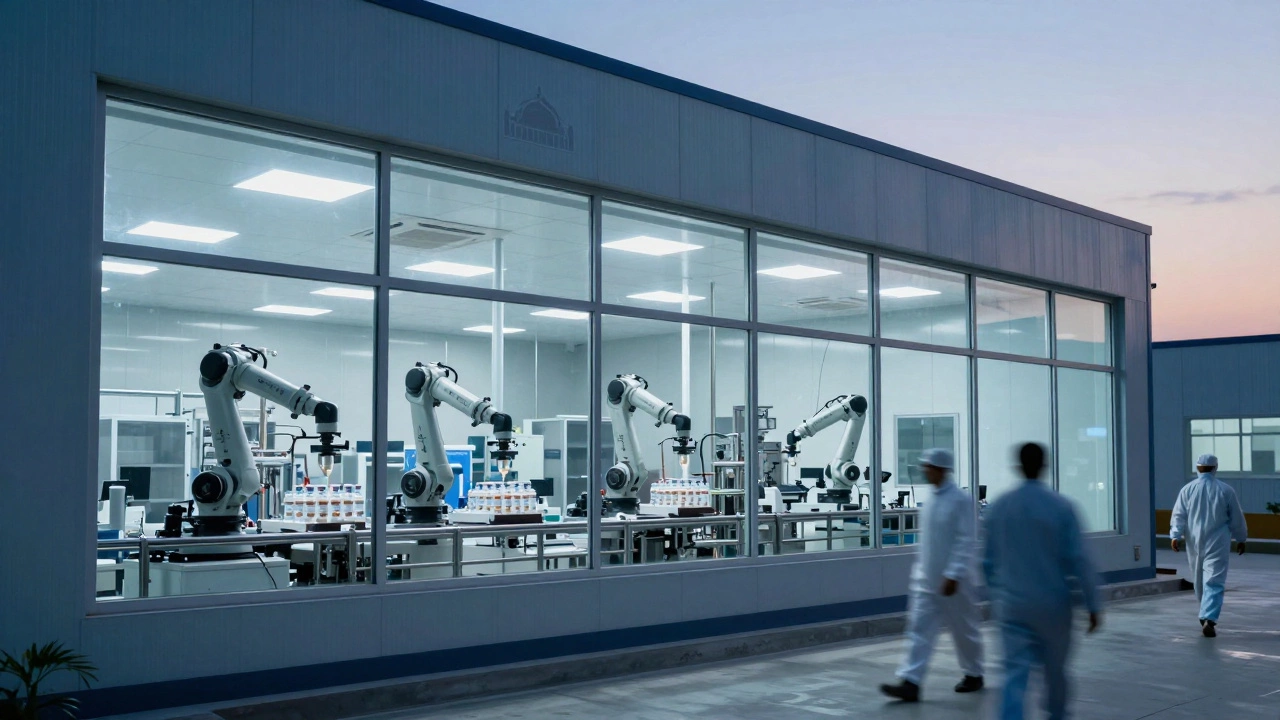
India is often called the "pharmacy of the world," but that title doesn't just come from volume. It comes from trust. When you look at the global supply chain for life-saving medicines, Indian names are everywhere. From affordable HIV treatments in Africa to complex oncology drugs in the US, Indian pharmaceutical laboratories are facilities that manufacture, test, and distribute medical products globally play a critical role.
If you are a healthcare professional, a procurement manager, or an investor looking into the sector, knowing who the heavyweights are matters. These aren't just companies; they are ecosystems with massive research arms, strict quality controls, and global regulatory approvals. Here is a breakdown of the top 10 pharma labs in India as of 2026, why they matter, and what makes them stand out.
The Giants: Global Reach and Scale
At the very top of the pyramid are companies that don't just sell pills; they set standards. These firms have decades of experience navigating the FDA (US Food and Drug Administration) and EMA (European Medicines Agency) regulations. Their scale allows them to produce billions of units annually while maintaining consistency.
| Company Name | Headquarters | Key Strength | Global Presence |
|---|---|---|---|
| Sun Pharmaceutical Industries | Mumbai, Maharashtra | Largest generic manufacturer in India; strong in dermatology and CNS (Central Nervous System) | Operations in 100+ countries; major US market share |
| Dr. Reddy's Laboratories | Hyderabad, Telangana | Early mover in generics; strong R&D in complex formulations and biologics | Strong presence in US, EU, and emerging markets like Brazil and Russia |
| Cipla Limited | Mumbai, Maharashtra | Pioneer in affordable HIV/AIDS treatments; leader in respiratory and pulmonary care | Extensive network in Africa, Asia, and Western markets |
Sun Pharma, for instance, isn't just big because it was early. It’s big because it mastered the art of complex generics. While many competitors stuck to simple tablets, Sun invested heavily in difficult-to-make drugs like inhalers and extended-release capsules. This technical barrier keeps smaller players out and ensures steady revenue streams.
Dr. Reddy’s takes a slightly different approach. They focus heavily on innovation within generics, meaning they try to improve existing drugs rather than just copying them. Their work in biologics-complex drugs derived from living organisms-is putting them ahead of many traditional chemical pharma firms. For buyers looking for cutting-edge biosimilars, Dr. Reddy’s is often the first name on the list.
Cipla has a unique legacy. Founded by Dr. Yusuf Hamied, the company built its reputation on making essential medicines accessible. Today, that mission translates into robust supply chains for low-cost high-volume drugs. If you need reliable supplies of antiretrovirals or antibiotics for developing markets, Cipla’s infrastructure is unmatched in terms of cost-efficiency without compromising quality.
The Innovators: Biologics and Specialty Drugs
The next tier of top pharma labs focuses less on volume and more on value. These companies specialize in specialty pharmaceuticals, oncology, and biologics. The margins here are higher, but so is the risk. You need deep scientific expertise to compete here.
Biocon Limited stands out here. Unlike traditional chemical manufacturers, Biocon started with biotechnology. They are one of the few Indian companies capable of producing large-scale monoclonal antibodies and insulin analogs. Their partnership with Merck KGaA in Germany highlights their global credibility. If your interest lies in diabetes care or autoimmune diseases, Biocon is a key player to watch.
Then there is Laurus Labs. Laurus is often described as a hybrid model. They are strong in Active Pharmaceutical Ingredients (APIs)-the raw chemicals that make drugs work-but they also have a growing finished dosage form business. This vertical integration means they control the entire supply chain, from the molecule to the pill bottle. In a world where supply chain disruptions are common, this self-reliance is a massive advantage.
Aurobindo Pharma rounds out this group with a diverse portfolio. They are particularly strong in anti-infectives and central nervous system drugs. Aurobindo has been aggressive in expanding its capacity in recent years, building new facilities in Goa and Gujarat to meet rising global demand. Their ability to scale quickly makes them a preferred partner for multinational corporations needing bulk supplies.
The Specialists: Niche Markets and APIs
Not every top lab tries to be everything to everyone. Some dominate specific niches, such as surgical consumables, ophthalmology, or pure API manufacturing. These companies are crucial because they provide the backbone for broader healthcare systems.
Macleods Pharmaceuticals is a prime example. While they have a strong consumer health brand (think Volini pain relief gels), their institutional business is formidable. They are leaders in cardiovascular and metabolic disorders. Macleods’ strength lies in its distribution network within India, which is vast and penetrates even remote rural areas. For domestic market access, they are hard to beat.
Alkem Laboratories operates differently. They follow a "quality over quantity" strategy. Alkem produces fewer products than Sun or Cipla, but each product is highly specialized and often protected by patents or exclusive licenses. They are known for their excellence in urology, neurology, and women’s health. Their rigorous quality control processes mean they rarely face regulatory issues, which builds immense trust among international regulators.
Finally, we have Hetero Labs. Hetero is primarily an API manufacturer. They don’t just sell finished pills; they sell the ingredients to other pharma companies worldwide. They are a global leader in oncology APIs and antifungal agents. As the world shifts towards localized manufacturing of critical drug components, Hetero’s position as a supplier of high-quality intermediates becomes increasingly valuable.
Why These Labs Matter in 2026
The landscape of Indian pharma has changed significantly. It’s no longer just about being cheap. It’s about compliance, sustainability, and innovation. The top 10 labs listed above have adapted to these changes better than most.
- Regulatory Compliance: All these companies maintain multiple FDA-approved facilities. This isn't easy; it requires continuous audits and upgrades. Their clean track records make them safe bets for global partnerships.
- R&D Investment: Companies like Dr. Reddy’s and Biocon spend a significant percentage of their revenue on research. This ensures they aren't left behind when patent cliffs hit or new disease targets emerge.
- Supply Chain Resilience: After the disruptions of the early 2020s, these firms have diversified their sourcing. They have plants in different regions of India and sometimes abroad, reducing the risk of single-point failures.
For anyone looking to engage with the Indian pharma sector, understanding these distinctions is key. Are you looking for volume? Go with Sun or Cipla. Do you need complex biologics? Look at Biocon or Dr. Reddy’s. Need reliable APIs? Hetero and Laurus are your go-tos.
Challenges Facing Indian Pharma Labs
It’s not all smooth sailing. Even the top labs face hurdles. One major issue is pricing pressure. In markets like the US, government initiatives aim to lower drug prices, which squeezes margins for generic manufacturers. Indian companies must constantly find ways to reduce production costs without sacrificing quality.
Another challenge is competition from China. While India leads in formulated drugs, China still dominates the API market. Many Indian labs rely on Chinese raw materials, creating a dependency risk. To counter this, the Indian government has introduced PLI (Production Linked Incentive) schemes to encourage domestic API manufacturing. Companies like Laurus and Hetero are benefiting from these policies by expanding their local capacities.
Environmental regulations are also tightening. Pharma manufacturing involves hazardous chemicals, and waste management is becoming stricter globally. Top labs are investing heavily in green chemistry and sustainable practices to meet these standards. Failure to adapt could lead to fines or shutdowns, so this is a critical area of focus for all major players.
How to Choose the Right Partner
If you are evaluating these labs for potential collaboration, consider these factors:
- Therapeutic Expertise: Does the company have a proven track record in your specific area of interest? A company strong in cardiology may not be the best choice for oncology needs.
- Regulatory History: Check their recent FDA inspection reports. A clean history indicates robust quality systems.
- Capacity and Scalability: Can they handle your volume requirements now and in the future? Visit their facilities if possible to assess their operational efficiency.
- Innovation Pipeline: Look at their R&D pipeline. Are they working on next-generation therapies? This shows long-term viability.
Engaging with any of these top 10 pharma labs offers a gateway to high-quality, cost-effective healthcare solutions. Whether you are sourcing for a hospital network, a retail pharmacy chain, or a global distributor, these companies represent the pinnacle of Indian pharmaceutical manufacturing.
Which is the largest pharma company in India by revenue?
Sun Pharmaceutical Industries is consistently ranked as the largest pharmaceutical company in India by revenue. It holds a significant market share in both domestic and international markets, particularly in the United States.
Are Indian pharma drugs approved by the FDA?
Yes, many leading Indian pharma companies, including Sun Pharma, Dr. Reddy’s, and Cipla, have numerous facilities approved by the US Food and Drug Administration (FDA). They undergo regular inspections to ensure compliance with strict quality standards.
What is the difference between API and formulation?
API (Active Pharmaceutical Ingredient) is the chemical substance that causes the biological effect in a drug. Formulation is the process of combining the API with other inactive ingredients to create the final medicine, such as a tablet or capsule. Companies like Hetero Labs specialize in APIs, while others like Sun Pharma focus on formulations.
Which Indian pharma company is best for biologics?
Biocon Limited is widely regarded as the leader in biologics among Indian pharma companies. They specialize in complex biopharmaceuticals, including monoclonal antibodies and biosimilars, and have strong partnerships with global giants like Merck KGaA.
Why is India called the pharmacy of the world?
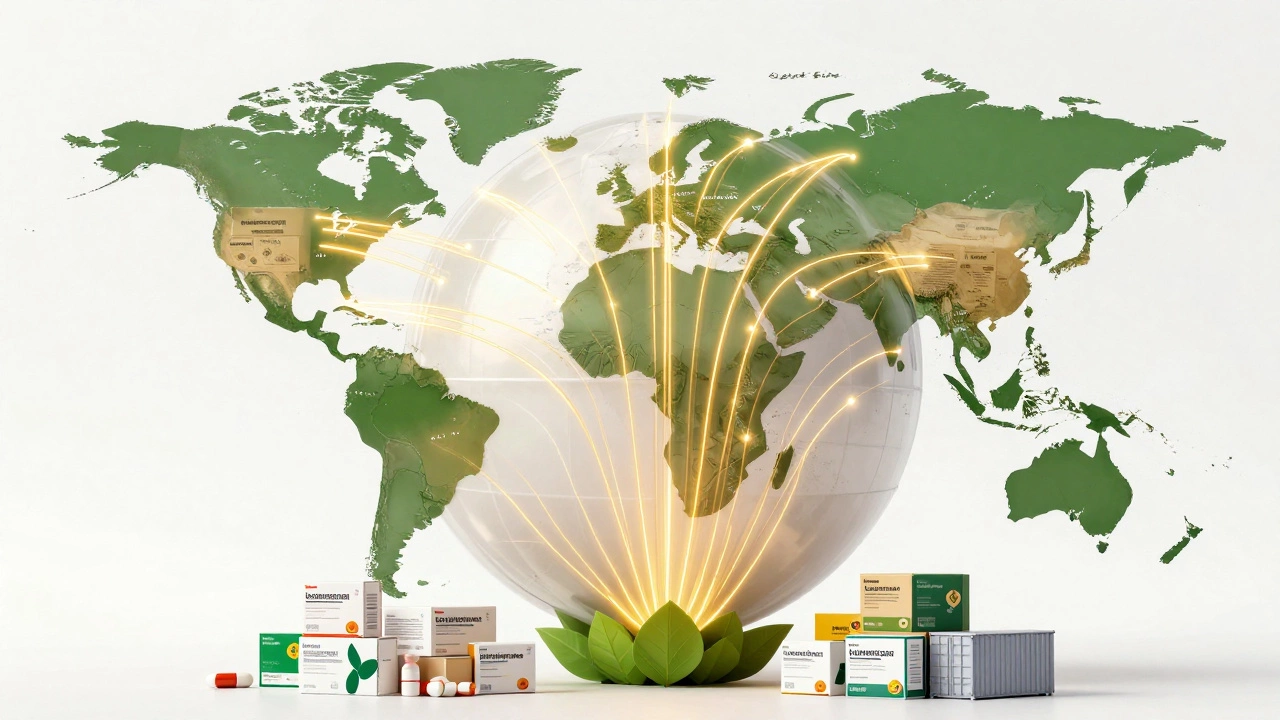
India is called the pharmacy of the world because it supplies a large percentage of the world’s generic medicines. It provides over 50% of the global demand for various vaccines and 70% of the generic medicines needed in Africa. Its ability to produce high-quality drugs at low costs makes it indispensable to global health.
Do Indian pharma companies invest in R&D?
Yes, top Indian pharma companies are increasingly investing in Research and Development (R&D). While historically focused on reverse engineering generics, companies like Dr. Reddy’s, Biocon, and Sun Pharma now have dedicated R&D centers working on novel drug delivery systems, biosimilars, and new molecular entities.
What are the main challenges for Indian pharma exports?
Key challenges include stringent regulatory requirements from markets like the US and Europe, price pressures due to generic competition, dependency on China for certain Active Pharmaceutical Ingredients (APIs), and increasing environmental compliance costs.