Ocean Plastic Impact Analyzer
Select Plastic Type
Choose a common plastic found in oceans to analyze its impact.
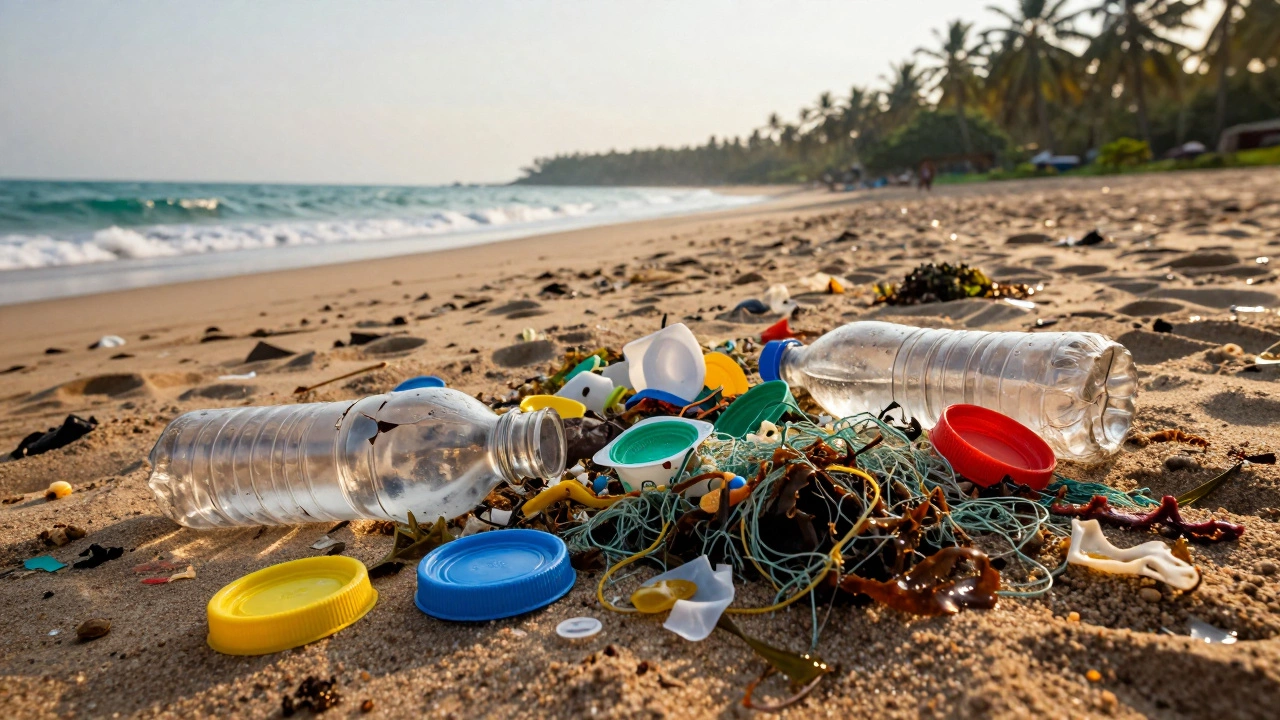
Imagine standing on a beach in Goa or Bali. You look down, and instead of just sand, you see fragments of bottles, wrappers, and fishing nets tangled in the seaweed. It’s a scene that has become tragically familiar. But have you ever stopped to ask yourself: exactly *what* is causing this mess? Is it one specific type of plastic, or is it everything we throw away?
The answer isn't as simple as pointing at one villain. However, if we look at the data from environmental agencies and manufacturing reports, a clear picture emerges. The biggest polluters aren't just random items; they are specific types of plastics designed for convenience but built to last forever. For those of us in the manufacturing sector, understanding this breakdown is crucial. It’s not just about guilt; it’s about opportunity.
The Heavy Hitters: Single-Use Plastics
When people talk about ocean plastic, they usually picture a bottle. And they’re right. Polyethylene Terephthalate (PET), commonly known as PETE, is the material used for most water and soda bottles. According to recent studies by organizations like the Ocean Conservancy, beverage containers consistently rank as the number one item found in beach cleanups worldwide.
Why is PET such a problem? It’s lightweight, cheap to produce, and transparent. But it’s also incredibly difficult to recycle effectively once it gets dirty or mixed with other materials. In many developing nations, where waste management infrastructure is still catching up, these bottles end up in drains, rivers, and eventually, the sea. Once there, UV radiation breaks them down into microplastics, which are ingested by marine life.
But bottles are only part of the story. If you look at the sheer volume of waste, Polypropylene (PP) is a close second. This is the plastic used for food containers, yogurt pots, caps, and lids. Think about how many times you’ve thrown away a lid separately from a container. That fragmentation makes recycling a nightmare. PP is durable and resistant to heat, which is great for your lunchbox, but terrible for the ecosystem when it escapes into nature.
| Plastic Type | Common Uses | Recyclability | Environmental Impact |
|---|---|---|---|
| Polyethylene Terephthalate (PET) | Beverage bottles, food jars | Moderate (requires sorting) | High volume, breaks into microplastics |
| Polypropylene (PP) | Caps, lids, food containers | Low (often rejected by recyclers) | Fragmentation, ingestion by wildlife |
| High-Density Polyethylene (HDPE) | Milk jugs, detergent bottles | High (widely accepted) | Less common in oceans than PET/PP |
| Polystyrene (PS) | Styrofoam cups, cutlery | Very Low (rarely recycled) | Breaks into small beads, toxic |
The Silent Killer: Fishing Gear
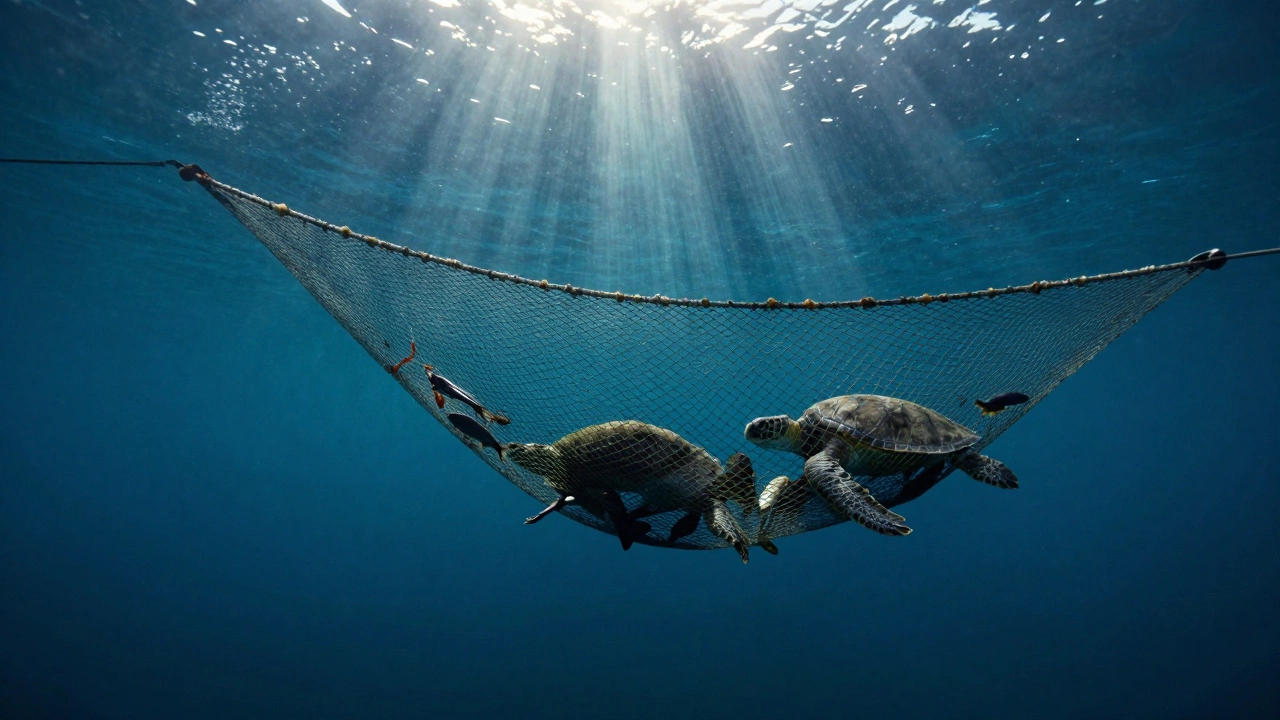
While single-use plastics get all the media attention, there’s another category that causes disproportionate harm: Nylon and Polyamide fishing gear. Ghost nets, lost lines, and discarded traps account for a massive percentage of large debris in the ocean. Unlike a bottle that might wash ashore, these nets drift for years, trapping turtles, sharks, and fish in a process called "ghost fishing."
This is a critical point for manufacturers. While we often focus on consumer packaging, industrial-grade plastics used in maritime industries have a longer lifecycle impact. Nylon is strong and resistant to rot, which is perfect for fishing, but it means it never truly disappears. It just becomes smaller and more dangerous over time.
Microplastics: The Invisible Threat
You can’t see them, but they are everywhere. Microplastics are tiny particles, less than 5 millimeters in size, that come from two sources: primary microplastics (like microbeads in cosmetics) and secondary microplastics (broken-down larger plastics). Recent research indicates that secondary microplastics make up the majority of ocean plastic pollution.
This is where the chemistry of plastic comes into play. Polymers like Polyethylene (PE), used in plastic bags and films, degrade slowly under sunlight. They don’t biodegrade; they photodegrade. This means they break into smaller and smaller pieces without losing their chemical toxicity. These particles enter the food chain, starting with plankton and ending up on our dinner plates. As a manufacturer, this highlights the need for better material science-creating plastics that are either fully biodegradable or infinitely recyclable without degradation.
Who Is Responsible? The Manufacturing Angle
It’s easy to blame the consumer for littering. But let’s be honest: if we didn’t produce so much single-use plastic, would there be so much to litter? The responsibility lies heavily with Plastic Manufacturing Companies. For decades, the industry has prioritized cost and convenience over sustainability. Producing virgin plastic is cheaper than recycling, and designing products for disposability drives sales.
However, the tide is turning. Governments around the world, including India, are introducing stricter regulations on single-use plastics. The EU’s Single-Use Plastics Directive and similar laws in Asia are forcing manufacturers to rethink their designs. This isn’t just a regulatory hurdle; it’s a market shift. Consumers are demanding eco-friendly alternatives. Brands that continue to rely on traditional, non-recyclable plastics risk losing market share.
Solutions for Manufacturers
So, what can be done? Here are three actionable steps for businesses in the plastic manufacturing sector:
- Design for Recyclability: Avoid multi-layered packaging that combines different types of plastics (like PET and aluminum). These are nearly impossible to recycle. Stick to mono-materials whenever possible.
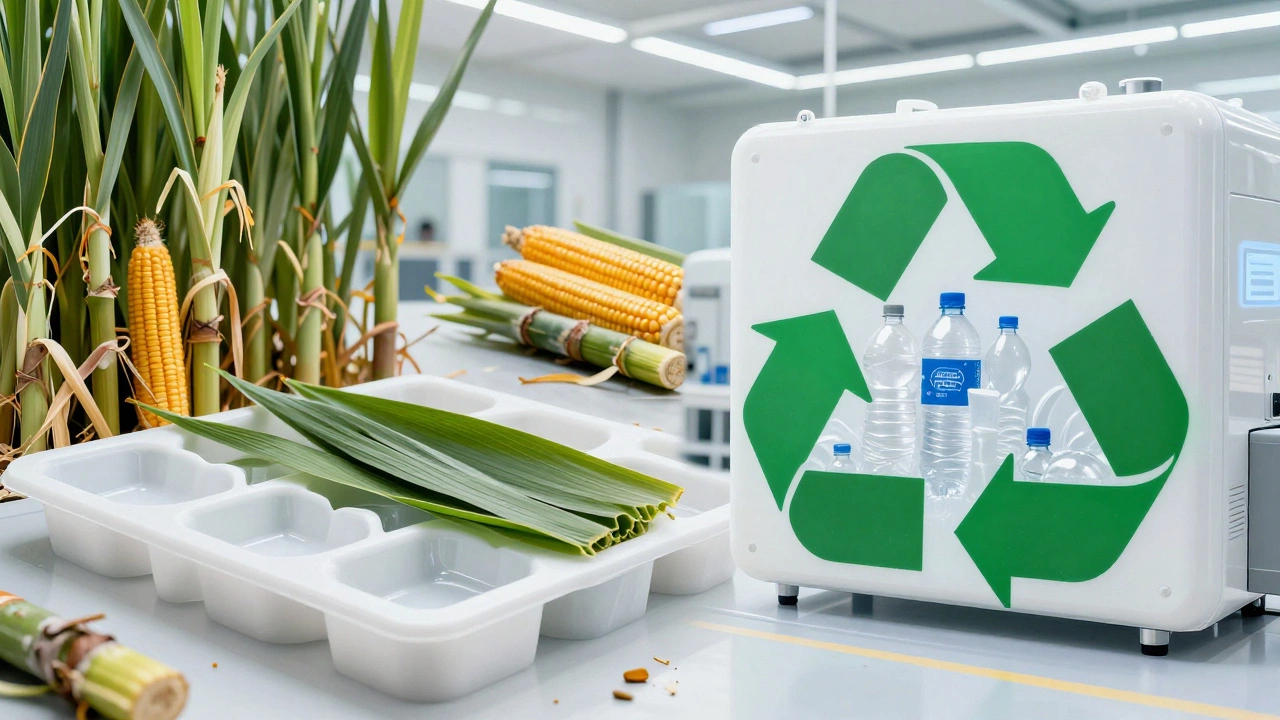
- Invest in Alternative Materials: Explore bioplastics made from corn starch, sugarcane, or algae. While not perfect, they offer a pathway to reduce reliance on fossil fuels.
- Implement Extended Producer Responsibility (EPR): Take ownership of your product’s entire lifecycle. Fund recycling programs and ensure that the plastic you sell doesn’t end up in the ocean.
In Bangalore, where I live, we’re seeing a rise in startups focused on circular economy solutions. They’re creating packaging from agricultural waste and developing new recycling technologies. This shows that innovation is happening. The question is whether established manufacturers will adapt or be left behind.
The Role of Policy and Infrastructure
Manufacturers can’t solve this alone. We need robust waste management infrastructure. In many parts of the world, recycling facilities are outdated or nonexistent. Without proper collection and sorting systems, even the best-intentioned recycling efforts fail. Policymakers must invest in this infrastructure and enforce bans on unnecessary single-use items.
Moreover, international cooperation is key. Plastic pollution doesn’t respect borders. A bottle thrown away in China can end up on the shores of Hawaii. Global agreements, like the ongoing negotiations for a Global Plastics Treaty, are essential to create standardized rules and hold producers accountable.
Conclusion: A Call to Action
The plastic that pollutes the ocean the most is largely driven by single-use items like PET bottles and PP packaging, compounded by the persistence of fishing gear. But this isn’t just an environmental issue; it’s a business imperative. The companies that thrive in the next decade will be those that embrace sustainability, innovate in material science, and take responsibility for their products’ end-of-life.
We have the technology. We have the awareness. What we need now is the will to change. Every piece of plastic produced today is a choice. Let’s choose wisely.
What is the most common plastic found in the ocean?
The most common plastic found in the ocean is Polyethylene Terephthalate (PET), primarily from beverage bottles. It is followed closely by Polypropylene (PP) from caps and food containers.
Why is fishing gear considered a major pollutant?
Fishing gear, made from durable nylon and polyamide, causes "ghost fishing." Lost or discarded nets continue to trap marine life for years, causing significant harm to ecosystems.
Can all plastics be recycled?
No. While some plastics like HDPE and PET are widely recyclable, others like Polystyrene (Styrofoam) and multi-layered packaging are rarely recycled due to technical and economic challenges.
What are microplastics and why are they dangerous?
Microplastics are tiny plastic particles (<5mm) that result from the breakdown of larger plastics. They are dangerous because they enter the food chain, accumulating toxins and potentially affecting human health.
How can plastic manufacturers reduce ocean pollution?
Manufacturers can reduce pollution by designing for recyclability, using mono-materials, investing in bioplastics, and implementing Extended Producer Responsibility (EPR) programs to manage waste.