Indian Textile Market Sourcing Advisor
Select your business priorities below to find the most suitable textile hub in India for your needs.
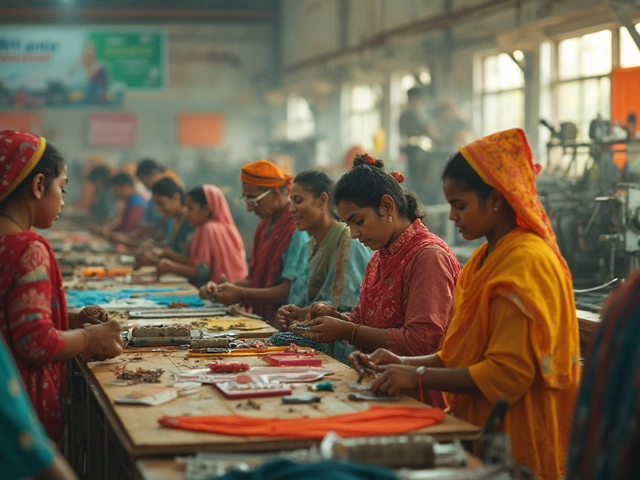
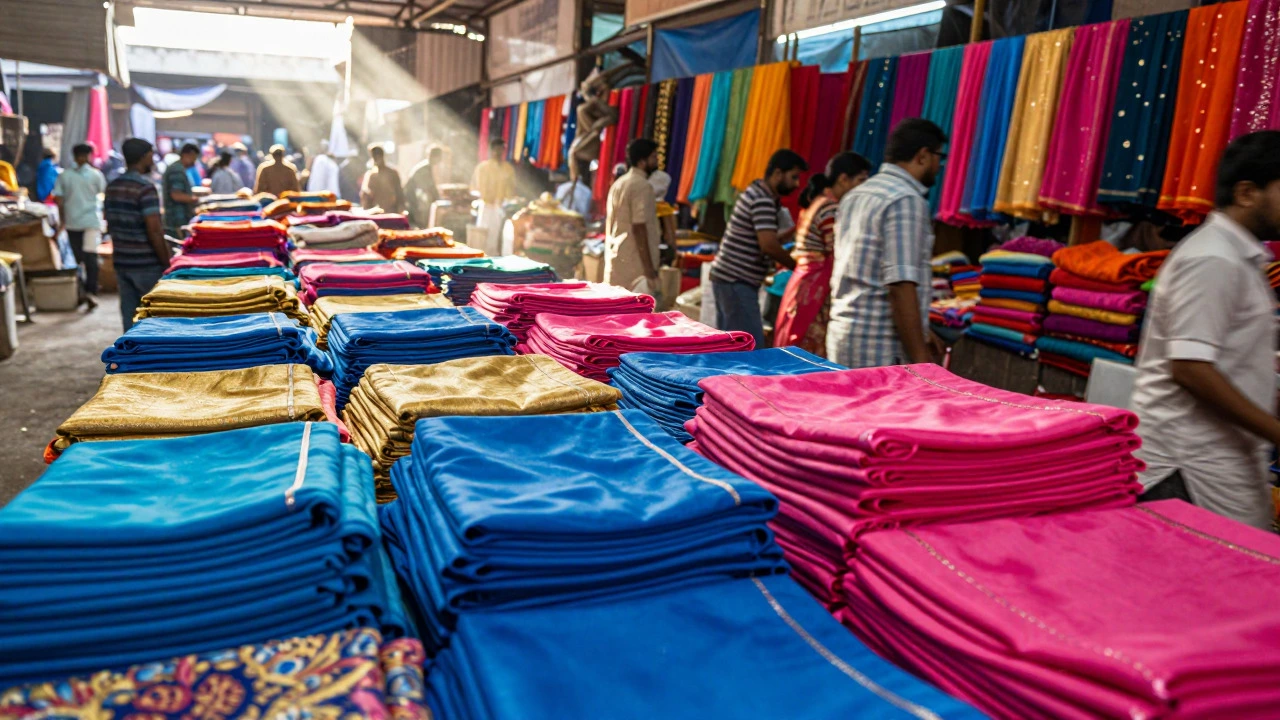
Imagine walking into a space so vast that you could fit an entire city block inside it. Now imagine that every square inch is packed with bolts of fabric, spools of thread, and finished garments ready for export or domestic sale. This isn’t a sci-fi movie set; this is the reality of India’s textile landscape. If you are looking for the largest textile wholesale market in India, you are likely standing on the edge of one of the world’s most dynamic supply chains.
The answer to "which is the largest" depends entirely on what you mean by "largest." Are we talking about physical floor space? The volume of cotton traded? Or perhaps the value of exports? In India, there isn't just one giant hub. Instead, we have specialized powerhouses that dominate specific segments of the industry. Surat rules the synthetic fiber game. Tirupur controls the knitwear export machine. Delhi holds the crown for diverse retail and wholesale variety. Understanding these distinctions is crucial if you want to source effectively without wasting time or money.
The Synthetic Giant: Surat’s Textile Ecosystem
If you measure size by production volume and the sheer number of looms operating under one roof, Surat takes the title. Often called the "Manchester of the East," Surat accounts for over 60% of India's man-made fabric (MMF) production. The market here isn't just a building; it's a sprawling district where thousands of small-scale manufacturers operate side-by-side.
The Ring Road Market in Surat is the heart of this operation. Here, you will find everything from raw yarn to finished sarees, dress materials, and home textiles. The scale is intimidating but efficient. Traders here deal in massive quantities. If you are looking for cheap, durable synthetic fabrics like georgette, chiffon, or satin, this is your destination. The prices are among the lowest in the country because the supply chain-from spinning to weaving to dyeing-is tightly integrated within the city limits.
However, Surat has its quirks. The focus is heavily on mass-market products. You won't find high-end luxury organic cottons here easily. The negotiation culture is intense, and margins are thin. For a buyer, this means you need to know your exact requirements before stepping onto the Ring Road. Walking around aimlessly can lead to confusion given the sheer density of shops selling similar-looking fabrics.
The Knitwear Capital: Tirupur’s Export Power
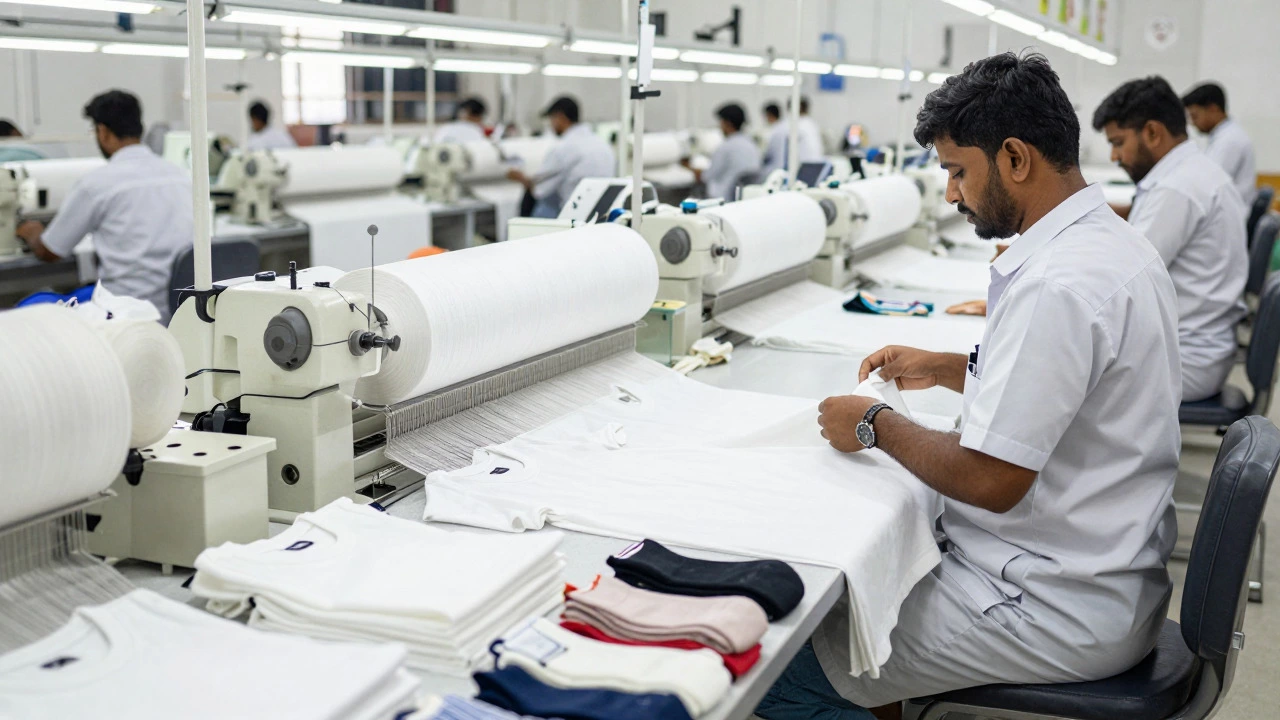
While Surat dominates woven synthetics, Tirupur is the undisputed king of knitwear. Located in Tamil Nadu, this cluster of towns forms one of the largest apparel manufacturing units in Asia. When global brands think of affordable, high-quality cotton T-shirts, they think of Tirupur.
The "market" in Tirupur is less about a central shopping complex and more about a network of factories and showrooms. The Tirupur Industrial Area houses thousands of units involved in knitting, dyeing, printing, and finishing. Unlike Surat, where you might buy raw fabric, in Tirupur, you often buy finished goods or place orders for custom manufacturing. The minimum order quantities (MOQs) can be higher, but the quality control standards are aligned with international buyers.
Tirupur’s strength lies in its specialization. It handles approximately 50% of India’s total knitwear exports. If your business model revolves around casual wear, activewear, or basics, this is the hub to explore. The infrastructure supports large-scale logistics, making it easier to ship containers directly to ports like Chennai. However, environmental regulations have tightened in recent years due to water usage concerns in dyeing processes, which can affect lead times and costs.
The Diverse Hub: Delhi’s Sadar Bazar and Nehru Place
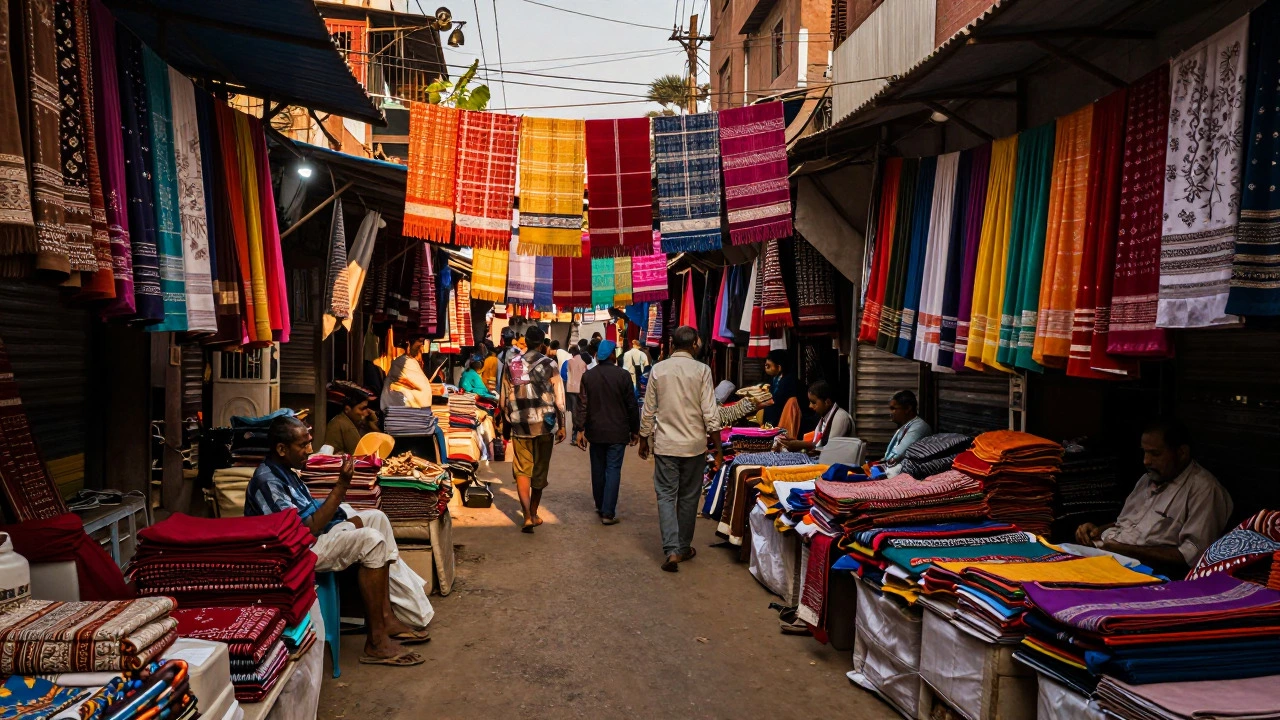
For those who need variety rather than specialization, Delhi offers a different kind of largeness. Sadar Bazar is not just a textile market; it is a wholesale universe. Within its labyrinthine lanes, you can find silk from Banaras, cotton from Maharashtra, and synthetic blends from Gujarat all under one chaotic yet organized roof.
The advantage of Delhi is accessibility and diversity. It acts as a redistribution center for North and West India. Retailers from smaller towns across Uttar Pradesh, Punjab, and Rajasthan source their stock here. The Nehru Place area also hosts significant textile trading, particularly for ethnic wear and wedding fabrics. If you are a boutique owner looking for a mix of traditional and contemporary designs without committing to massive bulk orders, Delhi is more flexible than Surat or Tirupur.
However, the prices in Delhi are generally higher than in the manufacturing hubs. You are paying for the convenience of access and the curation of styles. The logistics are excellent, with numerous transport agents facilitating daily dispatches to various parts of the country. But if cost per meter is your primary metric, you might find better deals closer to the source.
Other Key Players in the Indian Textile Map
While Surat, Tirupur, and Delhi are the titans, other regions play critical roles in the ecosystem. Understanding them helps you build a comprehensive sourcing strategy.
- Ludhiana: Known as the "Woolen Capital of India," Ludhiana in Punjab dominates the winter wear segment. From woolens to leather garments, this cluster supplies a significant portion of India’s cold-weather clothing. If you are planning for the festive season or winter collections, Ludhiana is essential.
- Banaras (Varanasi): The spiritual home of silk. While not the largest in terms of volume, Banaras is unmatched in the value and craftsmanship of handloom silk sarees. The Banaras Silk Market attracts buyers looking for premium, culturally significant textiles. The prices reflect the artisanal labor involved, making it a niche but high-value market.
- Mumbai (Bhuleshwar & Crawford Market): As the financial capital, Mumbai’s textile markets cater to high-fashion and export-oriented buyers. Bhuleshwar is famous for designer fabrics and readymade garments. It’s where trends are spotted before they hit the mass market. The volumes are lower, but the design innovation is high.
- Kolkata (Hatibagan): Historically significant for jute and cotton, Kolkata’s markets still hold relevance for traditional Bengali textiles and jute products. The Hatibagan Market is a key hub for wholesalers in Eastern India.
How to Choose the Right Market for Your Business
Selecting the right wholesale market isn't just about finding the biggest name. It’s about aligning the market’s strengths with your business needs. Here is a practical framework to help you decide.
| Market Location | Primary Specialization | Best For | Price Range | Minimum Order Quantity (MOQ) |
|---|---|---|---|---|
| Surat, Gujarat | Synthetic Fabrics (Polyester, Viscose) | Mass-market apparel, sarees, home textiles | Low | High (Bulk preferred) |
| Tirupur, Tamil Nadu | Knitwear (Cotton T-shirts, Hosiery) | Export brands, casual wear startups | Medium | Medium to High |
| Delhi (Sadar Bazar) | Diverse Mix (Silk, Cotton, Synthetics) | Retailers, boutiques, varied inventory needs | Medium | Low to Medium |
| Ludhiana, Punjab | Winter Wear (Woolens, Leather) | Seasonal collections, cold-weather gear | Medium | Medium |
| Banaras, UP | Handloom Silk Sarees | Premium ethnic wear, bridal collections | High | Low (Piece-wise possible) |
Consider your target audience. If you are selling affordable everyday clothes to a broad demographic, Surat’s low-cost synthetics are hard to beat. If you are targeting health-conscious consumers who prefer organic cotton, look towards Tirupur or even Coimbatore, which has a growing eco-friendly textile sector. For high-end fashion, Mumbai and Banaras offer the aesthetic depth that mass markets lack.
Logistics also play a role. Shipping from Surat to North India might take longer and cost more than shipping from Delhi. Factor in transportation costs when calculating your final landed price. Additionally, consider the reliability of suppliers. Established clusters like Tirupur have better mechanisms for quality assurance and dispute resolution compared to smaller, fragmented markets.
Navigating the Challenges of Wholesale Sourcing
Entering these markets can be overwhelming. The noise, the crowds, and the aggressive sales tactics can deter newcomers. Here are some tips to navigate the challenges.
- Do Your Homework: Before visiting, identify specific traders or factories. Use online directories and trade shows to shortlist potential partners. Don’t walk in blind.
- Understand Quality Grading: Fabric quality varies significantly even within the same market. Learn to distinguish between grades. Ask for samples and test them for shrinkage, colorfastness, and durability.
- Build Relationships: Trust is currency in these markets. Regular visits and consistent ordering build rapport, leading to better prices and priority service during peak seasons.
- Verify Credentials: Ensure suppliers are registered and compliant with labor and environmental laws. This reduces risk and ensures ethical sourcing, which is increasingly important for modern consumers.
- Use Local Agents: If you are new to a region, hiring a local buying agent can save time and prevent scams. They understand the local language, customs, and pricing norms.
The digital transformation is also changing how these markets operate. Many wholesalers now have online catalogs and accept digital payments. Platforms like IndiaMART and TradeIndia connect buyers with sellers across these hubs. However, physical inspection remains vital for textiles. Touch and feel the fabric before committing to large orders.
Future Trends Shaping Indian Textile Markets
The Indian textile industry is evolving rapidly. Sustainability is no longer a buzzword but a requirement. Buyers are demanding traceability and eco-friendly practices. Markets like Tirupur are investing in effluent treatment plants to meet global standards. Surat is exploring recycled polyester options.
Technology integration is another trend. Automated cutting machines, AI-driven demand forecasting, and blockchain for supply chain transparency are being adopted by larger players. Smaller traders are also leveraging social media and e-commerce to reach direct-to-consumer markets, bypassing traditional wholesale channels.
Government initiatives like the Production Linked Incentive (PLI) scheme are boosting capacity and encouraging modernization. This means higher quality and potentially lower costs in the long run. Keeping an eye on these policy changes can help you anticipate shifts in supply and pricing.
In summary, there is no single "largest" market that fits all needs. Surat leads in volume and synthetic variety. Tirupur dominates knitwear exports. Delhi offers unmatched diversity. By understanding the unique strengths of each hub, you can build a resilient and cost-effective sourcing strategy tailored to your business goals.
What is the best time to visit textile wholesale markets in India?
The best time to visit is usually after the monsoon season, around September to November, when new collections for the winter and festive seasons are launched. Avoid peak festival periods like Diwali, as markets may be crowded, and logistics can be delayed.
Can I buy single pieces from Surat’s wholesale markets?
Generally, no. Surat is a bulk-oriented market. Most traders expect minimum orders of 50-100 meters or more. For single pieces, you might need to visit retail sections within the market or use online platforms that aggregate surplus stock.
Is Tirupur suitable for beginners in the textile business?
It can be challenging due to higher MOQs and export-focused operations. Beginners might find Delhi’s Sadar Bazar or local regional markets more accessible for smaller quantities. However, if you have a clear brand vision and can handle larger volumes, Tirupur offers superior quality and consistency.
How do I verify the authenticity of silk in Banaras?
Look for the Geographical Indication (GI) tag on the product. Authentic Banarasi silk should have a distinct texture and weight. Buying from established dealers with good reputations and asking for certificates of authenticity can also help avoid counterfeits.
Are there online alternatives to visiting physical markets?
Yes, platforms like IndiaMART, TradeIndia, and Amazon Business allow you to connect with wholesalers from these markets. However, always request physical samples before placing large orders to ensure quality matches expectations.